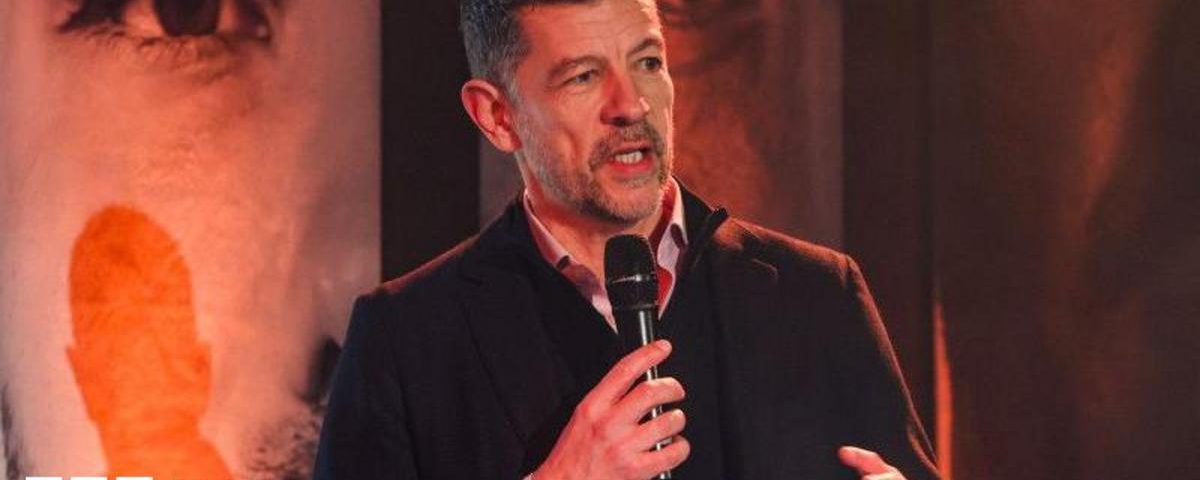
- Alex Williamson has been sacked following a lengthy inquiry into his conduct.
- This dismissal comes at a critical time for Scottish Rugby ahead of the Six Nations.
- Leadership changes can significantly impact team morale and performance.
- Historical precedents show mixed outcomes after similar dismissals.
- Future leadership will be crucial as Scottish Rugby seeks to regain its competitive edge.
Scottish Rugby has made the headlines as it announced the dismissal of its chief executive, Alex Williamson, following a comprehensive inquiry into his conduct over several months. This decision, made public on July 30, 2026, brings to light significant issues regarding leadership within the organization and its implications for the sport in Scotland. The inquiry’s nature has not been fully disclosed, but the timing raises eyebrows as the Six Nations tournament looms on the horizon.
Leadership in sports organizations is critical, particularly in rugby, where team dynamics can directly affect performance on the field. The decision to part ways with Williamson signals a desire for change amid challenges faced by Scottish Rugby in recent years. The organization, once a formidable force in international rugby, has struggled to maintain consistency in its performance, both in domestic leagues such as the United Rugby Championship and international competitions like the Six Nations.
Evaluating this situation through a historical lens reveals that such leadership shake-ups are not uncommon in rugby. Teams often undergo significant transformations in response to perceived mismanagement or failure to meet performance expectations. For instance, when the Rugby Football Union (RFU) sacked its chief executive following a disappointing World Cup campaign, the fallout was immediate. While the RFU ultimately found a more effective leader, it took time for the team to rebuild its reputation and performance levels.
Historical Context
The dismissal of a chief executive in rugby is not unprecedented. One notable example occurred in 2013 when the English Rugby Union parted ways with its CEO, following a series of disappointing results in the Six Nations. At that time, the RFU sought fresh leadership to rejuvenate a national side that had become stale. The subsequent hire of a new CEO brought about a shift in focus, leading to the introduction of new strategies that ultimately resulted in improved team performance.
In another instance, the Australian Rugby Union faced significant backlash in 2017 when it dismissed its chief executive amid a turbulent period for Australian rugby. The decision was met with mixed reactions; while some praised the move as necessary for accountability, others questioned the timing and the potential disruption it could cause to the team’s cohesion. Just like Scottish Rugby today, the ARU was preparing for a busy international calendar, highlighting the delicate balance between organizational management and on-field performance.
These historical precedents suggest that the outcomes following such dismissals are not always straightforward. Sometimes, new leadership can invigorate a struggling organization and foster a positive environment that inspires better performance. Other times, it can lead to instability, particularly if the new leadership lacks a clear vision or the support of the existing team.
Future Implications for Scottish Rugby
As Scottish Rugby moves forward without Williamson, the organization must be strategic in its search for a successor. The appointment of a new chief executive will be crucial, particularly as the Six Nations approaches. Fans and players alike will be watching closely to see how this leadership change impacts team morale and performance on the pitch.
In the world of rugby, the stakes are high, and leadership decisions can reverberate throughout the entire sport. A new CEO has the potential to reshape the culture and direction of Scottish Rugby, but it is essential that they bring both experience and a clear plan to restore faith in the organization. As history has shown, the path ahead can be fraught with challenges, and how Scottish Rugby navigates this transition will be pivotal in defining its future success.
The Six Nations is a critical tournament for Scotland, and with a new leader at the helm, expectations will be high. The new CEO must work closely with the coaching staff to ensure that their vision aligns with the team’s needs, particularly as they prepare to face off against formidable opponents like England and France. Whether this leadership transition will lead to a resurgence in Scottish rugby remains to be seen, but the organization’s decision to part ways with Williamson may ultimately be a turning point in its quest for success.
At the SNP editorial desk, we see this moment as more than just a routine leadership change; it’s a critical juncture for Scottish Rugby. The dismissal of Alex Williamson presents an opportunity for the organization to redefine its identity and purpose. The timing is particularly crucial, as the Six Nations approaches, and Scotland's performance will be under intense scrutiny.<br />
We believe that the next chief executive must prioritize transparency and collaboration within the organization. Past instances, like those of the RFU and ARU, highlight that the right leadership can lead to significant improvements, but it requires a shared vision that resonates with players, coaches, and fans alike. The stakes are high, and Scottish Rugby has the chance to turn a page and embark on a new chapter that could ultimately lead to more consistent success on the international stage.
Source: Scottish Rugby sacks chief executive Williamson after inquiry
Sports News Plus is a news aggregator. We do not own or claim rights to any images, videos, or source content featured on this site. All images and media are the property of their respective original owners and publishers. Article content is independently written based on publicly available news sources, which are credited and linked throughout. Full disclosure →