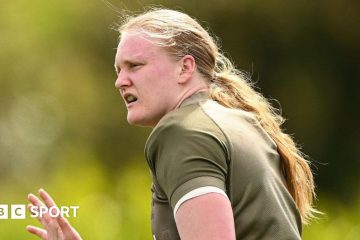
- The narrative around motherhood in rugby is evolving, leading to increased acceptance.
- Lark Atkin-Davies and Abbie Ward are influential figures in changing perceptions.
- Their experiences highlight the importance of support systems for athlete mothers.
- The impact of motherhood on training regimens and team dynamics is significant.
- This evolution may attract more women to the sport, enriching its future landscape.
Motherhood in rugby In a groundbreaking shift within the world of rugby, Lark Atkin-Davies and Abbie Ward, two of England’s Women’s Rugby World Cup winners, are reshaping the narrative surrounding motherhood in the sport. Published on April 17, 2026, these athletes have come forward to discuss their experiences as pregnant players and the support they’ve received from the rugby community. This shift in perspective is not only personal but could have lasting implications for the sport as a whole.
Traditionally, professional sports have possessed a rigid structure that often sidelines female athletes once they enter motherhood. However, Atkin-Davies and Ward, alongside other rugby professionals, are actively working to dismantle these barriers. Their openness about the challenges and triumphs of balancing motherhood with competitive sports is paving the way for a more inclusive environment in rugby.
The increasing visibility of athlete mothers in rugby coincides with a broader cultural shift toward recognizing the importance of family and work-life balance in professional sports. As rugby continues to evolve, the understanding of what it means to be an athlete and a mother is also changing. This not only enriches the narrative of individual players but can also influence the trajectory of the sport, particularly in events like the Six Nations and Super Rugby.
To further understand the strategic implications of this evolving narrative, we need to consider how motherhood affects the tactical dynamics within rugby teams. Pregnant players, while limited in their physical capabilities during pregnancy, bring a wealth of experience and leadership. This can be crucial during training sessions and matches, where their strategic insights can guide younger players.
Tactical Breakdown: The Role of Motherhood in Rugby Strategies
Motherhood in rugby doesn’t just change the narrative—it alters tactical approaches within teams. When considering formations and key battles, the presence of experienced players who have navigated motherhood can create a more nuanced understanding of game dynamics.
For instance, during the Six Nations, teams often rely heavily on their most experienced players to steer both on-field tactics and team morale. A player like Lark Atkin-Davies, despite being pregnant, can still contribute to discussions about formations and team strategies. Her understanding of player dynamics and psychological resilience can be invaluable.
As rugby evolves, teams will need to strategically integrate these experienced players, regardless of their physical game time. This could lead to innovative formations that allow for mentorship roles, thereby enriching the tactical landscape. Coaches may need to rethink how they structure training sessions and match strategies, emphasizing a balance of physical readiness and intellectual contributions.
The Future: A New Era for Women in Rugby
As more women athletes embrace motherhood, the rugby world stands at a crossroads. The evolution of motherhood in rugby is not just about individual stories; it represents a collective movement toward inclusivity and acceptance. The experiences shared by players like Atkin-Davies and Ward can inspire policy changes at the organizational level, encouraging rugby unions to adopt more family-friendly practices.
With the Women’s Rugby World Cup and other major tournaments on the horizon, the timing is perfect for this dialogue to gain momentum. As society increasingly recognizes the need for support systems for athlete mothers, the potential for growth in women’s rugby is immense. Teams may see a surge in interest from aspiring female athletes who previously felt sidelined by the idea of motherhood intersecting with professional sports.
This transformation could lead to a more diverse and dynamic rugby culture, fostering an environment where family and sport coexist harmoniously. Ultimately, as the narrative around motherhood in rugby continues to change, we can expect to see a broader impact, influencing everything from training methodologies and team dynamics to the overall perception of women’s sports.
In our view, the transformation of motherhood in rugby is not just a women's issue; it reflects a crucial evolution in the sports culture overall. By embracing the narratives of players like Atkin-Davies and Ward, we are witnessing a fundamental shift that could redefine the future of women's sports. As teams begin to adopt more inclusive policies, we could see a ripple effect across other sports as well, pushing for similar changes in environments that have historically marginalized athlete mothers.<br />
Moreover, the tactical implications of this change cannot be overstated. The ability of experienced mothers to mentor younger players and shape tactical discussions could redefine team dynamics. As these narratives gain traction, we might predict a new wave of strategic innovations in rugby that capitalize on the unique perspectives offered by these players. The future is not just about the athletes on the field; it's about the holistic development of the sport itself, which could ultimately lead to a richer, more diverse rugby landscape.
Source: 'Mums thank me for changing the narrative': How motherhood in rugby has evolved
Sports News Plus is a news aggregator. We do not own or claim rights to any images, videos, or source content featured on this site. All images and media are the property of their respective original owners and publishers. Article content is independently written based on publicly available news sources, which are credited and linked throughout. Full disclosure →