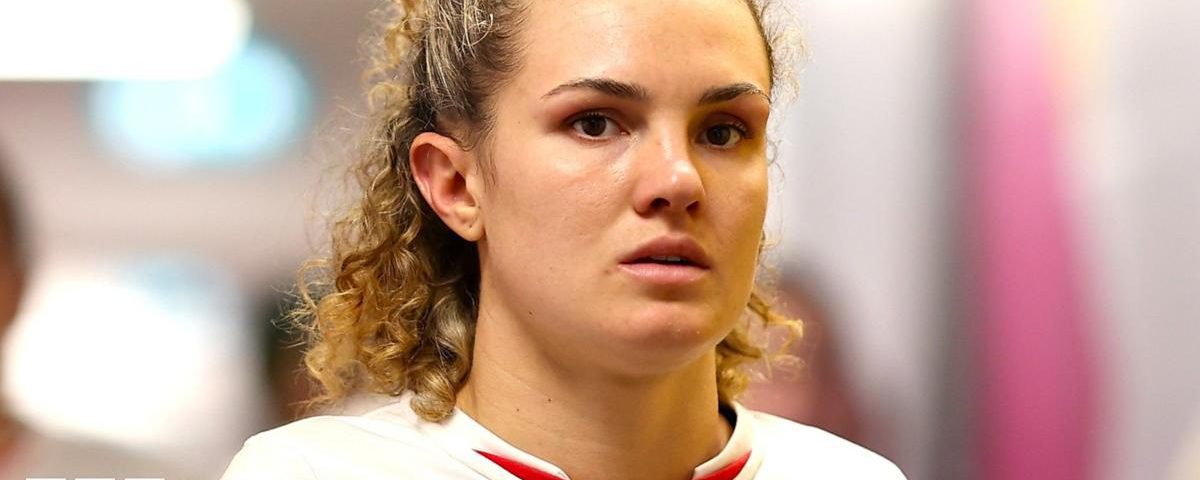
- Ellie Kildunne courageously shares her struggle with body dysmorphia and disordered eating.
- The issue of mental health in sports is gaining crucial attention, especially in rugby.
- Kildunne’s experience underscores the importance of athlete welfare and support systems.
- As the Six Nations approaches, mental resilience will be pivotal for teams.
- This revelation may inspire greater focus on mental health initiatives in rugby.
In a heartfelt revelation, England rugby star Ellie Kildunne has opened up about her battle with body dysmorphia and disordered eating during the coronavirus lockdown. The 23-year-old winger, who played a pivotal role in England’s triumph at the Women’s Rugby World Cup, shared her experiences on April 15, 2026, shedding light on the often-overlooked mental health struggles faced by athletes in high-pressure environments.
Body dysmorphia: What You Need to Know
Kildunne’s story is particularly poignant given the context of the pandemic, which transformed the lives of athletes worldwide. With training facilities closed and competitive play halted, many athletes found themselves grappling with their identities outside of their sport. Kildunne’s candid discussion about her mental health highlights a growing awareness within rugby, particularly as the sport prepares for the upcoming Six Nations tournament.
The issues surrounding body image and mental health are not new in the realm of sports, but they have gained increased visibility in recent years. Athletes are beginning to speak out, recognizing that their struggles are shared by many. Kildunne’s experience is a reminder of the importance of holistic athlete welfare, encompassing not just physical health but mental and emotional well-being as well.
The Six Nations is approaching, and mental resilience will be as critical as physical performance. Teams will need to assess not only their strategies on the field but also the mental states of their players. As Kildunne prepares for the competition, it will be crucial to support her and her teammates, fostering environments where open conversations about mental health can thrive.
In terms of tactics and formation, Kildunne’s return to the pitch will bolster England’s attacking options. Her speed and agility make her a constant threat on the wing, and her ability to break through defensive lines could be the key to unlocking tight matches. Within the strategic framework of the Six Nations, her presence will allow England to utilize a more dynamic style of play, potentially adopting a 1-3-3-1 formation that emphasizes forward momentum and quick transitions.
Analysis & Key Takeaways
Kildunne’s skill set is particularly valuable in high-pressure scenarios, such as the nail-biting moments of a crucial match against rival teams. With the Six Nations set to feature intense rivalries, the ability to score tries in tight situations will be paramount. Her past performances indicate that she can exploit defensive gaps, turning penalties into scoring opportunities for her team.
As the sport evolves, the importance of addressing mental health issues is becoming clear. Rugby has historically been a physically demanding sport with an emphasis on resilience and toughness. However, Kildunne’s struggle serves as a powerful reminder that mental strength is equally essential. The rugby community must continue to advocate for athlete welfare, ensuring that resources and support are readily available.
The narrative around mental health in rugby is changing, and Kildunne’s openness is a step towards normalizing these discussions. As fans and stakeholders rally around the upcoming Six Nations, there is an opportunity to embrace a culture that values athletes’ mental health as much as their physical prowess. The more athletes like Kildunne share their stories, the more the stigma surrounding mental health diminishes—paving the way for a supportive environment in which all athletes can thrive.
The forthcoming Six Nations will not only test teams’ physical abilities but also their mental fortitude. As we watch the matches unfold, we must also pay attention to the stories behind the athletes, recognizing the challenges they face off the field. Kildunne’s journey is just one example of the realities many athletes confront, reminding us that behind every try scored or penalty taken lies a human story that deserves compassion and understanding.
In conclusion, as rugby fans gear up for the Six Nations, let us honor athletes like Ellie Kildunne who break the silence around mental health issues. Their courage in sharing these experiences can inspire change, not just within rugby but across all sports, reinforcing that mental well-being is as crucial to success as physical training.
In our view, Ellie Kildunne’s revelation is not just a personal story; it reflects broader trends within professional sports, particularly in rugby. As we approach the Six Nations, we foresee a potential shift in how teams prioritize mental health alongside training regimens. This focus could lead to improved athlete performance, as mental strength is increasingly recognized as a vital component of competitive success.<br />
Moreover, Kildunne’s courage might encourage other athletes to come forward, further shaping a culture that supports mental health in sports. As fans, we should advocate for initiatives that promote mental well-being, recognizing that a well-rounded approach to athlete care can ultimately enhance the sport we love.
Source: World Cup winner Kildunne reveals body dysmorphia struggle
Sports News Plus is a news aggregator. We do not own or claim rights to any images, videos, or source content featured on this site. All images and media are the property of their respective original owners and publishers. Article content is independently written based on publicly available news sources, which are credited and linked throughout. Full disclosure →