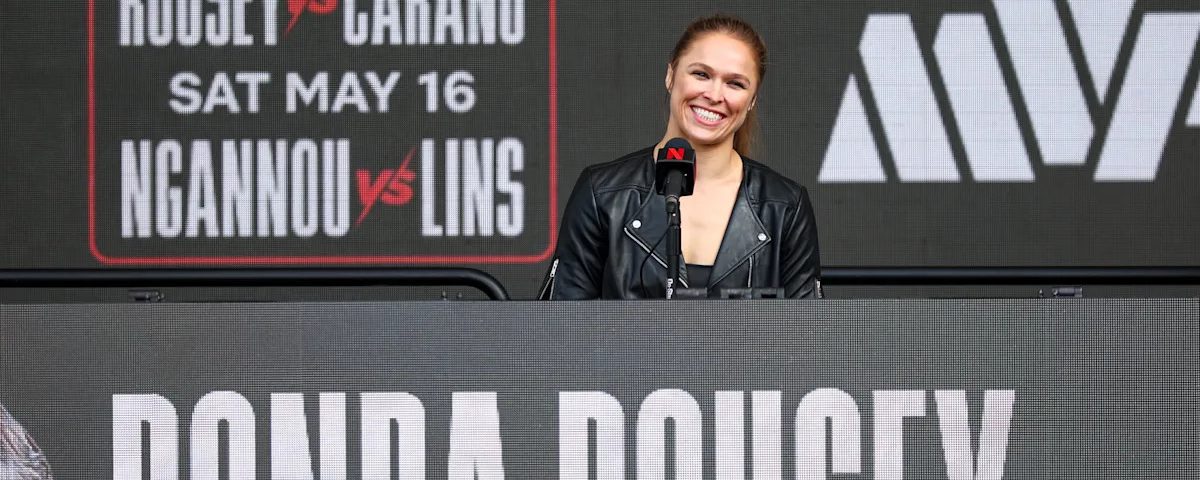
- Ronda Rousey claims the UFC has shifted from an anti-establishment ethos to mainstream acceptance.
- Her comments come amid rising concerns about fighter pay and promotional practices.
- The evolution of the UFC's business model has sparked debate on its impact on fighter autonomy.
- Rousey emphasizes the need for fighters to reclaim their voices within the organization.
- The future of MMA may hinge on how the UFC balances commercial success with fighter welfare.
In a striking commentary on the current state of mixed martial arts, Ronda Rousey has expressed her discontent with the UFC, stating that what was once an anti-establishment organization has evolved into a mainstream entity. This statement was made on April 3, 2026, highlighting the tension between the UFC’s commercial success and the original spirit of the sport that captivated audiences worldwide. Rousey’s perspective is particularly significant given her status as a former champion and one of the most recognizable faces in MMA history.
Rousey’s remarks come at a time when the UFC is facing increasing scrutiny over issues such as fighter pay, health care, and the overall treatment of athletes within the promotion. The UFC, which has positioned itself as the foremost authority in mixed martial arts, is now perceived by some as prioritizing profits over the welfare of its fighters. This sentiment resonates with many athletes who feel that the organization has shifted its focus toward entertainment value rather than the sport’s competitive integrity.
The UFC’s transformation into a mainstream establishment raises important questions about the sport’s future. As the organization continues to dominate the MMA landscape, the balance between financial success and the welfare of fighters becomes increasingly critical. Rousey’s comments serve as a rallying cry for fighters to reassess their roles within the organization and consider how they can reclaim their voices and agency in an environment that often feels more corporate than athletic.
The Evolution of the UFC: From Rebel to Establishment
The journey of the UFC from its inception to its current standing as a dominant force in sports is a fascinating one. Initially, the UFC was viewed as an underdog, challenging traditional combat sports and offering fans raw, unscripted action. This anti-establishment ethos appealed to those who sought authenticity and a break from the conventional.
However, as the UFC has grown, so too has its need to cater to mainstream audiences and corporate sponsors. This shift has sparked a debate about the authenticity of the sport. Many longtime fans and fighters alike feel that the organization has compromised its values in pursuit of marketability. Key aspects of MMA, such as raw competition and the spirit of martial arts, seem overshadowed by glitzy promotions and lucrative pay-per-view events.
Rousey’s critique is a reflection of concerns shared by many within the MMA community. The once-celebrated fighter is now calling attention to the potential loss of individuality and spirit in a sport that thrives on personal stories and fierce competition. The balance between entertainment and authenticity is delicate, and the UFC’s current direction may jeopardize the very elements that made it a revolutionary force in sports.
Tactical Breakdown: The Impact of Rousey’s Critique
Ronda Rousey’s critique of the UFC also has a tactical dimension that warrants examination. Her comments touch upon the strategic implications of what this shift in the organization’s ethos means for fighters and the sport itself. The traditional model of athlete promotion, which often emphasized individual fighter narratives and personal development, is at risk in a more corporate-driven environment that prioritizes sensationalism.
One key battle front is the conversation surrounding fighter pay and conditions. When fighters no longer feel valued or heard, it creates a rift between the organization and the athletes who form its backbone. In essence, if the UFC continues to operate in a way that prioritizes profits over fighters, it risks alienating its talent pool. This could lead to a decline in the quality of fights, as fighters who feel undervalued may not perform at their best.
Further, the loss of the anti-establishment ethos could impact how new athletes view the UFC as a career path. If the promotion is seen as a corporate machine rather than a sanctuary for combat sports, emerging talents might seek alternative routes to prominence in MMA or even other combat sports. The potential for a shift in talent dynamics could reshape the competitive landscape of MMA.
In essence, Rousey’s insights prompt a larger discussion about the future of the UFC and MMA as a whole. As fighters navigate this changing landscape, they must consider how they can assert their influence and ensure that the focus remains on the sport and its athletes, rather than solely on commercial interests.
As we reflect on Ronda Rousey's comments and the state of the UFC, it's clear that we stand at a crossroads in mixed martial arts. The ongoing tension between commercial success and the welfare of fighters is not just a passing concern; it’s a pivotal issue that could redefine the sport's identity. Should the UFC continue to prioritize its growth and mainstream appeal, we may see a divergence in the type of talent it attracts—shifting from passionate fighters to those driven solely by financial success.<br />
Moreover, Rousey's call for fighters to reclaim their voices is an invitation for a collective reassessment of their roles within the sport. It raises important considerations about unionization and collective bargaining, which could fundamentally alter the power dynamics between fighters and the promotion. As we look ahead, it will be fascinating to see if this conversation sparks a movement towards greater equity and transparency in the UFC.<br />
In the end, the future of MMA depends not only on the UFC’s business model but also on the courage of fighters to advocate for their rights and the integrity of the sport. The balance of power is shifting, and how this plays out will determine the trajectory of mixed martial arts for years to come.
Source: Ronda Rousey says the UFC ‘used to be anti-establishment, and now it’s become the establishment’
Sports News Plus is a news aggregator. We do not own or claim rights to any images, videos, or source content featured on this site. All images and media are the property of their respective original owners and publishers. Article content is independently written based on publicly available news sources, which are credited and linked throughout. Full disclosure →