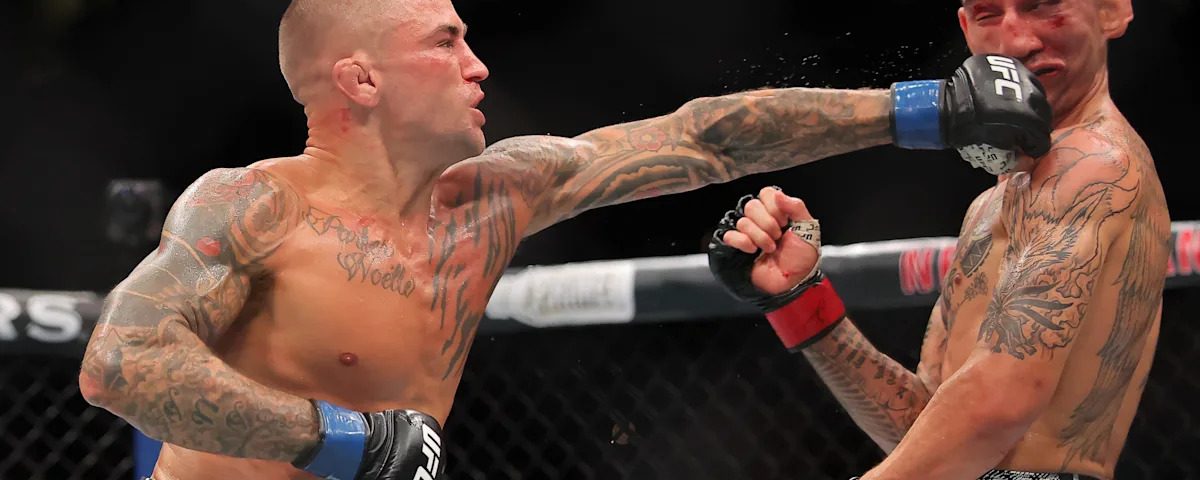
- Dustin Poirier is currently unable to pursue boxing due to his UFC contract.
- His situation reflects broader issues regarding fighter contracts in MMA.
- Fans are eager to see Poirier in new combat sports but face uncertainty.
- Upcoming UFC events might be impacted by Poirier's decision-making.
- The future of combat sports could see shifts in fighter mobility and opportunities.
Dustin Poirier, a celebrated name in mixed martial arts, finds himself at a crossroads with his UFC contract, which is preventing him from pursuing his interest in boxing. The former interim UFC Lightweight Champion made headlines recently, expressing his frustrations about being “stuck in purgatory” while wanting to explore other combat sports opportunities. The situation raises critical questions not just about Poirier, but also the nature of fighter contracts within the UFC and the implications for the sport as a whole.
As a prominent figure in MMA, Poirier’s achievements in the Octagon are well-documented. He has delivered impressive fight results, including notable knockouts and hard-fought submissions that have captivated fans across the globe. However, this latest development underscores a significant hurdle that many fighters face: the constraints imposed by their contractual obligations with organizations like the UFC.
The world of combat sports has been shifting rapidly, with boxing and MMA increasingly intersecting. Fighters from both disciplines are now eyeing opportunities in each other’s arenas. Poirier’s desire to take a swing at boxing isn’t just personal; it reflects a growing trend among fighters seeking to diversify their careers and income streams. Yet, his current UFC contract stands as a formidable barrier, one that highlights the complexities of fighter rights and freedoms.
Understanding the Contractual Landscape
Contracts in the UFC often come with lengthy terms and restrictive clauses, effectively binding fighters to the organization for extended periods. This practice can stifle a fighter’s exploration of other opportunities, such as participating in boxing events or exhibitions. For Poirier, this is more than just a career choice; it’s about reclaiming agency over his professional life.
As fans, we can empathize with Poirier’s frustrations. The UFC has built its reputation on a culture of competition, yet it simultaneously restricts its athletes from exploring lucrative opportunities elsewhere. This restriction not only limits the fighters’ potential earnings but also diminishes the excitement fans experience from seeing their favorite athletes compete in various formats.
The implications of Poirier’s situation extend beyond his personal career. Should he remain tied to the UFC, it raises questions about upcoming fixtures and events. For instance, Poirier was expected to be a marquee name in future UFC events, but his inactivity could lead to shifts in matchmaking and fan expectations. The lightweight division, already saturated with talent, could see a reshuffle that might impact rankings and title shots.
What Happens Next for Poirier and MMA?
Looking forward, the question remains: what’s next for Poirier? If he continues to be constrained by his UFC contract, he may have to endure a lengthy wait before he can explore opportunities in boxing or other combat sports. Such a scenario could lead to frustrations not only for Poirier but also for fans who are eager to see him in action again.
Moreover, Poirier’s predicament can serve as a catalyst for change within the MMA landscape. As more fighters voice their desires for autonomy, this could lead to negotiations that favor increased mobility and flexibility in contracts. If Poirier chooses to speak out more boldly against such constraints, it may inspire a movement for reform that could redefine the fighter experience in the UFC and beyond.
In the meantime, the UFC must navigate its own brand image while balancing the needs of its fighters. As the organization continues to host exciting events, they must consider how they can empower their athletes rather than restrict them. With fan engagement and fighter satisfaction at play, the UFC’s approach to contracts will likely come under scrutiny.
In closing, Dustin Poirier’s interest in boxing amidst his UFC contractual obligations is a microcosm of a larger issue in the sport. It reflects how the current system can confine talented athletes, limiting their potential and the excitement they bring to fans. As we look ahead, changes in the contractual landscape may be on the horizon, potentially ushering in a new era for MMA fighters seeking broader opportunities.
From our perspective, Poirier's situation is emblematic of a larger tension in the world of combat sports. While the UFC has established itself as a dominant force in MMA, its restrictive contracts have become a contentious point among fighters and fans alike. We believe that the future of MMA may hinge on how organizations adapt to the evolving landscape of fighter autonomy.<br />
If Poirier's case gains traction, it could lead to increased pressure on the UFC to rethink its contractual practices. This shift may not only benefit fighters like Poirier but could also foster a more dynamic and engaging environment for fans. The intersection of boxing and MMA could become more common, allowing fighters to capitalize on their skills across platforms—if only they are allowed the freedom to do so.
Source: Dustin Poirier interested in boxing, but 'stuck in purgatory' with UFC
Sports News Plus is a news aggregator. We do not own or claim rights to any images, videos, or source content featured on this site. All images and media are the property of their respective original owners and publishers. Article content is independently written based on publicly available news sources, which are credited and linked throughout. Full disclosure →