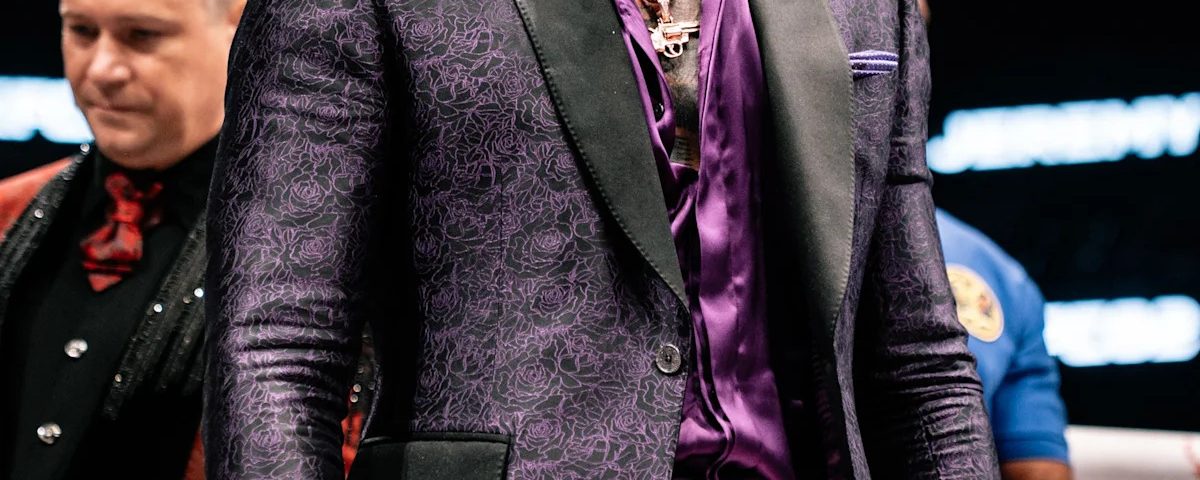
- Chael Sonnen asserts that Conor McGregor is unlikely to fight Max Holloway.
- The UFC welterweight division is brimming with top contenders eager for a shot.
- Historical precedents show that returning fighters often seek high-stakes matchups.
- The outcome of McGregor's next fight could redefine his legacy.
- Fans should anticipate potential matchups that could lead to thrilling fight results.
In a recent statement, UFC analyst Chael Sonnen declared that Conor McGregor “for sure” won’t be fighting Max Holloway in his anticipated return, sparking fresh discussions about the future of the notorious fighter. McGregor, a two-division champion, is exploring his comeback at welterweight, but Sonnen’s insight suggests a shift towards more formidable opponents. This revelation comes in the wake of ongoing speculation about McGregor’s next move and the potential landscape of the UFC welterweight division.
Historically, returning fighters like McGregor tend to aim high, often targeting elite competition. Whether motivated by legacy, financial incentives, or the desire to reclaim glory, their actions can alter the trajectory of their careers and the divisions they inhabit. The UFC is known for its dynamic matchups, and the stakes are high for McGregor, who has been absent from the Octagon for an extended period.
The welterweight division currently boasts a plethora of talent, with fighters like Kamaru Usman, Leon Edwards, and Colby Covington looming large. Should McGregor opt for a top-tier opponent rather than a familiar face like Holloway, the implications could be monumental. A high-stakes bout could either reinvigorate his career or signal a downturn, depending on the fight result, whether it be a knockout or submission.
Historical Context: A Pattern of High-Stakes Returns
To understand the potential implications of McGregor’s choices, it’s essential to examine similar scenarios in UFC history. Notably, when former champions like Anderson Silva and Georges St-Pierre made their comebacks, they often faced top contenders. Silva, for instance, fought Michael Bisping upon his return, and although he lost, the fight drew massive attention and solidified his legacy as a warrior willing to face the best.
Similarly, St-Pierre’s return against Michael Bisping for the middleweight title in 2017 showcased the former champion’s ability to rise to the occasion, leading to a submission victory that enhanced his already storied career. These historical parallels illustrate a consistent trend: returning fighters often seek the spotlight against premier opponents, which can yield lucrative bouts that captivate fans and re-establish reputations.
However, not every comeback follows this template. Fighters like Frankie Edgar, upon their returns, sometimes opted for less daunting opponents, focusing on reclaiming form before challenging the elite. This strategic move allowed them to regain confidence and stamina, but it also raised questions about their competitiveness at the highest level.
As we look to the future, McGregor’s choice will be scrutinized. A fight against a top welterweight would not only be a test of his skills but also a reflection of his ambitions. Should he choose a high-risk, high-reward matchup, it could yield either a triumphant return or a sobering reality check, akin to the experiences of legends before him.
The Future of Conor McGregor in the UFC
What lies ahead for McGregor remains uncertain, but the pressures of the UFC and the expectations of fans make it clear that he must make a significant impact upon his return. The buzz around potential matchups, including fights with welterweights like Usman or Covington, indicates that McGregor’s path will be anything but mundane. Each potential fight presents unique challenges, but they also offer him the chance to craft a comeback story that could rival his initial ascent to stardom.
The stakes couldn’t be higher, and history suggests that McGregor’s choice will define not just his future but the landscape of the welterweight division. Should he experience a victorious return, it could mean a title shot isn’t far behind, reigniting his reign as a top-tier fighter. Conversely, if he faces defeat, it may prompt serious introspection about his place in the sport.
As we anticipate McGregor’s next move, one thing is certain: the UFC’s welterweight division is poised for a shake-up, and the ramifications of McGregor’s choices will echo throughout the sport.
We believe the excitement surrounding Conor McGregor's potential return could overshadow the realities of what a comeback entails. While Sonnen's assertion about McGregor avoiding Holloway might seem prudent, the UFC's matchmaking is notoriously unpredictable. If history teaches us anything, it is that fighters often take on challenges that define their legacies.<br />
McGregor has always been a showman and a risk-taker, suggesting that he may not shy away from a fight against a top-tier opponent. Fans should prepare for an unpredictable next chapter, as McGregor's decision will undoubtedly influence other fighters' trajectories and the dynamics within the welterweight division. It’s a thrilling time for the UFC, and we anticipate that McGregor’s return will be nothing short of dramatic.
Source: UFC analyst says Conor McGregor 'for sure' won't fight Max Holloway
Sports News Plus is a news aggregator. We do not own or claim rights to any images, videos, or source content featured on this site. All images and media are the property of their respective original owners and publishers. Article content is independently written based on publicly available news sources, which are credited and linked throughout. Full disclosure →