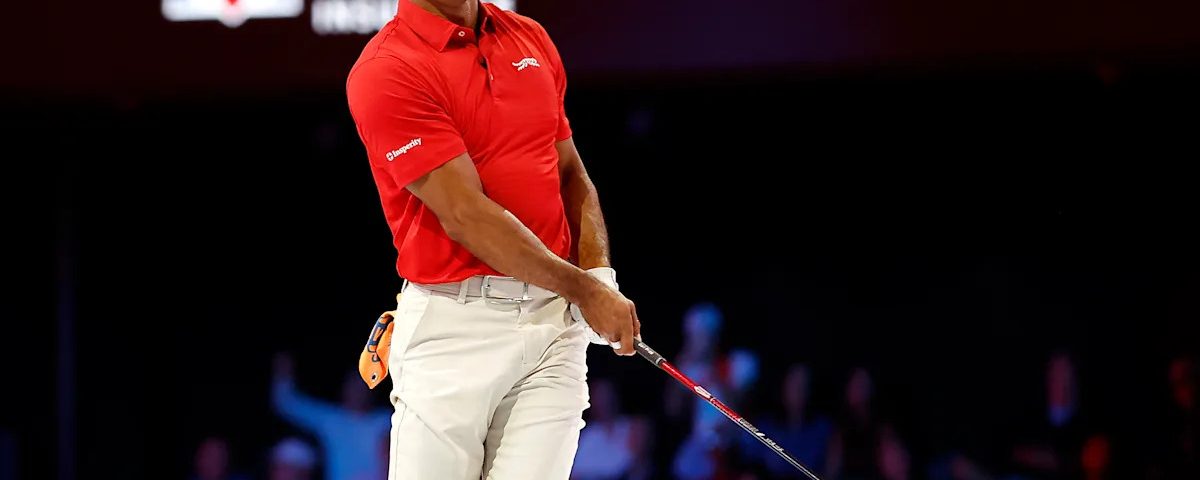
- Tiger Woods made a much-anticipated return to competitive golf during the TGL championship.
- Despite his performance, Woods' team fell short in the championship.
- Uncertainty looms over Woods' future involvement in the PGA Tour.
- His return signifies a potential shift in the landscape of professional golf.
- Fans and analysts are eager to see how Woods will adapt moving forward.
Tiger Woods made headlines on Tuesday night by returning to competitive golf for the first time in an extended period. This comeback occurred during the TGL championship held at the innovative venue in Los Angeles, where fans eagerly gathered to witness the legend’s performance. Despite his much-anticipated return, Woods and his team were unable to clinch victory, leaving many to ponder what this means for his future in the sport.
Woods’ performance at the TGL championship, while not leading to a victory, marked a significant moment in his career. Fans were excited to see him back on the leaderboard, even if it was not in the traditional PGA Tour format. The TGL, which combines high-tech elements with competitive play, offered a platform that diverged from the classic golf experience. However, his team’s inability to secure a win raised questions and concerns about Woods’ competitive edge and overall fitness.
As Woods steps back into the arena, the scrutiny regarding his physical condition and competitive readiness has intensified. Injuries have plagued his career over the last few years, and while he has shown resilience, the real test lies in his capacity to maintain form through the grueling demands of the PGA Tour. His return comes at a time when the landscape of professional golf is rapidly evolving, and his presence could shift dynamics among fellow competitors.
The Tactical Breakdown: Analyzing Woods’ Return and Team Dynamics
To fully appreciate Woods’ return to competitive play, it is crucial to examine the tactical dimensions of the TGL championship and the strategies employed by his team. In this format, players typically compete in match-play scenarios, which differ from stroke play commonly seen on the PGA Tour. This format requires precise execution and adaptability, and Woods’ experience is invaluable in high-pressure situations.
Key battles unfolded throughout the championship, particularly in how Woods navigated challenging shots and managed his team’s collective strategy. The TGL places a strong emphasis on teamwork, which means individual performances are pivotal but must synchronize with the overall strategy. Woods’ leadership and decision-making under pressure could have served as an asset; however, the team’s overall positioning fell short of expectations.
Moreover, Woods faced significant competition from younger, more agile players who are becoming increasingly dominant in the sport. This challenge is not just physical but tactical as well. Woods’ approach to the game—characterized by meticulous course management and shot selection—was evident. Yet, as the championship progressed, it highlighted a tactical gap that his team could not bridge, demonstrating that while experience is crucial, it must be complemented by current form and fitness.
The Future: Woods’ Role and the Evolving Landscape of Golf
Looking ahead, Woods’ future in competitive golf remains uncertain. The PGA Tour is known for its demanding pace and rigorous schedule, which could pose challenges for Woods, especially given his history of injuries. While his return at the TGL championship is a promising sign, the question remains: can he maintain the consistency required to compete at the highest level?
Analysts speculate that Woods may choose to selectively participate in events, focusing on major championships where his experience can shine amidst the competition. His return could influence younger players, pushing them to elevate their game while simultaneously reinvigorating interest among fans who have long admired his career.
Woods’ presence in the golf scene also emphasizes the growing importance of strategic partnerships and team dynamics in modern professional golf. As the sport continues to evolve, the ability to adapt to new formats and styles of play will be crucial for both veterans and newcomers. The TGL may serve as a testing ground for these adaptations, shaping how golf is played and consumed in the future.
In our view, Woods’ return is not just a personal comeback but a pivotal moment for the PGA Tour and professional golf as a whole. The blend of traditional and innovative formats like TGL signals a shift that could redefine competitive play. While Woods did not emerge victorious this time, his participation may rejuvenate interest in the sport, drawing in a younger audience and keeping established fans engaged.<br />
We anticipate that Woods will likely face a mix of opportunities and challenges as he navigates his comeback. The scrutiny on his physical condition will continue, but if he can harness the right strategies and maintain his competitive spirit, there is potential for a remarkable resurgence. The overarching narrative of his legacy could very well depend on how he adapts to the changing landscape of golf in the coming years.
Source: Tiger Woods returns to competitive golf, but his team loses TGL championship
Sports News Plus is a news aggregator. We do not own or claim rights to any images, videos, or source content featured on this site. All images and media are the property of their respective original owners and publishers. Article content is independently written based on publicly available news sources, which are credited and linked throughout. Full disclosure →