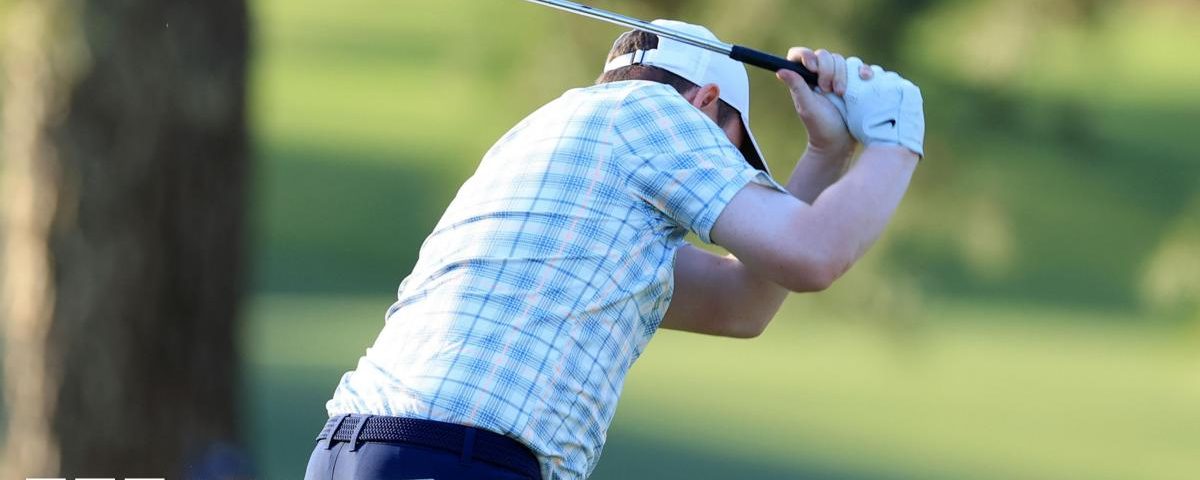
- Robert MacIntyre's emotional reaction during the Masters could lead to disciplinary action.
- His quadruple bogey at the 15th green marks a significant downturn in his performance.
- The incident spotlights the mental challenges players face during major championships.
- MacIntyre's current scoring average on the PGA Tour reflects struggles under pressure.
- Fans and analysts alike will be watching how he rebounds in future tournaments.
Masters gesture Robert MacIntyre, the talented golfer from Scotland, has found himself at the center of controversy during the 2026 Masters Tournament at Augusta National Golf Club. On April 10, during the pivotal moments of his round, MacIntyre made an angry gesture at the 15th green after succumbing to a quadruple bogey, drawing the ire of officials and fans alike. This incident not only highlights the pressures that come with competing in a major championship but also raises questions about the impact of mental fortitude in high-stakes situations.
While MacIntyre has shown flashes of brilliance in his career, he now faces potential disciplinary action from the PGA Tour. The emotional display may be interpreted as unsportsmanlike conduct, a serious issue at such a prestigious event. The Masters is not just a golf tournament; it represents the pinnacle of achievement in the sport, attracting the best players from around the world and capturing the attention of millions.
As we analyze MacIntyre’s performance, it’s essential to consider the broader context of his struggles. During the 2026 season, his scoring average has been a point of concern. While the average PGA Tour player hovers around 70 strokes per round, MacIntyre has found his numbers slipping, particularly in high-pressure situations such as major championships. This pattern of play raises doubts about his ability to handle the mental demands of the sport, especially at venues like Augusta that are known for their challenging layouts.
The Pressure of Major Championships
Participating in a major championship is unlike any other event on the PGA Tour. The level of scrutiny is immense, and the stakes are higher than in regular tournaments. For players like MacIntyre, who may not have the same level of experience in such settings, the pressure can lead to critical mistakes.
Historically, players who manage to keep their composure under pressure tend to perform better. For example, the top 10 ranked players on the PGA Tour have an average win rate of approximately 20% in major championships, while others struggle to break into the top 20. MacIntyre’s emotional outburst is a reminder that even the most talented players can falter when the mental aspect of the game becomes overwhelming.
The leaderboard at the Masters is a reflection of where players stand, but it also serves as a litmus test for their resilience. MacIntyre’s reaction is not just about one bad hole; it encapsulates the trials faced by many athletes in the sport. As fans, we are often captivated by the artistry of a well-executed shot, yet we must also recognize the human element of the game — the frustrations, the highs, and the lows.
By the Numbers: Contextualizing MacIntyre’s Performance
To better understand MacIntyre’s current state, let’s delve into the numbers that define his journey on the PGA Tour. As of this season, MacIntyre’s win rate stands at roughly 5%, significantly lower than the tour’s elite competitors. In comparison, players like Scottie Scheffler and Jon Rahm boast win rates that exceed 20%, illustrating the gap between the upper echelon of the sport and those still striving to reach their potential.
Moreover, MacIntyre’s scoring average this season is approximately 72.3, slightly above the tour average. This statistic highlights his struggles to consistently break par, especially during crucial rounds in major championships, where maintaining a lower score can be vital for success. The key benchmarks for aspiring golfers often include shooting under par at least 60% of the time in major tournaments, a feat that MacIntyre is yet to achieve.
The incident at the Masters not only puts MacIntyre’s performance under the microscope but also serves as an opportunity for growth. Many players have experienced similar difficulties early in their careers, only to rebound stronger. Golf is a game of patience and resilience, and how MacIntyre responds to this setback could define his trajectory moving forward.
The golf community will undoubtedly be watching closely as MacIntyre contemplates his next steps, both in terms of potential disciplinary action and his ongoing performance on the PGA Tour. As he navigates this challenging period, the support from fans and peers could play a significant role in his ability to bounce back from adversity.
In our view, the Masters incident involving Robert MacIntyre is a pivotal moment in his career. As he grapples with the implications of his actions, we believe it may serve as a galvanizing point. Athletes often find their true character in moments of adversity, and this could be the catalyst for MacIntyre to reassess his mindset and approach to pressure situations.<br />
Moreover, the scrutiny he faces in the wake of this incident could ultimately enhance his resilience. History shows that many golfers who have encountered similar challenges have emerged more determined, using their experiences to fuel future successes. As the season unfolds, we anticipate that MacIntyre's ability to regroup will be closely monitored, making his next appearances a critical focus for fans and analysts alike.
Source: MacIntyre could face action after angry Masters gesture
Sports News Plus is a news aggregator. We do not own or claim rights to any images, videos, or source content featured on this site. All images and media are the property of their respective original owners and publishers. Article content is independently written based on publicly available news sources, which are credited and linked throughout. Full disclosure →