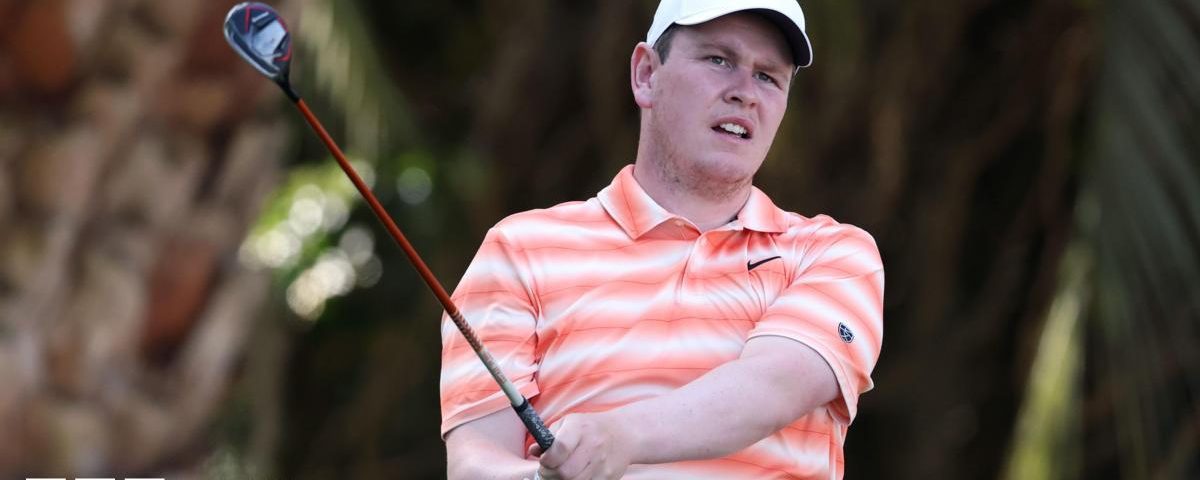
- Robert MacIntyre is facing backlash over his emotional display at the Masters.
- He emphasizes that he is working to manage his emotions moving forward.
- The criticism could influence his performance in upcoming PGA Tour events.
- Fan expectations are rising as they anticipate how MacIntyre will respond.
- His emotional management will be crucial for his standings in future major championships.
PGA Tour Robert MacIntyre, the promising Scottish golfer, has recently found himself at the center of controversy following his performance at the Masters. During the prestigious major championship held at Augusta National, MacIntyre’s emotional reactions drew criticism from fans and pundits alike. Speaking out on April 17, 2026, he asserted that he is not fazed by the backlash and is actively working to maintain a better grip on his emotions as he heads into future competitions on the PGA Tour.
PGA Tour: What You Need to Know
The Masters is a defining moment for any golfer’s career, often shaping their trajectory for the rest of the season. For MacIntyre, who has been making significant strides on the PGA Tour, this criticism comes at a crucial juncture. Emotional displays can be a double-edged sword. While they can express passion and intensity, they can also distract and hinder performance if not managed effectively. MacIntyre’s insistence that he remains unfazed is commendable, but the reality is that how he handles this pressure will be closely scrutinized in the coming weeks.
As the PGA Tour schedule unfolds, MacIntyre’s emotional management will become increasingly relevant, especially as he prepares for a series of upcoming tournaments. The Wells Fargo Championship and the PGA Championship are on the horizon, both offering opportunities for redemption and further recognition. Given the high stakes, his ability to navigate public scrutiny while competing will be paramount.
In the world of professional golf, maintaining composure is essential. The mental game is just as important as technical skill, especially in high-pressure situations. MacIntyre’s past performances have shown his potential to climb the leaderboard, but critics will be watching closely to see if he can balance his passion with the poise that top competitors exhibit.
Analysis & Key Takeaways
The implications of this situation extend beyond just MacIntyre’s personal growth. The fanbase is eager to see how he responds, and expectations will undoubtedly rise if he can channel his emotions positively. A few good performances could bolster not only his confidence but also his standing in the PGA Tour rankings. Failure to manage his emotions, however, could lead to missed opportunities, especially in the major championships that are crucial for any golfer’s legacy.
As we look ahead, MacIntyre’s journey will serve as a case study in emotional resilience and performance psychology in golf. His ability to adapt and evolve in response to criticism will be essential not just for his career, but also for his relationship with fans and the golf community at large.
What happens next will be critical. Upcoming fixtures such as the Wells Fargo Championship and the PGA Championship could either elevate MacIntyre’s profile or deepen the scrutiny he faces. A strong showing at these events could shift the narrative from criticism to admiration, while a lackluster performance might reinforce doubts about his temperament under pressure. Moreover, how he finishes these tournaments could impact his selection for future events, including Ryder Cup considerations, which are often influenced by current form and mental fortitude.
The leaderboard is a relentless indicator of success in the PGA Tour. MacIntyre’s position in upcoming events could shape not only his immediate future but also how he is perceived in the long term. The golf world is watching closely, and as he prepares for these pivotal tournaments, the pressure will be on him to prove that he can thrive in the spotlight, both on and off the course.
In conclusion, Robert MacIntyre’s battle with critics following his Masters experience presents a fascinating narrative of emotional management in professional sports. How he navigates this chapter of his career could redefine his trajectory on the PGA Tour, and fans are eager to see what unfolds.
We believe that Robert MacIntyre's current situation encapsulates a larger theme in sports: the delicate balance between emotional expression and professional composure. As fans, we often crave authenticity from athletes, yet the same emotional displays can lead to harsh criticism if not adequately controlled. MacIntyre's admission that he is working on this aspect of his game indicates a level of self-awareness that is commendable and essential for growth. However, we remain cautious about whether this self-reflection will translate into tangible improvements on the course.<br />
Looking ahead, we predict that the upcoming tournaments will serve as a crucial testing ground for MacIntyre. If he can harness his emotions effectively, it may not only enhance his performance but also resonate positively with fans who appreciate a player's authenticity. Conversely, if he struggles to maintain composure, it could lead to a further decline in his standings and a more challenging path forward. The golf community thrives on narratives of redemption, and MacIntyre has a unique opportunity to rewrite his story in the coming weeks.
Source: MacIntyre not fazed by criticism of Masters behaviour
Sports News Plus is a news aggregator. We do not own or claim rights to any images, videos, or source content featured on this site. All images and media are the property of their respective original owners and publishers. Article content is independently written based on publicly available news sources, which are credited and linked throughout. Full disclosure →