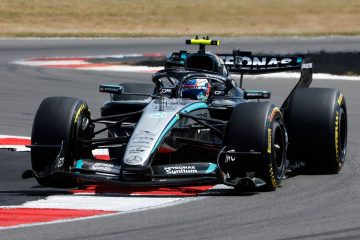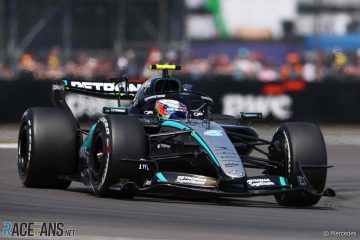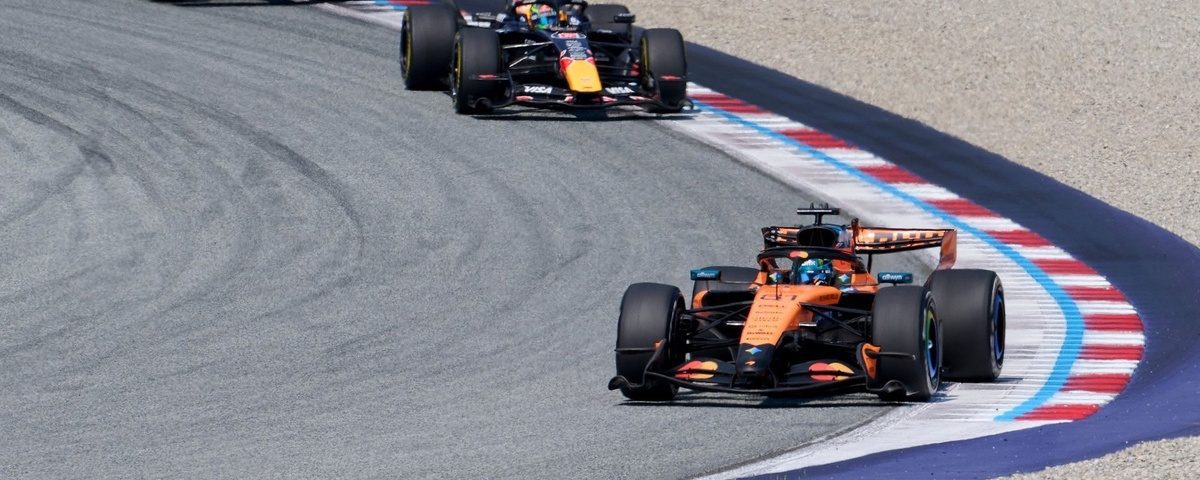
- Drone footage from the Austrian GP captivated fans and showcased the event's unique landscape.
- George Russell secured his second victory of the season at the Red Bull Ring.
- The stunning visuals have set a new benchmark for future F1 broadcasts.
- The results have tightened the championship standings significantly.
- Fans can expect increased excitement heading into upcoming races, as this victory shifts team dynamics.
The 2026 Austrian Grand Prix was a visual spectacle for Formula 1 fans, thanks in part to the innovative use of drone technology. On July 3, 2026, the race at the iconic Red Bull Ring in Spielberg produced breathtaking footage that allowed viewers to experience the dramatic twists and turns of the circuit like never before. Mercedes driver George Russell claimed his second grand prix victory of the season, while Red Bull Racing’s Max Verstappen and newcomer Kimi Antonelli rounded out the podium. This event not only showcased exceptional driving but also raised the bar for future race broadcasts.
Formula 1: What You Need to Know
The use of drones to capture sweeping shots during the race was praised by fans and analysts alike. The aerial perspectives added depth to the viewing experience, allowing audiences to appreciate the skill involved in navigating the challenging track layout. As Formula 1 continues to evolve, technology will play an increasingly crucial role in how races are presented to fans around the globe. The breathtaking drone shots are a testament to this evolution and could set a standard for future broadcasts.
With Russell’s victory in Austria, the championship standings have taken on a new complexion. This win has propelled him further up the leaderboard, intensifying the battle for the title. As the season progresses, the impact of this race result will undoubtedly ripple through the remainder of the championship. Drivers and teams will be keenly aware of the implications of every race as they strive to secure points and improve their standings.
Looking ahead, the upcoming fixtures in the Formula 1 calendar will be critical for all teams. The next race will be at Silverstone, a circuit known for its high-speed corners and passionate home crowd. The British Grand Prix offers a unique challenge and could see teams like Mercedes and Red Bull Racing push their limits in pursuit of victory. Russell’s performance in Austria has raised expectations, and fans will be eager to see if he can maintain this momentum.
Analysis & Key Takeaways
The championship race is shaping up to be one of the most competitive in recent history. With multiple drivers in contention and the points system rewarding consistency, the stakes are higher than ever. Teams will be analyzing data from the Austrian GP to develop strategies that can be executed in the upcoming races. As fan engagement grows, so too does the pressure on drivers to deliver exceptional performances.
The introduction of advanced technology in Formula 1, such as the drone footage seen in Austria, not only enhances the viewing experience but also serves as a marketing tool for the sport. This innovative approach captures the attention of a broader audience and helps to foster a deeper connection between fans and the sport. As Formula 1 seeks to grow its fanbase, these kinds of initiatives will be essential in driving interest and engagement.
What happens next, however, will depend greatly on how teams adapt to the lessons learned from the Austrian GP. With the season entering the halfway mark, the pressure will only increase as drivers strive for podium finishes. The upcoming races will not only affect individual standings but could also lead to significant shifts in team dynamics. A strong performance from Russell might prompt Mercedes to reconsider their long-term strategy, potentially influencing driver contracts and future team compositions.
As fans eagerly anticipate future races, the excitement generated by the Austrian GP’s stunning visuals and competitive outcomes will undoubtedly carry over. The combination of thrilling racing and cutting-edge technology sets the stage for an exhilarating second half of the season. For drivers, teams, and fans alike, the journey through the 2026 Formula 1 season is just beginning, and the stakes have never been higher.
As we reflect on the recent Austrian GP, it's clear that the use of drone technology is a game-changer for Formula 1 broadcasts. We believe this innovative approach not only enhances the viewing experience but also signals a shift in how the sport engages with its audience. The captivating aerial shots have the potential to attract new fans, particularly younger viewers who are drawn to visually stimulating content. This strategic move could have long-term implications for the sport's growth and popularity.<br />
Moreover, as the championship standings tighten, we anticipate that the pressure on drivers will increase significantly. With Russell's victory and the emerging competition from Antonelli, the dynamics within teams like Mercedes and Red Bull could shift in unexpected ways. We expect to see a more aggressive approach from teams as they strategize for upcoming races, which could lead to thrilling on-track battles as the season progresses. The excitement surrounding the championship is palpable, and we can’t wait to see how the next races unfold.
Source: F1 shares behind-the-scenes look at "excellent" Austrian GP drone shots
Sports News Plus is a news aggregator. We do not own or claim rights to any images, videos, or source content featured on this site. All images and media are the property of their respective original owners and publishers. Article content is independently written based on publicly available news sources, which are credited and linked throughout. Full disclosure →