- Daniel Ricciardo expressed relief at being dropped from his 2024 Formula 1 drive.
- His performance slump has raised questions about his future in the sport.
- Ricciardo's departure opens new opportunities for emerging talents in Formula 1.
- The strategic implications of his exit could reshape team dynamics and race results.
- This transitional phase may lead to a more competitive championship as fresh drivers enter the mix.
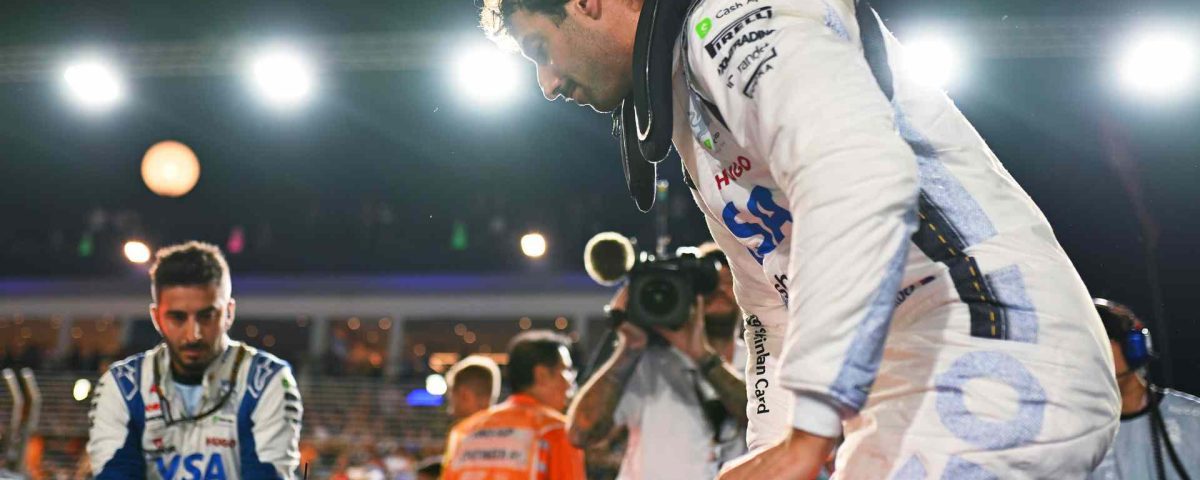
In a surprising turn of events, Daniel Ricciardo has publicly stated that he feels “grateful” for his team’s decision to drop him from his Formula 1 seat for the 2024 season. This admission, made on April 3, 2026, highlights a significant moment not only in Ricciardo’s career but also within the broader context of Formula 1 as the sport grapples with evolving team dynamics and competitive pressures. The Australian driver, once hailed as one of the brightest talents on the grid, has struggled to maintain his previous level of performance, prompting questions about his future in the sport.
Ricciardo’s candid reflection reveals much about the psychological toll of professional racing. The stakes are incredibly high in Formula 1, where performance is scrutinized and results dictate not just team standings but also a driver’s career trajectory. With a legacy of impressive race results and notable podium finishes, Ricciardo’s slump raises concerns about how quickly fortunes can turn in this high-octane environment.
The strategic implications of Ricciardo’s departure are multifaceted. Teams now have the opportunity to reassess their driver line-ups, particularly as the sport prepares for an influx of young talent eager to make their mark. Ricciardo’s exit clears the way for potential rookies or underappreciated drivers to step into competitive roles and prove their worth against seasoned contenders.
The Technical Dimensions of Ricciardo’s Exit
Analyzing the strategic implications of Ricciardo leaving his team requires a closer look at the technical aspects of Formula 1 racing. The sport is not just about individual driver talent; it’s also heavily influenced by team strategies, car performance, and driver feedback. Ricciardo’s recent performance slump suggests that he struggled to adapt to the car’s technical requirements or the evolving nature of race strategies.
Ricciardo’s driving style, characterized by aggressive overtaking and late braking, has often been his strength. However, the current crop of Formula 1 cars demands a different approach, particularly in qualifying where precision and consistency are paramount. As teams implement new aerodynamic packages to enhance downforce and grip, drivers must evolve to maximize these changes. This adaptation is crucial, and Ricciardo’s difficulties in this area may have ultimately cost him his seat.
Moreover, the championship landscape is changing. With the introduction of new regulations aimed at promoting closer racing and increasing competition, teams are increasingly focusing on driver versatility and adaptability. Ricciardo’s challenges in consistently securing strong qualifying positions may have made him less appealing to teams looking for a driver who can thrive in this new environment.
The Future of Formula 1: Opportunities Ahead
Ricciardo’s exit opens the door for fresh faces in Formula 1, an essential factor for the sport’s long-term health. New drivers bring not only different skill sets but also diverse strategies that can alter the dynamics of races. In a championship where the margin for error is minimal, the introduction of young, hungry talent can lead to more unpredictable race results, enhancing viewer engagement and excitement.
The implications of Ricciardo’s departure extend beyond his immediate team. Other teams will be watching closely to see how his successor performs and whether they can capitalize on the opportunity to push for better race results. Emerging talents such as Oscar Piastri, who has shown promise in lower formulae, could be in line for seats that become available as teams look to rejuvenate their line-ups.
As we look to the future, the Formula 1 championship is likely to become even more competitive. Teams will need to invest in scouting and development of young drivers who can adapt quickly to the ever-changing technical landscape. Ricciardo’s story serves as a reminder of the sport’s unforgiving nature and its relentless pursuit of excellence. With each departure comes the potential for new legends to rise, making the upcoming seasons critical in shaping the future of Formula 1.
At the SNP editorial desk, we see Ricciardo's departure as a critical inflection point not only for him but for the entire Formula 1 ecosystem. It raises questions about how quickly teams can pivot to harness fresh talent and adapt to the evolving competitive landscape. While Ricciardo has faced his share of challenges, it’s important to remember that the sport is cyclical. Every exit creates space for new legends to emerge.<br />
Looking ahead, we predict that teams will increasingly prioritize adaptability and technical acumen in their driver selections. The next generation of drivers will not only need raw speed but also the ability to work seamlessly with engineers to push the boundaries of car performance. As Ricciardo steps away, we might witness a thrilling phase in Formula 1, where innovation and fresh energy could redefine the championship narrative.
Source: Ricciardo admits he was “grateful” team chose to drop him in 2024 | Formula 1
Sports News Plus is a news aggregator. We do not own or claim rights to any images, videos, or source content featured on this site. All images and media are the property of their respective original owners and publishers. Article content is independently written based on publicly available news sources, which are credited and linked throughout. Full disclosure →