- Red Bull has seen both successes and challenges one year after Horner's departure.
- Laurent Mekies has provided a fresh vision for the team amidst new powertrains.
- Max Verstappen's near-title win indicates the team's competitive edge remains strong.
- Fan reactions are mixed, with debates over team direction and future potential.
- The upcoming season will be crucial for Red Bull's strategy in the championship race.
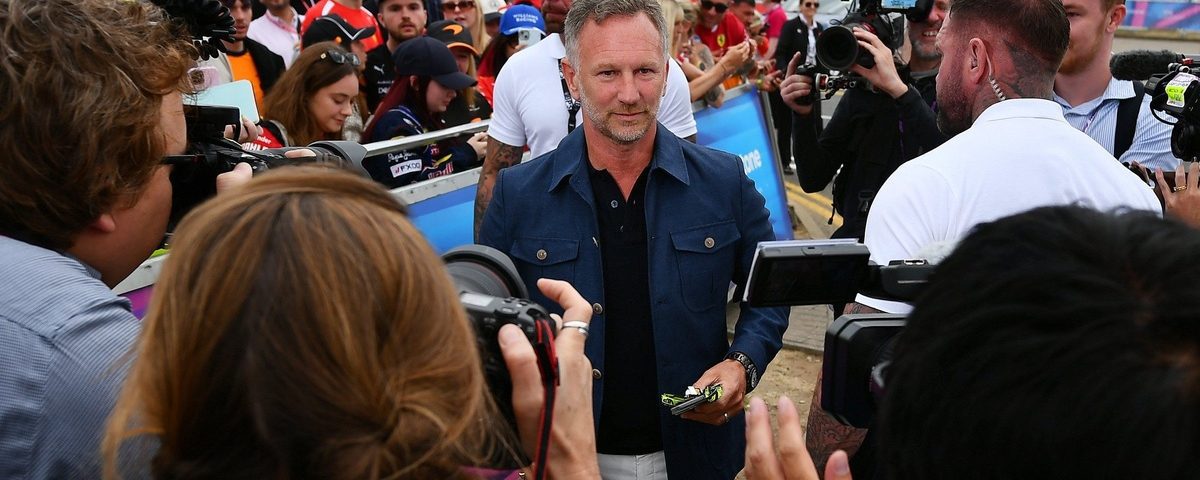
One year after Christian Horner’s departure as team principal of Red Bull Racing, the Formula 1 landscape has witnessed a significant transformation. Following two decades under Horner’s leadership, Laurent Mekies stepped into the role in July 2025, bringing with him a new strategic vision for the team. Under his guidance, Red Bull has been navigating turbulent waters in a competitive environment, culminating in a strong performance from driver Max Verstappen, who narrowly missed securing a fifth world title.
Formula 1: What You Need to Know
The 2026 season has been a turning point for Red Bull, especially with the introduction of Red Bull Ford Powertrains. This new partnership marked a pivotal shift for the team, allowing them to harness cutting-edge technology for improved performance. While the difficulties experienced in the transition period cannot be overlooked, Mekies’ leadership has sparked a resurgence, showcasing a blend of innovation and tradition that has excited fans and stakeholders alike.
However, the journey hasn’t been without its bumps. The team faced challenges in qualifying that raised eyebrows among analysts and fans. Critics pointed out inconsistencies reminiscent of the struggles during the early 2025 season. While Red Bull’s overall race results indicate a strong competitive presence, the team’s ability to consistently qualify at the front of the grid remains under scrutiny.
As fans reflect on this pivotal year for Red Bull Racing, social media channels have become a battleground for opinions. On platforms like Twitter and Reddit, discussions are heating up. Supporters express their excitement about the team’s competitive edge while simultaneously voicing concerns about their championship aspirations. The debates often revolve around whether Mekies can maintain the momentum built over the last year and if Verstappen can transform near-misses into victories.
Analysis & Key Takeaways
Engagement from fans is intense, with many believing that the team’s potential is yet to be fully realized. Some supporters argue that Mekies’ strategic decisions could be the key to unlocking a new era of dominance for the team, while others remain skeptical, citing that the competition is fiercer than ever. This division in opinion demonstrates the passionate investment fans have in Red Bull’s fortunes, highlighting their desire for both short-term success and long-term stability.
Fans are particularly vocal about the significance of upcoming races. With the championship title hanging in the balance, the discussions pivot around the performance in the next Grand Prix and how qualifying strategies will play out. The notion that every race could be a defining moment for the team has injected a sense of urgency into the fanbase. The pressure is on Mekies to deliver results that not only satisfy loyal supporters but also reinforce the team’s status as a powerhouse in Formula 1.
Looking ahead, the 2027 season promises to be a defining year for Red Bull Racing. With the continued evolution of the Ford Powertrains and an integrated approach to race strategy, the groundwork has been laid for a potential championship challenge. However, the team must address its qualifying issues to convert race potential into tangible success. The upcoming races will serve as a litmus test for Mekies’ leadership, and expectations will only rise as the team seeks to restore its reputation as a title contender.
In summary, the transition from Horner to Mekies has brought a refreshing outlook but also raised critical questions about the team’s direction. Max Verstappen remains an integral part of this journey, and his performance will undoubtedly shape the narrative around Red Bull’s future. As fans continue to debate and discuss the implications of recent events, one thing is clear: Red Bull Racing’s Formula 1 saga is far from over, and the stakes have never been higher.
As we analyze the developments surrounding Red Bull Racing, it’s evident that the transition period following Horner’s departure was more than just a change in leadership. It was an opportunity for the team to reevaluate its approach and align its strategies with modern Formula 1 dynamics. We see a team that is not only navigating competition but is also at the forefront of technological advancement with the new Ford Powertrains. This evolution could prove to be a game-changer, especially if Red Bull can iron out its qualifying inconsistencies.<br />
Looking ahead, we believe that the fan sentiment will play a crucial role in influencing team morale and performance. With a vocal and passionate fanbase, the pressure to deliver results will weigh heavily on Mekies and his team. The upcoming races will be critical; a few strong showings could solidify confidence, while continued struggles may lead to unrest among supporters. Ultimately, how Red Bull approaches the remainder of the season could redefine its legacy in Formula 1 and determine whether they can reclaim their status as champions.
Source: Is Red Bull better or worse off one year after Horner's sacking? Our writers have their say
Sports News Plus is a news aggregator. We do not own or claim rights to any images, videos, or source content featured on this site. All images and media are the property of their respective original owners and publishers. Article content is independently written based on publicly available news sources, which are credited and linked throughout. Full disclosure →