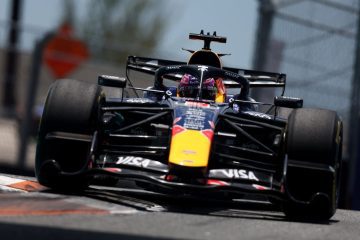
- Haas Formula 1 team is surprisingly sitting fourth in the constructors' championship.
- Team principal Ayao Komatsu expressed disbelief at their early-season success.
- The team's performance could signal a shift in competitiveness within the paddock.
- Qualifying times highlight Haas' potential for sustained success this season.
- Looking ahead, Haas may disrupt traditional power dynamics in Formula 1.
In a stunning development within the world of Formula 1, the Haas team finds itself in fourth place in the constructors’ championship after the first three races of the season. This unexpected rise has caught the attention of both fans and analysts alike, especially given the historical context of the American outfit’s performance. Ayao Komatsu, Haas’ team principal, candidly acknowledged that he would have laughed at the notion of his team achieving such a position just weeks prior. As the season unfolds, the implications of this surprising race result are likely to resonate throughout the entire paddock.
Formula 1: What You Need to Know
Haas has long been viewed as an underdog in Formula 1, often overshadowed by bigger teams like Mercedes, Ferrari, and Red Bull. However, their early-season performances have left the racing community reevaluating their potential. With 18 points secured across three races, Haas is not just a participant; they are proving to be a contender. This has sparked conversations about how they have managed to extract such performance from their car, particularly in the context of a sport where even fractions of a second can define success.
The key to Haas’ early success lies not just in the race results but also in their qualifying performances. Traditionally, qualifying has been a strong indicator of race-day success in Formula 1. For Haas, finding their footing during qualifying sessions has allowed them to secure better positions on the grid, ultimately translating into points finishes. By setting competitive lap times, they have been able to capitalize on the potential of their car, an accomplishment that many believed was out of reach at the start of the season.
As we analyze this early-season phenomenon, it’s essential to consider how Haas’ performance impacts the overall competitive landscape of Formula 1. The sport has seen a gradual evolution, with newer teams like Haas and Alfa Romeo striving to close the gap with the traditional powerhouses. The fact that Haas is now a legitimate threat could signal a shift in the dynamics of the championship battle.
Analysis & Key Takeaways
Teams that have historically dominated the championship, such as Mercedes and Ferrari, are now facing new challenges. The emergence of Haas as a formidable opponent could lead to a more competitive and unpredictable season. For fans and analysts, this adds an exciting layer to the championship race, where the narrative is no longer confined to the usual suspects. Instead, we may witness a more dynamic environment, with multiple teams vying for points and podiums.
Moreover, the significance of Haas’ achievements is not limited to their own team. If they can maintain this form, they could disrupt the established hierarchy in Formula 1, potentially affecting the strategies and performance of other teams. In a sport where every decision is scrutinized, other teams may have to reassess their own operations and performance metrics.
As we look ahead, the question remains: can Haas sustain this level of performance throughout the season? The upcoming races will be crucial in determining whether this early surge is a flash in the pan or a sign of lasting competitiveness. We must also consider the potential for development updates to their car. As the teams head into the next rounds, those that can effectively develop and innovate will rise to the top.
Haas will need to leverage its current momentum and capitalize on any weaknesses shown by rival teams. Given the unpredictable nature of Formula 1, where track conditions, weather, and even luck can play significant roles, the team’s ability to adapt and evolve will be key.
In conclusion, Haas’ unexpected rise to P4 in the Formula 1 constructors’ championship is a captivating storyline that speaks to the unpredictable nature of motorsport. As we continue to follow the season, it will be fascinating to see how this narrative unfolds and what it means for the future of not just Haas but the entire sport.
From our perspective, the early success of Haas could signify a broader shift in Formula 1 that challenges traditional perceptions of team capabilities. While many have written off teams like Haas as perennial backmarkers, their recent performances highlight the importance of strategic planning, innovative engineering, and perhaps even a touch of luck. If Haas can maintain this trajectory, we may see a more diverse field in terms of championship contenders, which could ultimately lead to a more engaging season for fans.<br />
Furthermore, the psychological impact of being a front-runner cannot be underestimated. The pressure that comes with expectation may affect Haas' performance in future races, but it also presents an opportunity for growth and confidence. The question now is whether they can convert this early-season momentum into a sustained challenge throughout the championship, or if they will recede back into the mid-field pack as the season progresses.
Source: Ayao Komatsu admits he would have “laughed” at Haas being P4 after three races
Sports News Plus is a news aggregator. We do not own or claim rights to any images, videos, or source content featured on this site. All images and media are the property of their respective original owners and publishers. Article content is independently written based on publicly available news sources, which are credited and linked throughout. Full disclosure →