- Pierre Gasly believes the negativity around the 2026 Formula 1 regulations is unwarranted.
- The new rules emphasize electric energy management and its impact on qualifying.
- Historical comparisons show that changes in regulations often evoke resistance initially.
- Successful adaptations in the past have led to improved competition and driver engagement.
- The future of the championship may hinge on how teams adjust to the evolving dynamics of qualifying.
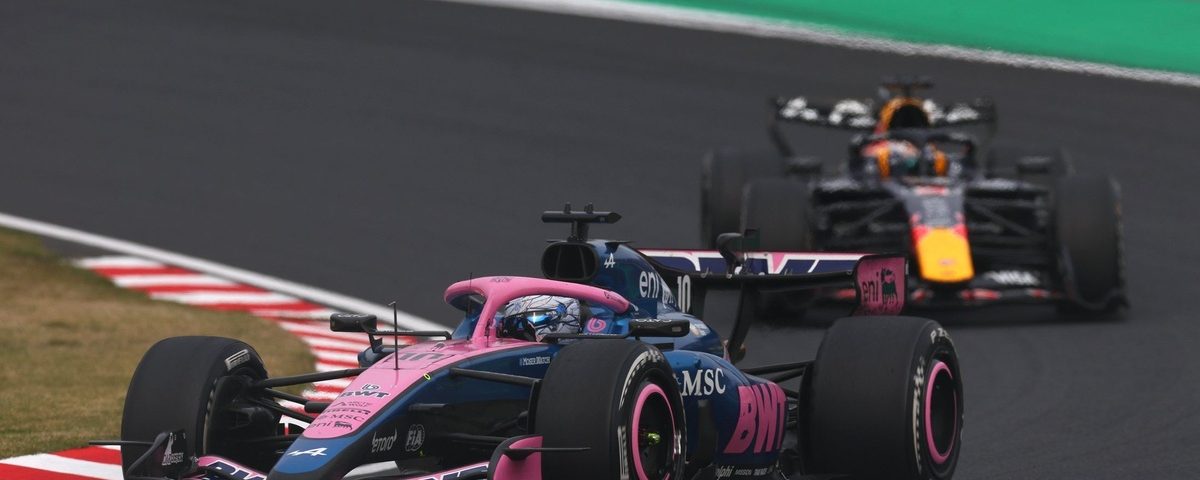
In a recent statement, Alpine driver Pierre Gasly addressed the growing concern and skepticism surrounding the 2026 Formula 1 regulations. Speaking on April 3, 2026, Gasly expressed his belief that the negativity surrounding these changes is exaggerated and that driver skill is still paramount in the championship landscape. The new rules, which emphasize electric energy management, have significantly altered the approach teams and drivers take toward qualifying, a crucial aspect that can dictate race results.
Gasly’s comments come in the wake of widespread discussions about the impact of these changes. Many fear that the increased focus on hybrid technology and energy management could reduce the influence of traditional racing skills. However, Gasly stands firm in his conviction that the essence of racing—timing, precision, and strategy—remains unaffected. He argues that instead of viewing these regulations as a hindrance, the focus should be on how drivers can adapt and thrive within this framework.
The 2026 regulations mark a significant shift within Formula 1, a series known for its constant evolution. This transition is not unique; throughout the sport’s history, various rule changes have sparked debates about their effects on the sport’s integrity and the role of individual drivers. Notably, the introduction of turbo engines in the late 1970s faced similar skepticism, with critics arguing that it favored manufacturers over drivers. However, this era also saw the emergence of legendary talents like Niki Lauda and Nelson Piquet, who proved their mettle in adapting to new technologies.
Historical Context: Lessons from the Past
The history of Formula 1 is replete with moments where new regulations have been met with resistance. The shift to aerodynamics in the late 1980s, for example, transformed how cars were designed and raced. Initially, many believed that these changes would dilute the skill required to compete at the highest level. Yet, this era ultimately showcased the incredible talents of drivers like Ayrton Senna and Alain Prost, who excelled in utilizing their vehicles’ capabilities to their advantage.
Another pivotal moment came with the introduction of the V8 engine in 2006. At the time, the change was controversial, leading many to question whether it would diminish the competition. Similar to the current sentiment surrounding the 2026 regulations, the initial response was filled with uncertainty. However, the era that followed was marked by thrilling rivalries and unforgettable championship battles that reinvigorated interest in the sport.
These historical parallels suggest that while the introduction of new regulations may be met with cynicism, they often pave the way for innovation and heightened competition. As drivers and teams adapt, the championship can benefit from fresh challenges that test the limits of skill and strategy.
Despite the concerns raised, Gasly’s perspective on the 2026 regulations aligns with a broader narrative in Formula 1. Change is an intrinsic part of the sport’s DNA, and while the process can be uncomfortable, it often leads to a more dynamic and engaging championship. The emphasis on electric energy management may initially seem like a departure from the traditional racing ethos, but it could also stimulate a new generation of drivers who thrive in this evolving landscape.
The Road Ahead for Formula 1
As the 2026 season approaches, teams will need to navigate these regulations with foresight and agility. The ability to innovate within the new framework will define who rises to the top of the championship standings. Gasly’s call for a more optimistic view reflects a sentiment that could resonate throughout the paddock.
The future of Formula 1, particularly regarding qualifying, will likely hinge on how well drivers can leverage their skills within the constraints of energy management. If history teaches us anything, it’s that the most successful drivers are those who can adapt to change while maintaining their competitive edge.
Ultimately, the evolving nature of Formula 1 demands that we embrace new challenges. What initially seems like an obstacle may transform into an opportunity for thrilling races and unforgettable moments. Gasly’s perspective serves as a reminder that while regulations change, the heart of racing remains rooted in the talent and tenacity of the drivers.
In our view, Gasly's comments underscore a critical transitional phase for Formula 1. As we look back at the sport's history, it's clear that resistance to change is a recurring theme. The skepticism surrounding the 2026 regulations should not overshadow the potential for growth and innovation. History shows us that every major rule change has ultimately led to enhanced competition, even if it took time for the landscape to adjust.<br />
We also believe that the emphasis on electric energy management could foster a new type of race strategy. Teams will need to think creatively about how to balance speed with energy conservation, which could lead to some thrilling tactical battles during races. As we move forward, the excitement will lie in watching how drivers like Gasly and their teams adapt to these new challenges, turning potential setbacks into opportunities for triumph.
Source: Pierre Gasly: "Too much negativity" around F1 2026 as driver skill still matters
Sports News Plus is a news aggregator. We do not own or claim rights to any images, videos, or source content featured on this site. All images and media are the property of their respective original owners and publishers. Article content is independently written based on publicly available news sources, which are credited and linked throughout. Full disclosure →