- Martin Brundle has proposed three essential changes to F1's safety car rules.
- The changes aim to prevent anticlimactic finishes and enhance excitement in races.
- Current regulations impact championship outcomes and race strategies.
- The discussion highlights a growing concern among fans regarding race integrity.
- Implementing these changes could redefine tactics in Formula 1 racing.
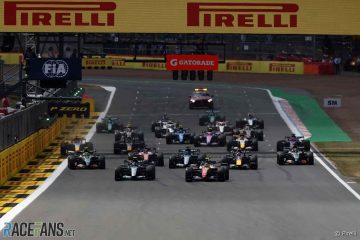
The Formula 1 world was abuzz following the recent British Grand Prix, where the thrilling prospect of an intense finish was overshadowed by the deployment of the safety car. Martin Brundle, a former F1 driver and respected Sky Sports analyst, has stepped into the limelight with a bold proposal aimed at reforming safety car regulations. His suggestions come in the wake of an anticlimactic race result at Silverstone, which took place on July 5, 2026, as Charles Leclerc led the pack, only to see his lead evaporate under the safety car’s influence.
Formula 1: What You Need to Know
Brundle’s proposed changes are designed to encourage more competitive outcomes and preserve the integrity of the championship. He is calling for a revision of the current rules governing safety car situations, which have come under scrutiny for their potential to nullify the efforts of drivers and teams throughout the race. As the racing landscape evolves, so too must the protocols that govern it, ensuring that fans and participants alike remain engaged until the very last lap.
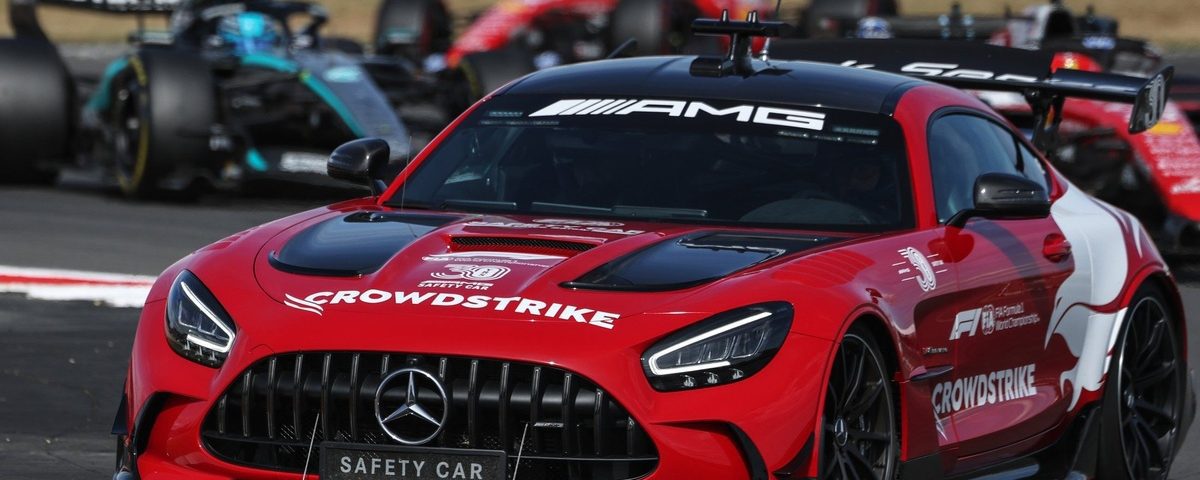
One of the key issues highlighted by Brundle is the timing of the safety car deployment. Currently, when a safety car is deployed late in a race, it can effectively neutralize the race, denying drivers the chance to battle for position and leading to a finish that often feels more like a parade than a competitive showdown. The impact on race qualifying and strategic tire management only adds layers to this concern. In a sport where every second counts, the prospect of an anticlimactic finish can tarnish the efforts of drivers who have fought hard for their positions.
Brundle’s first suggestion involves limiting the scenarios that allow the safety car to dictate the closing stages of a race. By implementing stricter guidelines on when a safety car can be deployed, the FIA could help maintain the competitive spirit that defines Formula 1. This could involve reserving its use for truly dangerous conditions rather than minor incidents that might be resolved with local yellow flags.
The second proposal focuses on the timing of safety car periods. Brundle suggests introducing a system that would require a minimum number of racing laps following a safety car deployment, thereby ensuring that drivers have a fair opportunity to battle it out on the track before the race concludes. This could not only enhance the excitement of race finishes but could also potentially influence championship standings by allowing drivers a chance to earn their positions back after a safety car period.
Analysis & Key Takeaways
Lastly, Brundle advocates for a greater emphasis on driver discretion. Allowing drivers more agency to decide how and when to race following a safety car could lead to more dynamic and engaging finishes. This empowerment could foster a competitive ethos that resonates with fans and ensures that every race concludes with the level of intensity that defines Formula 1.
As we analyze these proposals, it’s crucial to consider the broader implications for the championship. A revision of safety car regulations could fundamentally alter the strategies teams employ in both qualifying and race scenarios. Teams would need to adapt their approaches not just to scenarios on the track, but also to the evolving rules that govern race finishes. This adds a layer of complexity to an already intricate sport, where every decision can lead to victory or defeat.
Furthermore, fan engagement is at the heart of Brundle’s suggestions. The anticipation surrounding race results hinges on the excitement of competitive finishes. By ensuring that races conclude with a genuine competition rather than a safety car finish, the FIA could enhance the overall fan experience, allowing spectators to feel more connected to the sport they love.
As we look to the future of Formula 1, the implementation of these changes could mark a significant turning point. It’s an opportunity for the FIA to demonstrate its commitment to improving the sport’s integrity and appeal. The voice of former drivers like Brundle is paramount in shaping these discussions, as they bring invaluable insight from their own experiences on the track.
In conclusion, Brundle’s proposals present a compelling case for reforming safety car regulations in Formula 1. By addressing the issues that lead to anticlimactic finishes and enhancing the competitive nature of races, the FIA has the chance to reshape the championship landscape. The future of Formula 1 may very well depend on the adoption of these changes, ensuring that every race remains a thrilling display of skill, strategy, and speed.
From our perspective at the SNP editorial desk, Brundle's proposals are not just timely; they are essential for the evolution of Formula 1. The sport has often been criticized for its reliance on procedural elements that can detract from the excitement of racing. By addressing safety car regulations, we can redefine the narrative around what makes a race truly captivating.<br />
While some may argue that safety protocols are paramount for driver safety, we believe that a balance can be struck. The essence of racing lies in competition, and as such, any regulations that inhibit true racing should be scrutinized. The conversation has begun, and we are eager to see how the FIA responds. Will they embrace these changes, or will they continue to prioritize safety at the expense of thrilling competition? The future of the championship could hinge on their decision.
Source: Martin Brundle proposes three fixes to avoid F1 safety car finishes after British GP
Sports News Plus is a news aggregator. We do not own or claim rights to any images, videos, or source content featured on this site. All images and media are the property of their respective original owners and publishers. Article content is independently written based on publicly available news sources, which are credited and linked throughout. Full disclosure →