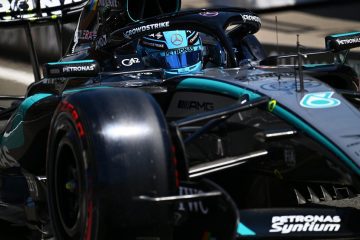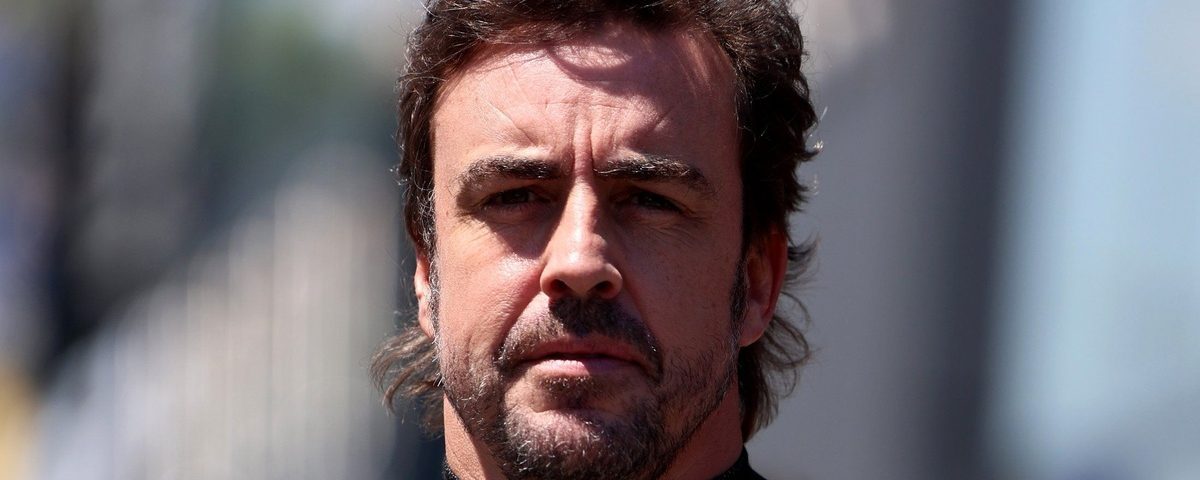
- Adrian Newey believes a revamped Aston Martin car could keep Alonso for 2027.
- Alonso's age and team performance create uncertainty about his future.
- The situation echoes past instances of veteran drivers facing team struggles.
- Historical comparisons show that driver loyalty can shift rapidly in F1.
- Alonso's decision could reshape his legacy and the team's trajectory in F1.
Fernando Alonso, the two-time Formula 1 world champion, finds himself at a pivotal juncture in his racing career as discussions intensify about his future with Aston Martin. Team principal Adrian Newey has expressed optimism that the team’s upcoming car update for the Hungarian Grand Prix could persuade the 44-year-old driver to extend his contract into the 2027 season. However, with Aston Martin currently lagging behind competitors, including newcomers like Cadillac, the question remains: can Alonso successfully navigate this challenging landscape to secure his place in Formula 1?
As Alonso considers his options, the implications for both his career and the Aston Martin team are profound. Known for his unparalleled skill and tenacity, Alonso’s reputation in the sport is already firmly established. Yet, at this juncture, he is faced with the dual challenge of age and a team that has struggled to provide him with a competitive car. The upcoming updates are crucial not just for performance but for Alonso’s decision-making process regarding his future in the sport.
Historical Context: A Look Back at Driver Decisions
The current dilemma faced by Alonso is not unprecedented in the world of Formula 1. History is replete with instances where legendary drivers have had to make life-altering decisions about their careers amid team struggles. For example, consider the case of Michael Schumacher in the early 2000s. After a promising start with Benetton, Schumacher faced declining performance in subsequent seasons. His eventual switch to Ferrari not only revitalized his career but also led to one of the most successful periods in F1 history.
Similarly, we can look at the career of Kimi Räikkönen, who at times has struggled with teams not providing him the machinery to compete at the highest level. Following a lackluster season with Ferrari in 2013, Räikkönen did not hesitate to move to Lotus, where he experienced renewed success. These examples illustrate that when a driver feels limited by their current team’s performance, they may choose to seek greener pastures, even if it means taking a risk on an unproven project.
For Alonso, the key question is whether the allure of a revitalized Aston Martin is enough to convince him to stay. As he weighs his options, historical precedence suggests that loyalty in Formula 1 can be fleeting, especially when championship aspirations are on the line. The sport’s relentless pursuit of performance often prompts even the most devoted drivers to reconsider their allegiances.
The Road Ahead for Alonso and Aston Martin
Looking forward, Alonso’s decision will undoubtedly have far-reaching implications for both his legacy and Aston Martin’s trajectory in Formula 1. Should he choose to remain, it could signal a commitment to developing a competitive car that he believes can challenge for race wins. This would not only strengthen his status as a driver who perseveres through adversity but could also galvanize the entire Aston Martin team, inspiring them to reach new heights.
On the other hand, if Alonso decides to part ways with Aston Martin, it may mark the end of an era for the team. His departure could lead to a significant reshuffling within the team as they seek a replacement capable of filling the void left by such a high-profile driver. Moreover, it could shape the narrative of his career—an iconic driver who, after a storied past, could not make it work with a team that struggled to meet his expectations.
In conclusion, Alonso’s future with Aston Martin is a microcosm of the larger dynamics that govern Formula 1. The decisions made today will ripple through the sport for years to come, serving as a reminder that in Formula 1, the difference between success and failure often hinges on a single decision during a critical moment.
From our perspective, the situation facing Fernando Alonso is emblematic of the broader challenges that veteran drivers face in a sport that is constantly evolving. While Alonso has proven himself time and again, the relentless pace of development in F1 means that even the most skilled drivers must adapt or risk being left behind. We see this as a crucial moment not just for Alonso but for the entire Aston Martin organization.<br />
If the upcoming car modifications fail to deliver the expected performance enhancements, it could prompt Alonso to explore opportunities elsewhere, possibly with a team that can offer a more competitive edge. The historical context of similar situations suggests that Alonso's future will not solely be about loyalty; it will also hinge on the tangible results he can achieve on the track. Ultimately, this moment could redefine his legacy in Formula 1, either solidifying his status as a tenacious competitor or marking a regrettable chapter in a storied career.
Source: Newey hoping to keep Alonso at Aston Martin for F1 2027
Sports News Plus is a news aggregator. We do not own or claim rights to any images, videos, or source content featured on this site. All images and media are the property of their respective original owners and publishers. Article content is independently written based on publicly available news sources, which are credited and linked throughout. Full disclosure →