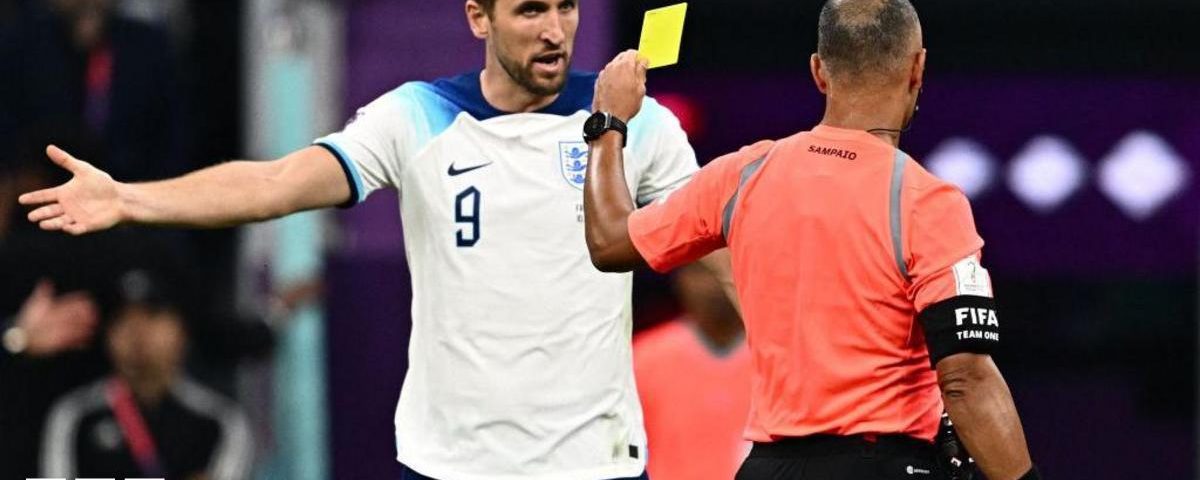
- FIFA's new yellow card amnesty rule will impact player suspensions.
- The change aims to enhance match integrity during the World Cup group stage.
- Fans and teams may have heightened expectations as a result.
- Upcoming fixtures are likely to see a shift in tactical approaches.
- Player transfers and selections could change based on match results.
FIFA’s recent announcement regarding a yellow card amnesty for the group stage of the upcoming 2026 World Cup has set the football community abuzz. Scheduled to take place from June 8 to July 8, 2026, in the United States, Canada, and Mexico, this decision comes as a pivotal moment in tournament history. With the intention of promoting fair play and enhancing match integrity, the new rule allows players to enter the knockout stages without the burden of accumulated yellow cards received during group matches.
Yellow card amnesty: What You Need to Know
This change could significantly influence not only the dynamics of the World Cup but also the strategies employed by national teams. Traditionally, players on the brink of suspension often play with caution, limiting their ability to perform at peak levels. Under the new amnesty, we might see a more aggressive style of play, particularly from teams looking to make a deep run in the tournament. The absence of the threat of a suspension could encourage players to take risks, potentially leading to more exciting match results.
As teams prepare for their final qualifying fixtures leading up to the World Cup, the implications of this yellow card amnesty are multifaceted. For starters, teams that have relied on key players who frequently accumulate yellow cards will likely feel a sense of relief. Coaches will no longer have to balance their starting line-ups with an eye towards potential suspensions, allowing for a more stable selection process. This could lead to stronger performances in the build-up to the tournament and into the group stages.
Moreover, this rule change is not just about individual players; it could also alter the standings within leagues and competitions. For instance, players who would otherwise be cautious during critical club matches may now be more inclined to go for goals, knowing they can play freely without the risk of missing crucial World Cup fixtures. This aspect could dramatically affect transfer decisions as clubs reassess the value of players who are known for their disciplinary records.
Analysis & Key Takeaways
The yellow card amnesty also raises questions about how teams will approach their match strategies in both the group phase and subsequent knockout rounds. Will coaches opt for a more aggressive formation, knowing that star players won’t be sidelined due to yellow card accumulation? Or will they maintain a balanced approach, focusing on ensuring their players are fit for the rounds to come? The answers to these questions could define the tournament’s narrative.
As we project forward, fan expectations will undoubtedly be influenced by this new ruling. Supporters will anticipate a more dynamic style of play and potentially higher scores, as players may feel liberated from the constraints of previous disciplinary concerns. This could lead to an increase in viewership and engagement, as football aficionados look forward to thrilling match results in the World Cup.
Looking beyond the immediate ramifications, the yellow card amnesty could also have long-term effects on player transfers. Clubs will be keenly interested in how their players perform during the World Cup, particularly if they play without the fear of suspension. This scenario could lead to a surge in player evaluations post-tournament, as scouts will likely prioritize players who made impacts without the burden of disciplinary action.
Furthermore, the amnesty might serve as a catalyst for discussions surrounding player discipline in football. If the tournament successfully showcases the benefits of this rule, it could open the door for similar changes in domestic leagues, such as the Premier League. Clubs may begin to advocate for a more lenient approach to yellow card accumulation throughout the season, arguing that it enhances the overall quality and excitement of the sport.
In summary, FIFA’s decision to implement a yellow card amnesty during the group stage of the World Cup 2026 is a significant move with far-reaching implications. It promises to reshape match strategies, influence player transfers, and ultimately enhance fan engagement during one of the most prestigious events in the football calendar.
As the editorial team, we find ourselves intrigued by the ripple effects of FIFA's yellow card amnesty, especially given its potential to transform not just the World Cup but also how football is played at various levels. The prospect of players performing without the fear of immediate suspension may lead to a more creative and entertaining style of play, which fans have long desired.<br />
Moreover, this rule could usher in an era where clubs emphasize player discipline differently, perhaps even advocating for changes in domestic leagues to mirror this World Cup amendment. As we analyze these developments, it's clear that the football landscape is evolving, and the yellow card amnesty may very well be a pivotal moment in that evolution. We anticipate a fascinating tournament ahead, one that could redefine the stakes of player discipline and strategy in football for years to come.
Source: World Cup group stage set for yellow card amnesty
Sports News Plus is a news aggregator. We do not own or claim rights to any images, videos, or source content featured on this site. All images and media are the property of their respective original owners and publishers. Article content is independently written based on publicly available news sources, which are credited and linked throughout. Full disclosure →