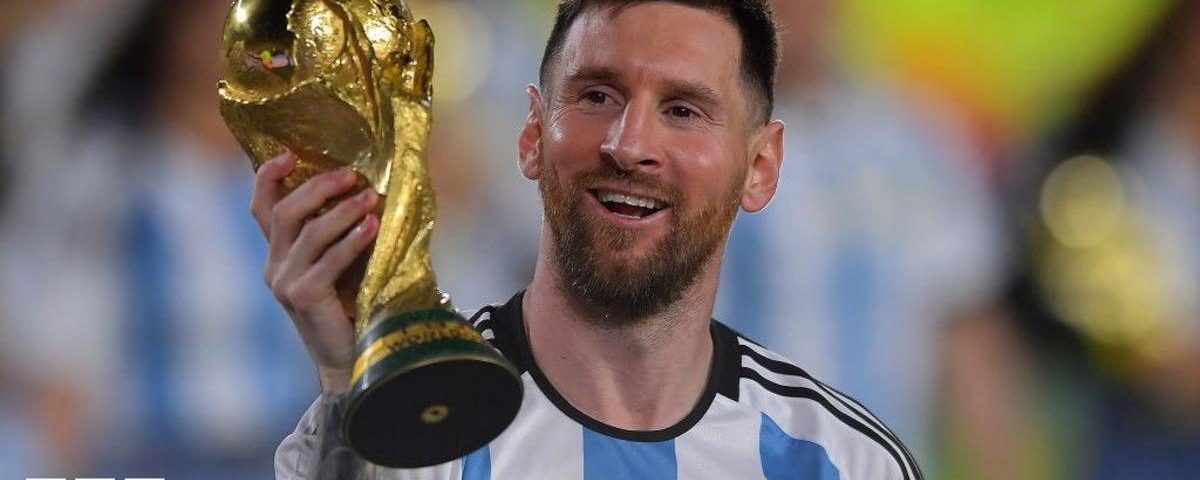
- Brazil holds the most World Cup titles, with five championships.
- Miroslav Klose is the all-time top scorer in World Cup history with 16 goals.
- The highest-scoring World Cup match resulted in a staggering 12 goals.
- Germany has the highest win rate in World Cup history, achieving over 70%.
- The upcoming 2026 tournament in North America may see new records set.
World Cup records As we approach the 2026 FIFA World Cup, the excitement surrounding the tournament is palpable. Scheduled to take place across the United States, Canada, and Mexico, this tournament is set to feature 48 teams competing for football’s most prestigious trophy. As we gear up for this event, it’s essential to reflect on the history and records that have shaped the World Cup, revealing the legends and statistics that fans cherish.
The World Cup has a rich history that dates back to its inaugural tournament in 1930. Over the decades, countless players and teams have left their mark on the competition, setting records that showcase the evolution of football on the global stage. Brazil’s five titles stand as a testament to their footballing prowess, while the likes of Diego Maradona and Pelé continue to be celebrated as icons of the sport.
One of the most notable aspects of World Cup history is the impact of individual performances. Miroslav Klose, a German forward, etched his name into the annals of football by scoring 16 goals across four tournaments, making him the all-time leading scorer in World Cup history. This record highlights not just Klose’s remarkable talent but also the consistency required to perform at the highest level in multiple World Cups.
Historical Performance Trends
A deeper look into World Cup statistics reveals fascinating trends that can often go unnoticed. For instance, Germany boasts an impressive win rate of over 70% in World Cup matches, a feat that underscores their remarkable consistency and ability to perform under pressure. Their approach often combines tactical discipline with a flair for scoring, resulting in memorable matches and unforgettable moments.
In terms of scoring, the highest-scoring match in World Cup history took place in 1954, when Austria defeated Switzerland 7-5. This thrilling encounter not only showcased the attacking prowess of both teams but also highlighted the unpredictable nature of knockout football. As we analyze these statistics, it becomes clear that the World Cup is not merely about winning; it is also about delivering spectacular match results that captivate audiences worldwide.
As we prepare for the next tournament, the potential for new records looms large. With 48 teams competing, fans can expect a variety of styles and strategies that will introduce fresh dynamics into the tournament. The expansion of the World Cup format invites not just more teams but also a broader range of playing styles, which can lead to surprising outcomes and exhilarating match results.
By the Numbers
To appreciate the World Cup fully, let’s take a closer look at some key statistics that contextualize its significance. Brazil’s five championships remain unmatched, but other teams are not far behind. Germany and Italy, each with four titles, are close contenders, and recent performances suggest that their win rates could be bolstered in future tournaments.
When examining goals scored, Klose’s 16 goals are a benchmark for aspiring players. The average goals per match in World Cup history hovers around 2.5, which reflects a balance between defensive tactics and offensive creativity. Furthermore, only seven players have scored in more than one World Cup final, highlighting the rarity and pressure associated with such performances.
Looking at the broader picture, the overall World Cup win rate for top teams like Brazil, Germany, and Italy showcases the dominance of these nations. The historical context of these statistics not only reflects the achievements of these teams but also sets the stage for emerging nations to challenge the status quo in upcoming tournaments.
As we approach the 2026 World Cup, fans will undoubtedly keep an eye on both established powerhouses and rising contenders. Expectations will be high, and the potential for new records is ever-present. The combination of talent across the globe and the thrill of competition promises to deliver unforgettable match results and storylines that will echo through football history.
As the 2026 World Cup draws closer, we can't help but speculate on which players might rise to the occasion and potentially break existing records. With a new generation of football talent emerging, the likelihood of fresh stories and records being written is incredibly high. We see young stars from various leagues, including the Premier League, making their mark, and it's conceivable that one of them could challenge Klose's scoring record.<br />
Moreover, the tournament's expanded format will offer more opportunities for underdog teams to shine. This could lead to unexpected match results that defy traditional expectations. Countries like Senegal and Mexico have shown flashes of brilliance in recent tournaments, and with the right combination of skill and determination, they may surprise established giants. As we look ahead, the anticipation of new records and narratives in the 2026 World Cup continues to build, setting the stage for an unforgettable spectacle.
Source: Who are the World Cup's record holders?
Sports News Plus is a news aggregator. We do not own or claim rights to any images, videos, or source content featured on this site. All images and media are the property of their respective original owners and publishers. Article content is independently written based on publicly available news sources, which are credited and linked throughout. Full disclosure →