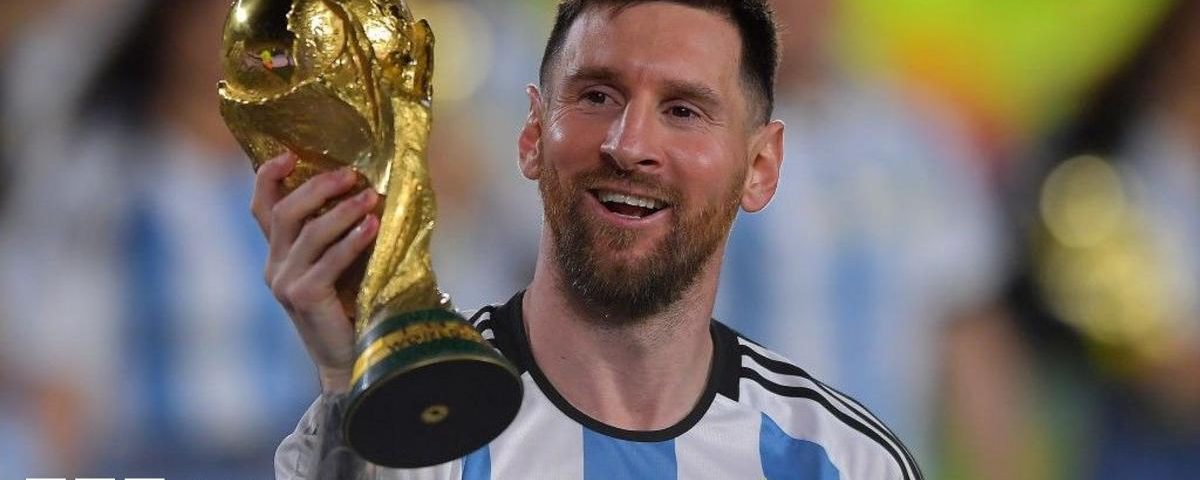
- The World Cup has a rich history filled with remarkable record holders.
- Notable players like Miroslav Klose and Pelé have set standards for future generations.
- The upcoming 2026 tournament promises to add new narratives to World Cup history.
- Understanding these records can influence betting odds and fan expectations.
- Future tournaments may see new records as young talents emerge in the premier league.
World Cup record holders As the world gears up for the 2026 FIFA World Cup, excitement is building not just around the tournament itself but also about the records that have defined this prestigious event. From legendary goals to iconic match results, the World Cup has always been a stage for extraordinary feats. The tournament will take place in the United States, Canada, and Mexico, beginning on June 8, 2026, and fans are eager to see if current stars can challenge the historical benchmarks set by past heroes.
World Cup record holders: What You Need to Know
One of the most significant aspects of World Cup history is the record holders who have left an indelible mark on the tournament. Miroslav Klose, for instance, holds the record for the most goals scored in World Cup history, with 16 goals across four tournaments. His achievement is a testament to not only his skill but also his longevity, as he maintained peak performance over a decade. Pelé and Diego Maradona are other names that resonate deeply, having both left behind legacies that transcend mere statistics. Their influence goes beyond goals and assists; it’s about how they captivated audiences and inspired future generations of players.
As we delve deeper into the records, it’s essential to analyze what they mean for the future of the tournament. For example, with the rise of young talents in the premier league, we could witness a shift in these records. Players like Erling Haaland and Bukayo Saka have already made significant impacts in their respective leagues, and if they transition successfully to the international stage, they could very well rewrite the history books. This evolution in talent raises questions about the sustainability of existing records and the potential for new ones to emerge in the upcoming tournament.
Furthermore, the landscape of international football is changing rapidly. National teams are investing more in youth development and scouting, leading to an influx of skilled players at younger ages. This development bodes well for the future of the World Cup, as we may see more teams capable of challenging the historical powerhouses like Brazil and Germany. The competitive balance could lead to unexpected match results, making the tournament even more thrilling for fans.
Analysis & Key Takeaways
In addition to the individual records, we should also consider how these milestones affect team dynamics. Teams often rely on experienced players during high-pressure situations, and knowing the record holders can influence strategies. Coaches might look to players who have historically performed well in the World Cup to guide younger teammates through the challenges of the tournament. The psychological advantage that comes from having record holders in the squad cannot be underestimated.
Moreover, as we reflect on the legacy of past tournaments, it’s crucial to appreciate how records shape fan engagement and media narratives. The stories surrounding record holders often attract significant media attention, leading to discussions about their potential replacements. This narrative not only adds excitement but also drives discussions around transfers and future talent acquisition. Clubs in the premier league, for example, will be closely monitoring these emerging players, potentially leading to lucrative transfers that reshape their squads.
As the 2026 FIFA World Cup approaches, fans will undoubtedly be looking to see if new records will be set or if the existing ones will remain untouched. The anticipation is palpable, and the implications of these records extend beyond mere statistics. They influence how teams prepare, how fans engage, and how the narrative of each tournament unfolds.
In conclusion, the World Cup is not just a sporting event; it is a tapestry of records, stories, and dreams that unite fans across the globe. Understanding the significance of record holders provides deeper insight into what we can expect in the future. As new stars rise and old ones fade, the historical context of the World Cup will continue to evolve, making every tournament a unique chapter in football history.
As we examine the upcoming 2026 FIFA World Cup, it’s clear that the records set by past players like Klose and Pelé not only serve as benchmarks for aspiring athletes but also fuel the narratives that surround each tournament. Our view is that while these records are impressive, they can sometimes overshadow the emerging talents who are poised to break them. The pressure to replicate or surpass these feats can be daunting for young players, but it also serves as motivation.<br />
Looking forward, we believe the 2026 tournament could be a turning point, particularly with the new format and the inclusion of more teams. This could create opportunities for fresh faces to emerge on the world stage. With the premier league being a hotbed for talent, we should expect many of today’s stars to rise to the occasion and possibly redefine what it means to be a World Cup record holder. The narrative is shifting, and we are excited to witness how the next generation will leave their mark on this historic competition.
Source: Who are the World Cup's record holders?
Sports News Plus is a news aggregator. We do not own or claim rights to any images, videos, or source content featured on this site. All images and media are the property of their respective original owners and publishers. Article content is independently written based on publicly available news sources, which are credited and linked throughout. Full disclosure →