- Mayor Mamdani asserts that the World Cup generates ample revenue.
- Increased ticket prices could deter fans from attending the event.
- The discourse around affordability highlights socio-economic issues in sports.
- Fair pricing could enhance fan engagement and loyalty.
- The ongoing debate may influence future international sporting events.
World Cup profits On June 25, 2026, New York Mayor Zohran Mamdani addressed concerns regarding ticket pricing for the World Cup, asserting that the event generates “more than enough” revenue to sustain reasonable costs for fans. This statement comes at a time when the global football community is buzzing with excitement over the tournament, taking place in various cities worldwide, including New York. Mamdani’s comments resonate with the ongoing discourse around accessibility and the economics of sport, particularly as the World Cup draws massive global viewership and fan engagement.
The Mayor’s remarks evoke a critical conversation about the balance between profit and accessibility in sports. The World Cup, as one of the most-watched sporting events globally, brings in significant revenue from broadcasting rights, sponsorships, and merchandise sales. However, the financial model that supports such an event often overlooks the fans who contribute to its success. As ticket prices soar, many potential attendees find themselves priced out of the experience, prompting the question: who truly benefits from the profits generated?
In the Premier League and other large football leagues, ticket prices have become a contentious issue. The conversation often revolves around the disparity between the revenue generated by clubs and the affordability for the average fan. Mayor Mamdani’s call for fair pricing resonates in this context, emphasizing that while World Cup profits continue to enrich FIFA and host nations, it is crucial to ensure that the spirit of the game remains accessible to its most dedicated supporters.
The Economic Landscape of the World Cup
The World Cup is a financial juggernaut that brings immense economic benefits to host cities. With billions in revenue from various sources, including sponsorships and merchandise sales, the event provides an opportunity for cities to showcase their culture and hospitality. However, as the tournament approaches, city officials must consider how to distribute these profits responsibly.
Mamdani’s remarks reflect the sentiment that the financial windfall from the World Cup should not come at the expense of fan experience. Instead, it should enhance it. If ticket prices remain steep, the event risks alienating loyal fans, particularly those from local communities who have followed their teams through thick and thin. Keeping ticket prices manageable ensures a diverse crowd, which not only enriches the atmosphere but also aligns with the World Cup’s ethos of unity through sport.
Moreover, the World Cup serves as an excellent case study in the intersection of sports and socio-economic factors. As we dissect Mayor Mamdani’s comments, we find a deeper reflection on how economics shape the sporting world. The massive revenue generated during the World Cup could be a tool for good, providing opportunities for local economies and enhancing community spirit.
Tactical Breakdown: The Role of Fan Engagement
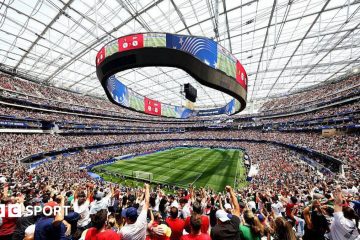
While the financial implications of the World Cup are substantial, the tactical aspect of fan engagement must not be overlooked. In a match or tournament context, the “formation” of fan loyalty and support can dramatically impact a team’s performance. Just as a football team relies on its formation—how players position themselves on the pitch—to create offensive and defensive strategies, so too does the World Cup rely on its fans for support and atmosphere.
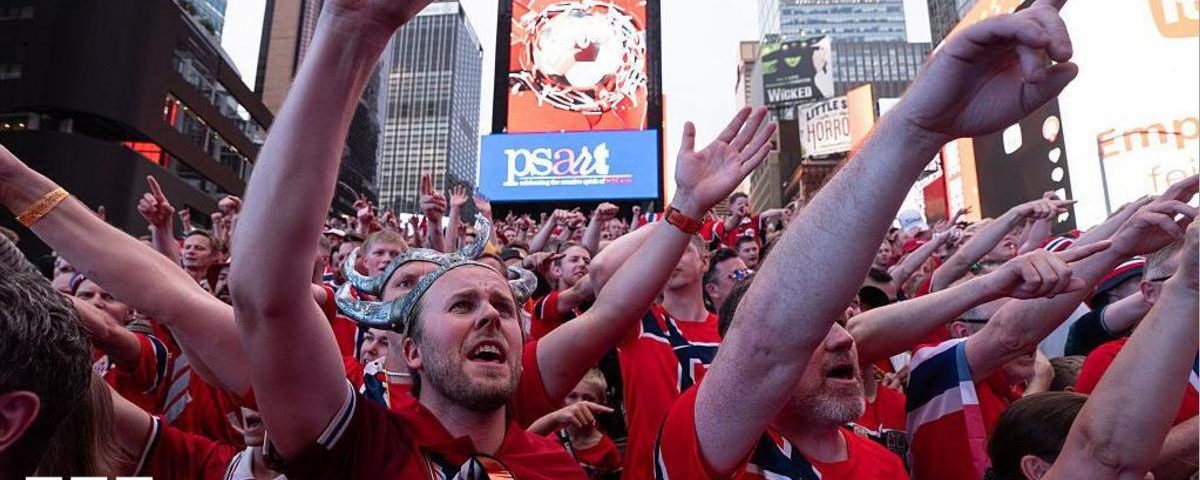
The battle for fan engagement is multifaceted. High prices can create a tactical gap, much like a missing midfielder can disrupt a team’s flow. When fans are unable to afford tickets, the energy in the stadium diminishes, which can impact players’ performances on the field. An engaged and passionate crowd can provide an edge that is often the difference between winning and losing in high-stakes matches.
As we analyze the tactical dynamics at play, it becomes evident that Mayor Mamdani’s stance on fair pricing is not merely a financial consideration; it is a tactical move to ensure that the emotional and energetic support of the fans remains a critical component of the World Cup experience.
From our perspective, the discussions surrounding World Cup profits and ticket prices illustrate a broader issue within sports economics. We believe that the future of sports must lean toward inclusivity, rather than exclusivity. If the trend of inflating ticket prices continues, we may witness a decline in grassroots support for football, as local fans feel increasingly disconnected from the global spectacle.<br />
This situation presents a unique opportunity for governing bodies like FIFA to reassess their pricing structures and consider the potential long-term benefits of cultivating a loyal fan base. By prioritizing fan accessibility, they could foster an environment where attendance and engagement flourish, ultimately leading to a more profound connection between fans and the sport they love.<br />
Moreover, as we look ahead, the ongoing debate about pricing might have implications beyond the World Cup. Other major sporting events, including the Olympics and international tournaments, could find themselves facing similar scrutiny, making it imperative for organizers to learn from this experience and adapt accordingly.
Source: World Cup makes more than enough money – New York mayor Mamdani
Sports News Plus is a news aggregator. We do not own or claim rights to any images, videos, or source content featured on this site. All images and media are the property of their respective original owners and publishers. Article content is independently written based on publicly available news sources, which are credited and linked throughout. Full disclosure →