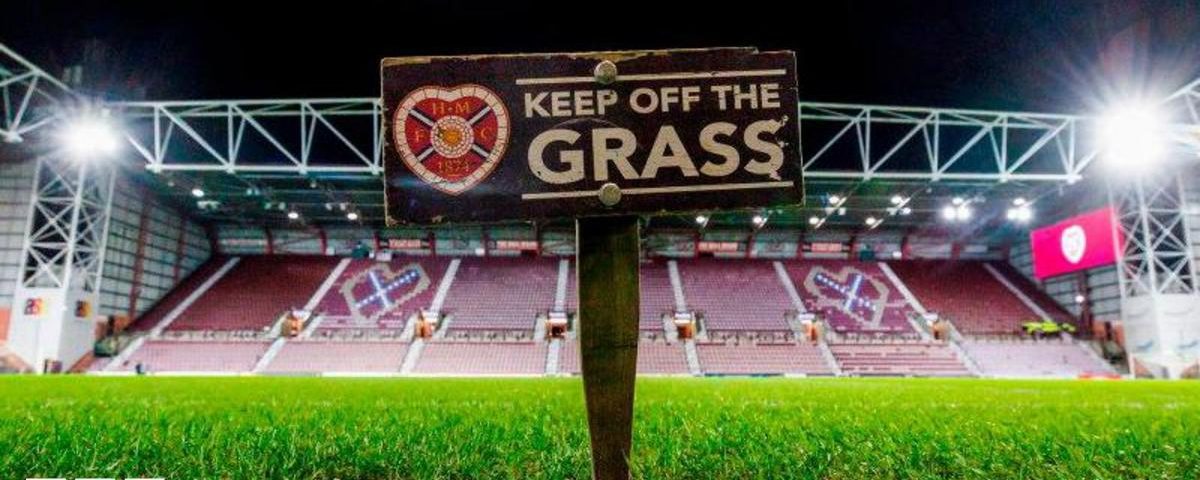
- The Scottish Premiership's post-split fixtures stem from a unique league format aimed at increasing competition.
- Fans have expressed mixed feelings about the split, debating its fairness and impact on their team's chances.
- Social media sentiment reveals a divide among supporters regarding the effectiveness of the split.
- Teams' performance in these fixtures can greatly influence their season, especially for relegation-threatened clubs.
- As the league approaches its climax, the outcome of these matches could reshape the future of clubs and players alike.
The Scottish Premiership is known for its thrilling matches and passionate fans, but the league’s unique structure, particularly the post-split fixtures, often raises questions among supporters. As the regular season concludes in April, the league splits into two groups—one for the title contenders and another for teams fighting relegation. This year’s split has ignited discussions about its implications, with fans eager to understand the rationale behind this decision-making process.
Scottish Premiership: What You Need to Know
The post-split fixtures are determined based on a team’s performance in the first 33 matches of the season. The top six teams compete for the championship while the bottom six battle to avoid relegation. Each team plays five more matches within their group, with fixtures arranged to maximize competitive balance and fan engagement. However, while the intention of enhancing the league’s competitiveness is clear, the execution often leads to controversy and debate.
Fans of clubs in the lower half of the table are particularly affected by the split. For these supporters, each match result is critical, as it directly impacts their team’s chances of survival in the league. Discussions on social media platforms such as Twitter and Facebook have been heated, with some fans arguing that the split is unfair. They contend that it disproportionately affects teams that struggle early in the season, as it limits their opportunities to earn points against lower-ranked teams.
Conversely, fans of clubs in the top half generally view the split as an exciting opportunity. The chance to compete against other top teams in crucial matches often leads to thrilling encounters that keep supporters on the edge of their seats. For these clubs, securing a top position during the final matches can lead to lucrative European competition spots, making each game even more significant.
One of the major debates circulating among fans involves the impact of scheduling on team performance. The post-split fixtures can lead to a congested schedule, particularly for clubs still competing in cup tournaments. This has raised concerns about player fatigue and the risk of injury, which could influence match results as clubs strive for vital points.
Analysis & Key Takeaways
Another angle that fans have been vocal about is the perceived lack of transparency in how the fixtures are decided. Many supporters feel that the process lacks clarity, leading to frustrations when fixtures do not align with their expectations. Social media sentiment indicates that while some fans appreciate the excitement of matchups, others long for a more straightforward system that reflects traditional league formats.
As the Scottish Premiership approaches the climax of the season, the ramifications of the post-split fixtures will become even clearer. For teams battling relegation, every match represents a crucial opportunity to secure their status for the following season. Conversely, those vying for the title will look to seize the moment and capitalize on their chances to secure silverware.
The outcomes of these fixtures will not only determine which teams can lay claim to the championship but will also have a lasting impact on player transfers and club strategies for the next season. Clubs may need to reassess their squads based on performance during this critical juncture, potentially leading to significant changes in the transfer market.
Furthermore, the overall sentiment surrounding the split could influence the league’s image and attractiveness to potential sponsors and broadcasters. If fans continue to express dissatisfaction, it may prompt league officials to reconsider the structure of the fixtures in the future.
In the end, the Scottish Premiership’s post-split fixtures are much more than just a set of matches; they represent a pivotal moment in a season filled with highs and lows. As teams navigate this challenging phase, the reactions from supporters will remain a crucial barometer of their league’s health and direction.
As we reflect on the ongoing discussions surrounding the Scottish Premiership's post-split fixtures, it becomes clear that this structure invokes a passionate response from fans. While the league aims to enhance competition, we believe that the current format may require reevaluation. The divide between top and bottom clubs exacerbated by the split points to a potential imbalance that could undermine the league's integrity.<br />
Looking ahead, we should consider whether more equitable scheduling practices could alleviate some of the discontent. If the league can find a way to foster a more level playing field, it might not only improve fan sentiment but also enhance the overall quality of competition. As the season unfolds, it will be fascinating to see how the outcomes of these fixtures shape the narrative for clubs and their supporters alike.
Source: How are the Scottish Premiership post-split fixtures decided?
Sports News Plus is a news aggregator. We do not own or claim rights to any images, videos, or source content featured on this site. All images and media are the property of their respective original owners and publishers. Article content is independently written based on publicly available news sources, which are credited and linked throughout. Full disclosure →