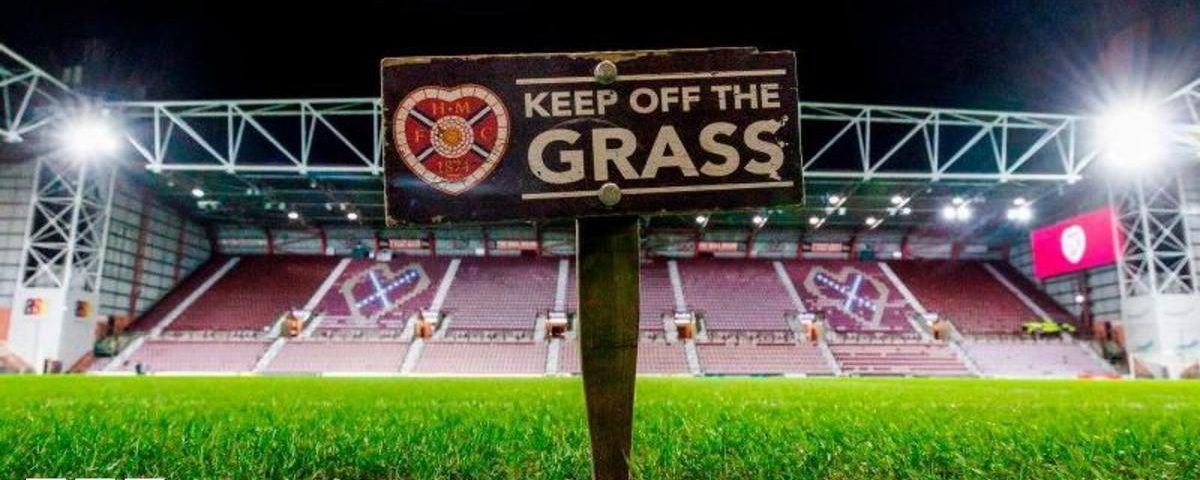
- The Scottish Premiership split has sparked ongoing debate among fans and analysts.
- It divides the league into two groups of teams after 33 matches to determine final standings.
- Match results post-split can drastically impact relegation and European qualification.
- Upcoming fixtures will see intense competition as clubs jockey for crucial points.
- The implications for transfers and player selections will heighten as teams aim for survival or glory.
The Scottish Premiership split is a pivotal moment in the football calendar, occurring after 33 matches are played each season. This season, the split will be in effect from mid-April 2026, dividing the league into two groups: the top six teams competing for the title and European spots, while the bottom six fight to avoid relegation. This format has been a topic of considerable discussion among clubs, fans, and pundits alike, leading to questions about its fairness and effectiveness.
Scottish Premiership split: What You Need to Know
Understanding the mechanics of the Scottish Premiership split is essential to grasp its implications on the match results that follow. After the split, the teams in each group will play each other once more, contributing to the final standings. The stakes are high; while the top teams vie for the championship and lucrative European slots, those at the bottom are battling to remain in the top flight. This dual narrative of aspiration and desperation adds layers of intrigue to the final matches of the season.
The implications of the split extend beyond immediate match results to affect future fixtures and the broader landscape of Scottish football. Clubs in the relegation zone will be particularly eager to improve their form in the final games, as each point can mean the difference between playing in the Premiership or dropping down to the Championship. Conversely, teams in contention for European qualification will be equally focused, knowing that strong performances in these matches can secure their place in international competitions.
As we look ahead to the upcoming fixtures, the anticipation is palpable. Clubs like Celtic and Rangers, who traditionally dominate the league, will face intense pressure to secure their positions. Meanwhile, teams such as St. Johnstone and Livingston will feel the heat as they fight to escape the relegation zone. The match results in these final stages will have a profound impact on team morale, fan engagement, and even future player transfers.
Analysis & Key Takeaways
Speaking of transfers, the split can also influence what happens in the transfer market. Clubs that find themselves fighting relegation may need to reassess their squad depth and look for reinforcements to ensure their survival. This could lead to last-minute signings in the transfer window, as desperate teams seek to bolster their ranks. On the other hand, clubs aiming for European spots may be looking to offload players to create space for new signings that can elevate their chances for success.
Moreover, the Scottish Premiership split places a spotlight on player selections as coaches strategically navigate their lineups in the closing weeks of the season. Managers must make tough decisions, balancing the need for experienced players who can handle pressure with the desire to give younger talents a chance to shine. The outcomes of these decisions could significantly impact match results and, ultimately, the direction of each club as they head into the off-season.
Fans, too, play a crucial role in this narrative. Their expectations will surge or wane based on the outcomes of these pivotal fixtures. Supporters of clubs in contention for the title will expect their teams to deliver commanding performances, while those in the relegation fight will hope for resilience and tenacity in the face of adversity. The emotional rollercoaster that unfolds as the season reaches its climax is a testament to the passion that characterizes Scottish football.
As we delve deeper into the implications of the Scottish Premiership split, it becomes clear that the ramifications extend beyond just match results. The outcomes will ripple through the ranks of teams, affecting future fixtures, transfer strategies, and the overall competitive landscape of the league. With the pressure mounting and stakes higher than ever, the final matches of the season will be a thrilling spectacle for fans and players alike.
What happens next in the Scottish Premiership will not only determine the fate of teams but also shape the future of the league itself. As clubs look to solidify their positions or mount a late charge for glory, the coming weeks will be critical. The narrative of survival and ambition will intertwine, making every match a potential turning point.
We believe the split will continue to be a contentious issue in the Scottish Premiership, particularly as it affects the competitive balance between clubs. While many argue that it adds excitement to the end of the season, the reality is that it can create disparities that leave certain teams at a disadvantage. Our view is that the league should consider revisiting its format to ensure a more equitable distribution of opportunities across all teams.<br />
Looking ahead, the fallout from the split could influence not only the immediate transfer market dynamics but also the strategies employed by clubs in the coming seasons. With increased scrutiny on player performance and team potential, we could see a shift in recruitment patterns that prioritize versatility and adaptability—traits that will be essential in navigating the pressures of the split format.
Source: How are the Scottish Premiership post-split fixtures decided?
Sports News Plus is a news aggregator. We do not own or claim rights to any images, videos, or source content featured on this site. All images and media are the property of their respective original owners and publishers. Article content is independently written based on publicly available news sources, which are credited and linked throughout. Full disclosure →