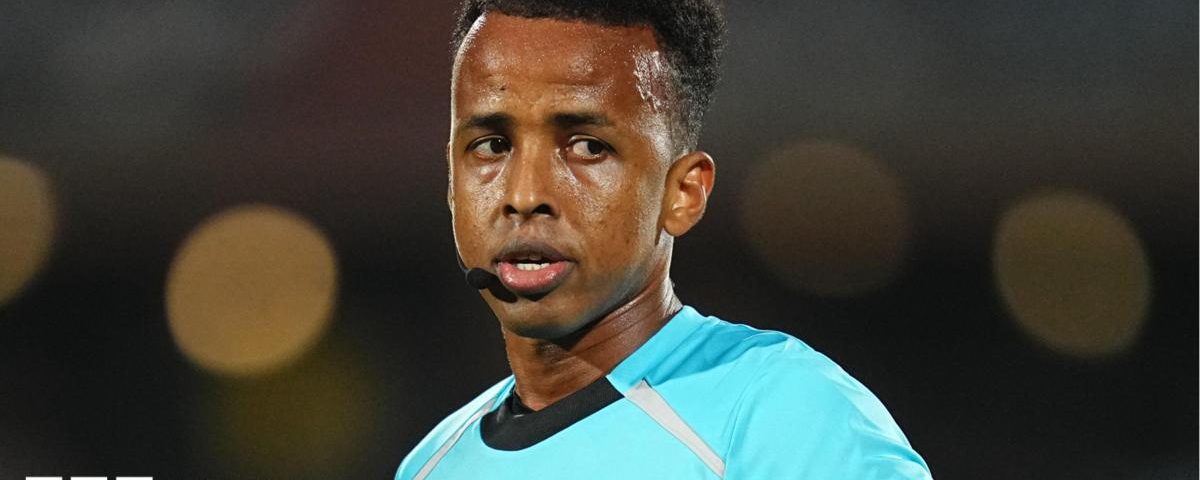
- Somali referee Omar Artan has been barred from entering the United States for the World Cup.
- Artan was set to be the first referee from Somalia to officiate at the finals.
- The decision has ignited a wave of fan reactions across social media platforms.
- Supporters are debating the implications for their teams and the broader significance for African officiating.
- This incident may impact referee selection in the future as FIFA navigates international entry regulations.
In a surprising turn of events, Somali referee Omar Artan has been denied entry to the United States, where he was slated to make history as the first official from Somalia to officiate at a World Cup finals match. The announcement came on June 8, 2026, just days before the tournament’s commencement, leaving many fans and football officials questioning the implications of this decision for both Artan and the tournament itself.
Somali referee: What You Need to Know
Artan’s journey to this moment is significant in multiple ways. As a product of Somalia, a nation that has faced its share of challenges, his appointment to the World Cup was seen as a breakthrough not just for him personally but for the representation of African nations in global football. However, the barriers he now faces underscore the complexities that accompany international sport, particularly in light of current geopolitical climates and regulations regarding entry into the United States.
Fan reactions have been swift and vociferous across various platforms. Social media has erupted with hashtags supporting Artan, with many fans expressing disappointment at what they perceive as an unjust decision. Comments on Twitter and Facebook reveal a mixture of outrage and solidarity, with supporters rallying behind Artan and debating the broader implications for African referees and their representation in global tournaments.
The sentiment among fans is not just limited to support for Artan; discussions are also focused on how this decision affects their teams’ prospects in the World Cup. Many supporters are concerned about the impact of officiating on match results, questioning whether this incident might lead to a less diverse pool of referees officiating vital matches. The stakes are high, and for fans of teams competing in the tournament, the integrity of match results is paramount.
Analysis & Key Takeaways
Moreover, some fans are using this situation as a springboard to discuss the need for systemic changes within FIFA. The debate often shifts from Artan’s personal predicament to the larger topic of how African nations are represented and treated in international football. The narrative is evolving, as support for Artan morphs into calls for accountability within FIFA to ensure that such barriers do not stifle opportunities for talented referees from underrepresented regions.
As fans dissect the implications of Artan’s exclusion, they also reflect on how the decisions of governing bodies like FIFA can resonate throughout entire footballing communities. This incident has opened the floodgates for discussions around officiating standards, diversity in sports, and the need for more inclusive practices that reflect the global nature of football.
The loss of Artan from the World Cup also raises questions about the selection process for referees. If a referee as promising as Artan can face such barriers, how many other talented officials may be overlooked due to similar issues? This could potentially lead to a homogeneity among referees that does not reflect the rich tapestry of players on the pitch, an aspect that many fans are passionate about preserving.
As the World Cup progresses, the discussions surrounding Omar Artan’s situation are likely to continue evolving. Fans are more than just passive spectators; they are increasingly vocal about how their sport is governed and the narratives that shape it. The World Cup is not just a tournament; it is a stage upon which stories like Artan’s unfold, capturing the hearts and minds of millions.
In conclusion, while Omar Artan may be barred from officiating at the World Cup, the conversations sparked by his exclusion are far-reaching. Fans are uniting to advocate for change, to ensure that future generations of referees from Somalia and beyond have the opportunity to shine on the international stage, and that the match results of the World Cup reflect not just the teams’ prowess, but also the fairness and integrity of the officiating.
As we reflect on the implications of Omar Artan's exclusion from the World Cup, it's clear that this incident highlights a significant issue within international sports. The barriers faced by referees from underrepresented regions are not just administrative; they reflect deeper systemic challenges that need to be addressed. We believe that Artan's situation may serve as a catalyst for change, urging FIFA and other governing bodies to reevaluate their policies regarding referee selection and international travel.<br />
Moreover, this incident could spark a broader movement among fans and stakeholders to demand greater diversity and representation in officiating. The outcry from fans suggests that they are increasingly aware of the narratives at play in football, and they are not afraid to voice their concerns. As the football community continues to advocate for a more inclusive approach to officiating, we may see a shift in how referees from diverse backgrounds are supported and empowered in the future.
Source: Somali referee Artan barred from entering USA
Sports News Plus is a news aggregator. We do not own or claim rights to any images, videos, or source content featured on this site. All images and media are the property of their respective original owners and publishers. Article content is independently written based on publicly available news sources, which are credited and linked throughout. Full disclosure →