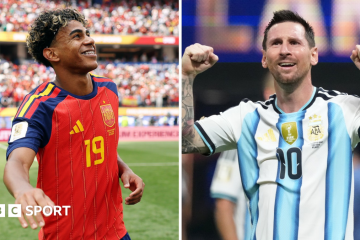
- The ranking of World Cup finals allows us to appreciate the tactical geniuses behind iconic matches.
- Formations and strategies used by teams often dictate match results and impact the game's flow.
- The legacy of players like Pelé and Messi is intertwined with their tactical effectiveness in crucial moments.
- Understanding historical matches can inform current Premier League tactics and player transfers.
- Future World Cups will continue to evolve, making tactical analysis crucial for fans and analysts alike.
The World Cup finals have long captivated fans around the globe, presenting a unique blend of sportsmanship, drama, and tactical brilliance. The BBC Sport’s recent ranking of these iconic matches, which includes memorable moments like Pelé’s performance in 1970 and England’s triumph on home soil in 1966, serves as an excellent starting point for a deeper analysis. Each final represents a confluence of strategy, player skill, and the ability to adapt under pressure, making them a treasure trove for football aficionados looking to understand the intricacies of the game.
A closer examination reveals that behind each celebrated moment lies a web of tactical decisions and formations that shaped the match result. For instance, Brazil’s 1970 final against Italy not only marked a high point of Pelé’s career but also showcased the tactical freedom that coach Mário Zagallo afforded his players. This approach emphasized fluidity and creativity, allowing Brazil to exploit the weaknesses of a more rigid Italian side.
In contrast, England’s 1966 final was defined by a more structured approach under coach Alf Ramsey. Known for his tactical acumen, Ramsey employed a 4-4-2 formation that balanced defensive solidity with attacking prowess. The key battles in that match, particularly in midfield, highlighted how Ramsey’s strategy neutralized the threats posed by West Germany, leading to a decisive 4-2 victory after extra time.
The Tactical Breakdown of Iconic Finals
When we delve into the tactical breakdown of these iconic World Cup finals, we begin to see patterns that can be applied to modern football, including the Premier League. The systems employed by these legendary teams reveal how formations directly affect match results. Take Argentina’s 1986 final against West Germany; coach Carlos Bilardo opted for a well-organized 3-5-2 formation. This setup allowed Diego Maradona to operate in spaces where he could influence the game without being too heavily marked, ultimately leading to Argentina’s memorable 3-2 victory.
The key battles in these finals often lie in the midfield. The ability of a team to dominate possession and dictate the pace of the game is crucial. This was evident in the 2014 final, where Germany’s pressing game disrupted Argentina’s build-up play. Joachim Löw’s side exemplified the modern tactical approach of high pressing and quick transitions, which has since influenced numerous Premier League teams.
Understanding these tactical dimensions is vital as we look at current and future player transfers. For example, a player’s fit within a team’s tactical framework can determine their success or failure. A player known for their dribbling skills may excel in a fluid attacking system, akin to Brazil’s tactics in the 1970 final, while the same player may struggle in a more rigid tactical setup.
Looking Ahead: The Future of World Cup Tactics
As we reflect on these legendary finals, we must also consider the evolution of football tactics leading into future World Cups. The ever-changing landscape of the game means that teams must continually adapt. The rise of data analytics and the emphasis on science in training are changing how teams prepare for high-stakes matches, including World Cup finals.
These finals also serve as a reminder of the importance of nurturing young talent who can understand and implement various tactical roles. As the Premier League continues to be a melting pot of diverse playing styles, the lessons learned from past World Cup successes will undoubtedly inform player development and scouting decisions.
The beauty of football lies not just in the goals scored but in the strategies employed to achieve those results. As we look forward to the next World Cup, we anticipate witnessing new tactical innovations that may one day find themselves ranked among the great finals of history.
In our view, the ongoing fascination with World Cup finals transcends simple match results; it reflects the intricate dance of tactics and player psychology that defines football. As teams evolve, understanding the tactical underpinnings of these iconic matches can offer invaluable insights for coaches and players alike. We believe that future tournaments will see a greater emphasis on adaptability and fluidity in formations, mirroring trends we currently witness in the Premier League.<br />
Moreover, the continuous analysis of these great finals can influence how clubs approach player transfers, ensuring they acquire talents who fit their evolving tactical vision. By learning from the past, clubs can forge a path toward future success, ensuring that the legacy of football's greatest matches continues to inspire generations of players and fans.
Source: Pele at the Azteca? England in '66? Ranking the best World Cup finals
Sports News Plus is a news aggregator. We do not own or claim rights to any images, videos, or source content featured on this site. All images and media are the property of their respective original owners and publishers. Article content is independently written based on publicly available news sources, which are credited and linked throughout. Full disclosure →