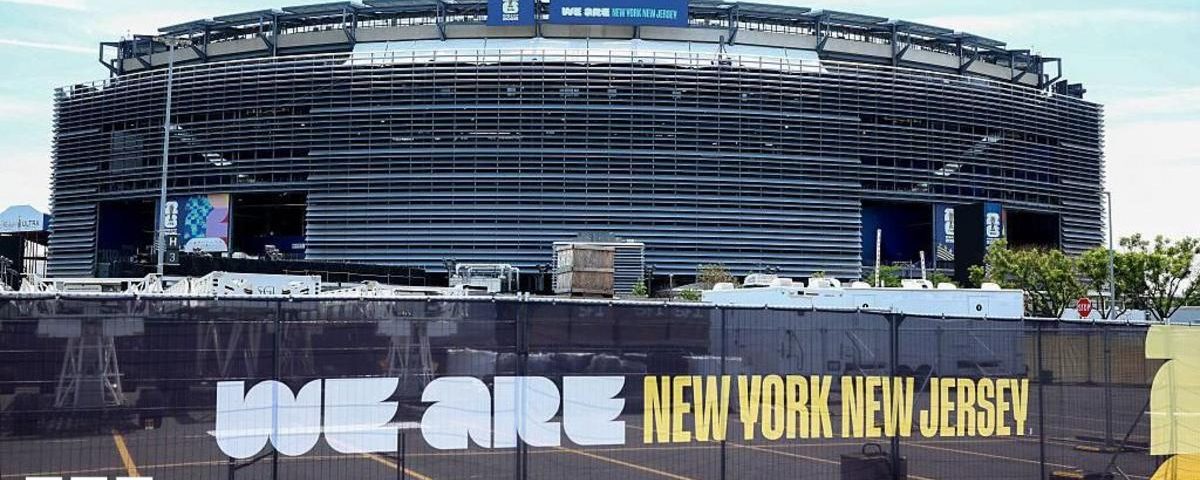
- MetLife Stadium has been chosen to host the World Cup final in 2026.
- The decision has sparked debate regarding its suitability compared to other venues.
- Historical precedents highlight mixed outcomes for stadium selections.
- The choice could impact the perception of North American football.
- Future World Cup venues may be evaluated more critically based on this decision.
On July 18, 2026, MetLife Stadium will host the World Cup final, a decision that has generated a wave of discussion among football fans and analysts alike. This landmark event not only marks a significant moment for the stadium itself, situated in East Rutherford, New Jersey, but also draws attention to the broader implications for North American football. With other venues such as the Rose Bowl and Hard Rock Stadium vying for the spotlight, the question remains: is MetLife the right choice for this prestigious match?
World Cup final: What You Need to Know
MetLife Stadium, with a capacity of over 82,000, stands out as one of the premier venues in the United States. However, it faces criticism for its perceived lack of character compared to older stadiums that have hosted major finals. The term “blah” has been used to describe its aesthetic appeal, igniting debates about whether the venue can capture the essence of a World Cup final. Critics argue that the stadium’s design and location may not evoke the passion and history typically associated with such a monumental event.
To better understand the implications of this decision, we must delve into the historical context of past World Cup final venues. Has a similar scenario occurred in previous tournaments? Indeed, it has. Looking back at the 2010 World Cup final held at Soccer City in Johannesburg, South Africa, we see a prime example of a stadium that was both architecturally striking and culturally significant. The match result that day—Spain defeating the Netherlands—was celebrated not only for the football but also for the showcase of an iconic venue that told a story of its own.
In contrast, the 1994 World Cup final at the Rose Bowl in Pasadena, California, exemplified a different narrative. While the match result—a penalty shootout victory for Brazil over Italy—was thrilling, the venue itself was criticized for lacking the intimacy and atmosphere of older stadiums. Even as the Rose Bowl is celebrated for its history, the 1994 final highlighted how a venue’s character can influence the experience of such a pivotal moment in football.
Analysis & Key Takeaways
This brings us to a critical comparison: how will MetLife Stadium fare in this regard? While the venue boasts state-of-the-art facilities and ample seating, its modern design may lack the emotional resonance that fans hope for during a World Cup final. In a sport rich with tradition, the choice of host venue can significantly sway the atmosphere and overall experience, which are crucial during such an important match.
Additionally, we must consider the ongoing evolution of football’s popularity in North America. With the Premier League’s growing influence and the increasing number of international transfers involving North American players, events like the World Cup final become pivotal in shaping the future of the sport in the region. If MetLife Stadium succeeds in creating a compelling atmosphere, it might bolster grassroots support for football, leading to increased attendance and engagement at local matches.
Conversely, if the venue fails to deliver an experience that resonates with fans, it could have the opposite effect, leading to skepticism about the future of football in North America. The implications would extend beyond merely one match result; they could shape the narrative for upcoming tournaments and the sport’s growth in this vibrant market.
Looking ahead, the choice of MetLife Stadium serves as a litmus test for how future World Cup venues will be evaluated. Stakeholders, including FIFA and local organizing committees, may take cues from this decision as they plan for future tournaments. The historical context of venue selections indicates that the landscape of football can be profoundly affected by the perceived quality and character of its host sites.
In summary, while MetLife Stadium will take center stage during the 2026 World Cup final, the ongoing discussions surrounding its suitability highlight a broader need for venues that not only accommodate but also inspire. The outcome of this final may very well set the tone for how football is perceived and enjoyed in North America for years to come.
As we reflect on MetLife Stadium's selection to host the World Cup final, it's essential to recognize that venue choice is more than a practical decision; it's a cultural statement. Our view is that the stadium's contemporary design could either enhance or hinder the emotional gravity of the final. While modern facilities are crucial, they cannot replace the historical and cultural connections that older stadiums provide.<br />
We believe that the success of this event will set a precedent for future World Cup selections in North America. If MetLife is able to instill an unforgettable atmosphere, it may pave the way for more modern venues to host significant events. Conversely, a lackluster experience could lead to a reassessment of how stadiums are chosen, emphasizing the need for character and history in future selections.
Source: A bit 'blah' or a worthy host? Is MetLife right World Cup final choice?
Sports News Plus is a news aggregator. We do not own or claim rights to any images, videos, or source content featured on this site. All images and media are the property of their respective original owners and publishers. Article content is independently written based on publicly available news sources, which are credited and linked throughout. Full disclosure →