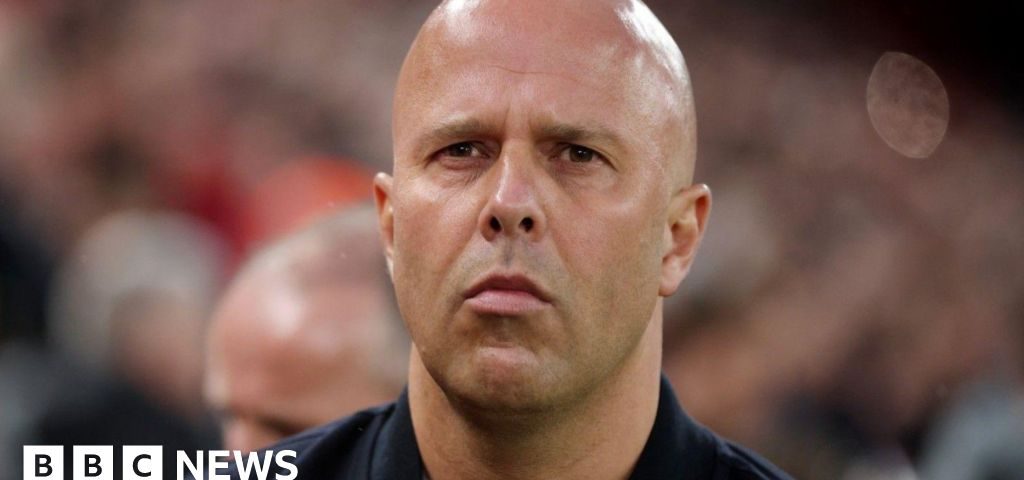
- Liverpool's manager has expressed disappointment over the stalled Hillsborough Law.
- He emphasized that families should not have to fight for the truth regarding their loved ones.
- The Hillsborough disaster remains a painful chapter in football history, influencing calls for reform.
- Previous campaigns for justice in football have seen varying degrees of success.
- The outcome of this issue could reshape the relationship between football clubs and fan communities.
On April 15, 2026, Liverpool’s manager expressed his surprise and disappointment that the Hillsborough Law has not yet been passed, a legislative measure aimed at ensuring justice for families affected by the tragic events at Hillsborough Stadium in 1989. This commentary comes amidst ongoing discussions about accountability and transparency in the wake of devastating incidents in football history. The Hillsborough disaster resulted in the deaths of 96 Liverpool fans, and the quest for justice has been a protracted struggle. The manager’s remarks highlight the urgency of this issue, as he believes families should not have to fight for the truth of how their loved ones died.
Hillsborough Law: What You Need to Know
The Hillsborough Law aims to hold public authorities accountable for their actions during tragedies. It represents a broader movement towards demanding greater transparency and justice in the realm of sports, where fan safety and wellbeing should be prioritized. The failure to pass this legislation not only prolongs the pain of the bereaved families but also poses questions about the responsibility of governing bodies in football, such as the Premier League and the Football Association.
Historical Context
This isn’t the first time that football has witnessed the grief of families seeking justice after a tragedy. The aftermath of the Bradford City fire in 1985, which claimed 56 lives, serves as a cautionary tale. The inquiry into that incident led to significant changes in stadium safety regulations, but it took years for the families to see any form of justice. The struggle for accountability has often been a long and arduous journey, marked by a slow-moving legal process and the need for public pressure to instigate change.
Likewise, the Heysel Stadium disaster in 1985, where 39 fans lost their lives, highlighted the inadequacies in crowd control and safety measures. The legal ramifications and the resulting changes in regulations took years to materialize, with many families left feeling that justice was scarce. These historical precedents illustrate a troubling pattern where legislative change often lags behind the public’s demand for accountability.
Analysis & Key Takeaways
What does history tell us about what might come next? In cases like Hillsborough, the mobilization of public sentiment and the unwavering resolve of affected families have often been pivotal in pushing for reform. The collective memory of such tragedies tends to spur grassroots movements, as seen in the campaigns for justice for the Hillsborough victims, which have been relentless over the decades.
The current landscape is ripe for a renewed push towards the passage of the Hillsborough Law. The mounting pressure from Liverpool’s manager and other influential voices in football could inspire a shift in political will, akin to the changes that emerged after the initial campaigns for justice following the aforementioned disasters. If history serves as a guide, sustained advocacy could eventually lead to the legislative reforms that many have long sought.
As the Premier League continues to grow in global stature and commercial success, the need for a framework that prioritizes the safety and rights of fans has never been more pressing. The tragic lessons of the past loom large over the football world, and the ongoing fight for the Hillsborough Law is emblematic of a broader struggle for justice and accountability in sports.
The intersection of football and social justice highlights the critical role that sport plays in society, serving as both a source of entertainment and a platform for advocacy. The outcome of this legislative effort could redefine the relationship between football clubs and their supporters, creating a culture that values transparency and prioritizes the wellbeing of fans.
It is clear that the sentiments expressed by Liverpool’s manager resonate not only with the club’s supporters but with all those who believe in justice for victims of sporting tragedies. The road ahead may be fraught with challenges, but the pursuit of truth and accountability is a battle worth fighting.
As a collective, we are struck by the gravity of Liverpool's manager's statements regarding the stalled Hillsborough Law. His comments serve as an important reminder of the ongoing struggle for justice within football. It is our view that the passage of this legislation is not merely a legal formality; rather, it is crucial for restoring faith in the governing structures of the sport.<br />
We believe that historical parallels should galvanize current efforts. The tragedies of the past show us that public pressure can lead to meaningful change. The spotlight on this issue is not just about the Hillsborough disaster, but about ensuring that no family in the future will have to endure a similar fight for truth. If the Hillsborough Law is passed, it could set a precedent for how tragedies are handled in the sport, leading to greater accountability and a commitment to fan safety.<br />
The upcoming months will be critical. Following the manager's comments, we anticipate a renewed push from fans, advocacy groups, and political leaders alike to see this law enacted. The outcome could reshape not only Liverpool's history but also the broader landscape of how football clubs engage with their communities and uphold their responsibilities to fans.
Source: Liverpool boss Slot 'surprised' Hillsborough Law not yet passed
Sports News Plus is a news aggregator. We do not own or claim rights to any images, videos, or source content featured on this site. All images and media are the property of their respective original owners and publishers. Article content is independently written based on publicly available news sources, which are credited and linked throughout. Full disclosure →