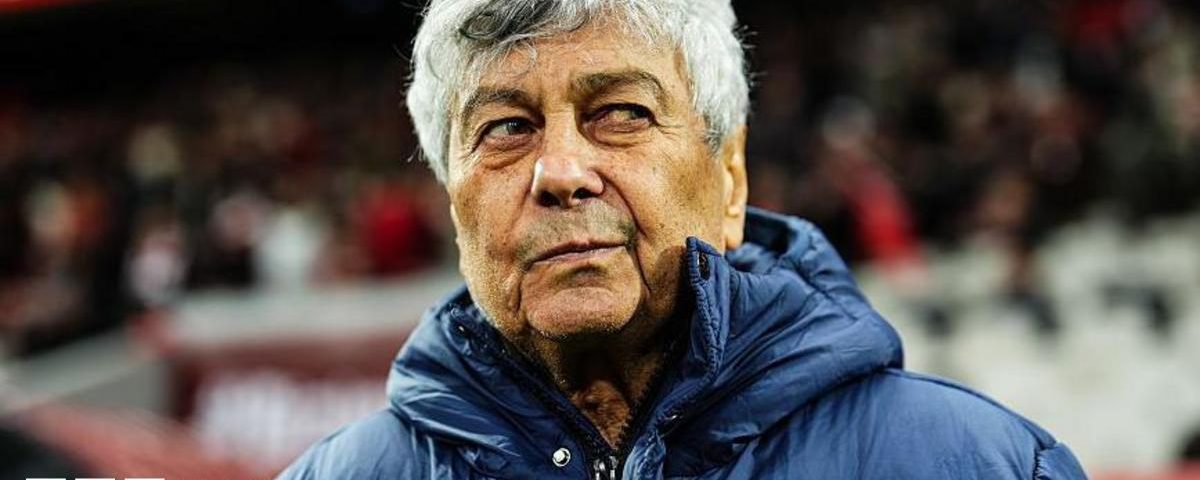
- Mircea Lucescu, a legendary figure in football management, passed away at the age of 80.
- His death occurred only five days after resigning as Romania's head coach.
- Lucescu is celebrated for his transformative impact on clubs like Shakhtar Donetsk and Galatasaray.
- Comparisons can be drawn to the passing of other legendary figures in football, such as Sir Bobby Robson.
- His legacy will continue to influence future generations of coaches and players alike.
Mircea Lucescu, the iconic football manager who shaped the landscape of European football, has died at the age of 80. The news came just five days after he stepped down from his position as head coach of the Romania national team. His death has left a profound void in the football community, reflecting not only on his contributions to the sport but also on the personal connections he fostered throughout his illustrious career.
Mircea Lucescu: What You Need to Know
Born on July 29, 1945, in Bucharest, Romania, Lucescu began his career as a player before transitioning into management. His coaching journey spanned several decades, taking him through multiple countries and clubs, where he achieved remarkable success. Renowned for his tactical acumen and ability to nurture young talent, he became a household name in football, particularly during his time at clubs like Shakhtar Donetsk, where he won numerous domestic and international titles.
His influence on the game is undeniable, and his passing raises questions about the future of the teams he managed and the players he developed. With a career that lasted over 50 years, Lucescu’s legacy is intertwined with the evolution of football tactics and player development approaches. As we delve deeper into the historical context of managerial departures and deaths in the sport, we can find parallels that illuminate the broader implications of Lucescu’s passing.
Historical Context
Mircea Lucescu’s death is not the first time the football world has mourned a legendary manager shortly after their resignation or departure from a prominent role. Historical instances, such as the passing of Sir Bobby Robson in 2009 just months after he left his managerial position at Newcastle United, draw striking comparisons. Robson, like Lucescu, was revered for his contributions to the game, and his death sparked a significant reflection on his impact.
Analysis & Key Takeaways
Similarly, the unexpected passing of iconic managers often sends shockwaves through the sport, prompting discussions about their legacies and the future of their respective teams. For instance, the death of former Manchester United manager Matt Busby in 1994 led to a renewed sense of purpose for the club, eventually culminating in the emergence of a new generation of talent that would restore the team’s former glory through the likes of Sir Alex Ferguson.
Lucescu’s influence on football was not limited to his managerial roles. He played a key role in shaping the careers of countless players, integrating tactical innovations that are now staples in modern coaching. His ability to adapt and evolve with the game has set a precedent for future managers. The way teams respond to the loss of a figurehead can significantly influence their trajectory, both on and off the pitch.
The ongoing impact of Lucescu’s legacy can be seen in the transfer market, especially concerning Romanian players and those who played under his guidance. His death may trigger movements, with clubs looking to secure the next generation of talent that mirrors his vision for the game, akin to how clubs responded to past legends’ departures. The ripple effect could result in a renewed focus on nurturing homegrown talent and a shift in how clubs approach player development.
Looking ahead, the football community must grapple with the loss of Lucescu and what it signifies for the future. His approach to the game set a benchmark that many aspire to reach, and as teams redefine their strategies, they may seek to honor his memory by upholding the standards he established. The match results and goals scored under his guidance will forever be etched in the annals of football history, but the real test will be how his teachings and methodologies continue to resonate in the sport.
As fans and pundits reflect on Lucescu’s life, the discussions around his contributions will undoubtedly surface in managerial decisions and player transfers in the coming months. The football world will be watching closely, awaiting the next chapter in the legacy of Mircea Lucescu and the impact of his passing on the beautiful game.
In our view, the recent passing of Mircea Lucescu serves as a crucial reminder of the impermanence of life and the enduring legacies that legendary figures leave behind. While the immediate reaction may be rooted in sadness, it is essential to recognize how such events can galvanize clubs and players to strive for greater achievements. Lucescu’s death could be a catalyst for Romanian football and beyond, inspiring a new wave of coaches and players to emulate his commitment to excellence.<br />
Moreover, we can anticipate a period of reflection among current managers and players, as they consider their own legacies in light of Lucescu's contributions. Just as the football community rallied around the memory of Sir Bobby Robson, we expect to see similar tributes and initiatives honoring Lucescu’s impact. The question remains: how will this loss shape the future of management styles and player development? Only time will tell, but one thing is certain—his influence will continue to echo through the halls of football long after his passing.
Source: Legendary manager Lucescu dies fives days after resigning as Romania coach
Sports News Plus is a news aggregator. We do not own or claim rights to any images, videos, or source content featured on this site. All images and media are the property of their respective original owners and publishers. Article content is independently written based on publicly available news sources, which are credited and linked throughout. Full disclosure →