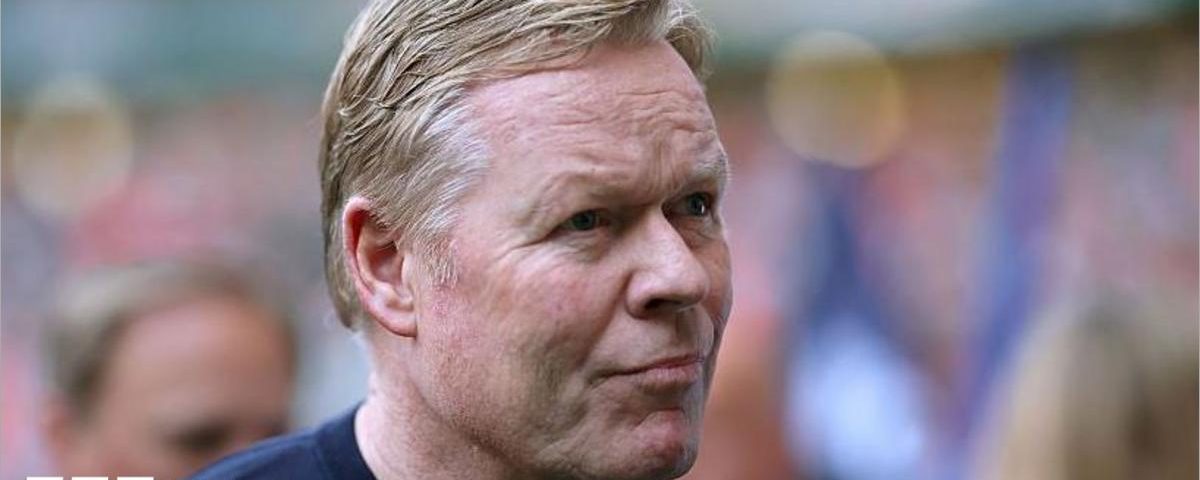
- Ronald Koeman has resigned as manager following the Netherlands’ World Cup exit.
- The team faced severe criticism and racist abuse directed at players after missed penalties.
- Upcoming fixtures may be impacted by the change in leadership and player morale.
- The resignation raises questions about the squad's future selections and transfers.
- Fan expectations will shift as the team looks for new leadership and direction.
Koeman resigns Ronald Koeman has officially resigned as the manager of the Netherlands national football team following their disappointing exit from the World Cup. The announcement came on June 30, 2026, and has sent shockwaves through the Dutch football community. The team’s early exit from the tournament was compounded by “appalling” racist abuse directed towards players who missed crucial penalties during the knockout stages. The incident has not only sparked outrage among fans and pundits but has also raised questions about the future direction of Dutch football.
Koeman resigns: What You Need to Know
Koeman’s tenure was marked by a blend of success and challenges. He was tasked with rejuvenating a squad that had experienced a dip in form after previous highs. However, the recent match results during the World Cup did not meet fan expectations, leading to mounting pressure on the manager. The backlash from players’ performances, particularly those who faced racist abuse, has brought to light the darker side of football fandom, which needs to be addressed urgently.
As we look ahead, the resignation of Koeman signifies a pivotal moment for the Netherlands national team. The Dutch Football Association (KNVB) must now navigate these turbulent waters carefully, as the implications of this change extend far beyond the managerial role.
Upcoming fixtures, including the UEFA Euro 2028 qualifiers, will undoubtedly be influenced by this managerial shift. The Netherlands’ next competitive matches will be scrutinized closely, as fans will be eager to see how the team responds in the wake of Koeman’s departure. With a new manager at the helm, players may feel a renewed sense of purpose or, conversely, a sense of instability. This transitional phase could significantly affect the team’s standings in the qualifying group, putting added pressure on the players to perform.
Analysis & Key Takeaways
Additionally, the change in management could lead to potential transfers and selections that reshape the squad. New leadership often brings new philosophies and strategies, which can result in dramatic alterations to player roles. Talented young players who may have been overlooked under Koeman could now find themselves in contention for a place in the squad. This also opens up discussions regarding established players who may no longer fit into the new system, potentially leading to transfer activity in the upcoming windows.
Fan expectations will also shift dramatically in light of this news. Supporters who were disillusioned after the World Cup exit will be eager for signs of progress, and the next appointment will be crucial in restoring faith in the national team. The new manager will need to address both the immediate fallout from the World Cup and the ongoing issues of player welfare, especially in light of the racist abuse that has marred recent events.
The upcoming season in the Premier League will also see its share of implications as players who are part of the national setup may have to manage expectations both at their clubs and for the national team. The interplay between club commitments and national pride will be a delicate balancing act for many players, especially as they adapt to any tactical shifts from the new manager.
As the KNVB begins its search for a new manager, they will need to prioritize candidates who not only have a successful track record but also a strong understanding of player welfare and inclusivity. The ongoing discussions surrounding racism in football must be front and center of any future strategy, as the federation seeks to create a safe and supportive environment for all players.
In conclusion, the resignation of Ronald Koeman as manager of the Netherlands national team opens a new chapter filled with uncertainty, but also potential. The responses to the upcoming fixtures, the management of player selections, and the broader conversation regarding racism in football will all shape the future of Dutch football. The next steps taken by the KNVB will be crucial in determining whether this pivotal moment can serve as a catalyst for positive change or merely a footnote in a long-term rebuilding process.
In our view, Koeman's resignation could serve as a necessary catalyst for change within the Netherlands football team. While the immediate fallout may seem daunting, it offers an opportunity for fresh ideas and perspectives to take root in the squad. The need for a strong and inclusive leader has never been more pressing, especially in light of the recent incidents of racial abuse. We believe that the next appointment must prioritize not just tactical acumen but also the mental well-being of the players.<br />
Moreover, the upcoming fixtures will serve as a litmus test for the new manager's impact. If the team can rally together and produce positive match results in the Euro qualifiers, it could signify a turning point in rebuilding the national team's identity. The focus must shift from the past disappointments to a forward-looking approach that embraces both talent and diversity, setting the stage for a more resilient and united squad.
Source: Koeman resigns, while Netherlands report racist abuse
Sports News Plus is a news aggregator. We do not own or claim rights to any images, videos, or source content featured on this site. All images and media are the property of their respective original owners and publishers. Article content is independently written based on publicly available news sources, which are credited and linked throughout. Full disclosure →