- The Iranian Football Federation has submitted ten conditions to FIFA for World Cup participation.
- These conditions aim to secure assurances regarding player safety and representation.
- The demands come in the context of Iran's difficult political climate and recent controversies.
- Tactical considerations suggest a focus on defensive formations to maximize their competitive edge.
- The outcome of these negotiations could significantly influence Iran's performance in upcoming international matches and tournaments.
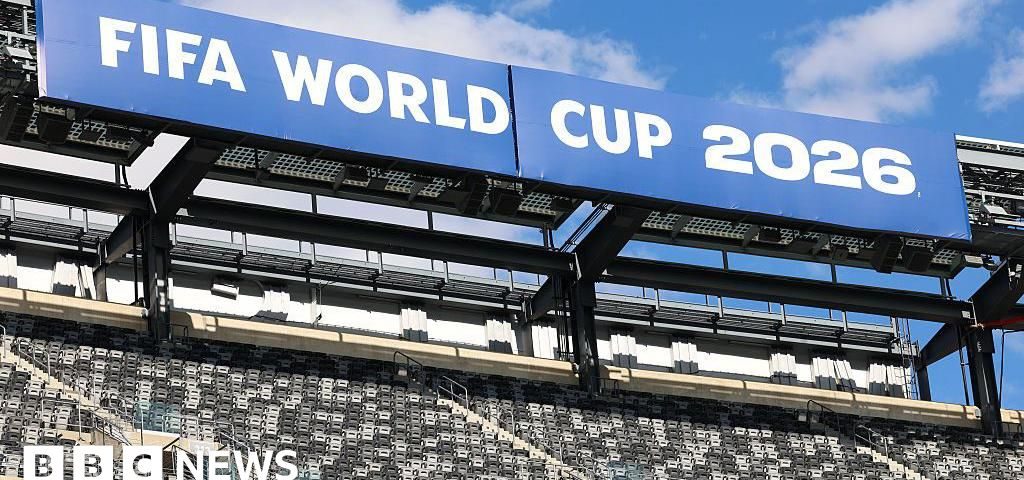
World Cup participation The Iranian Football Federation (FFIRI) has recently made headlines by presenting FIFA with ten specific conditions for their participation in the upcoming World Cup set to be held in the United States, Mexico, and Canada in 2026. This call for guarantees comes amidst a backdrop of political tensions, making the situation both urgent and complex. With the tournament just a few years away, the implications of these demands could reverberate through Iran’s football landscape and affect their preparation leading up to the event.
World Cup participation: What You Need to Know
Among the ten conditions set forth by the FFIRI, key issues include player safety, representation rights, and assurances regarding the treatment of athletes during the tournament. The federation’s demands reflect not only a desire for a more secure environment but also an acknowledgment of the challenges faced by Iranian players on the international stage. This situation highlights the intersection of sport and politics, where athletes often find themselves navigating a landscape fraught with external pressures.
As we consider the tactical implications of Iran’s potential participation in the World Cup, it is essential to analyze how these demands could shape their approach on the pitch. Should Iran secure their spot in the tournament, the psychological and physical state of their players will be paramount in determining their match results. The strategic choices made by the coaching staff will be influenced by the federation’s conditions, impacting their formation and overall game plan.
Iran has historically favored a defensive style of play, often deploying formations such as the 4-4-2 or 5-4-1 to emphasize solidity at the back. This tactical setup allows them to absorb pressure and hit opponents on the counterattack, leveraging the speed of their wingers and the creativity of their midfielders. However, if the conditions set by the FFIRI create an atmosphere of uncertainty or unrest, it could lead to a more cautious approach, potentially stifling the natural attacking flair seen in players like Sardar Azmoun or Alireza Jahanbakhsh.
The key battles on the field will likely center around the midfield, where Iran will need to assert control against stronger teams in their group. If they can secure possession and disrupt the opponent’s rhythm, it could lead to critical goals and ultimately favorable match results. Yet, if the political situation remains unresolved, it could create a psychological gap that hinders player performance and cohesion on the field.
Analysis & Key Takeaways
Looking ahead, the ramifications of these demands extend beyond the World Cup itself. Should Iran’s conditions be met, it could signal a turning point for the country’s footballing ambitions, fostering a more supportive environment for players. Conversely, if the situation remains precarious, it may lead to underwhelming performances that affect not only their World Cup campaign but also their standing in the global football community.
As the countdown to the World Cup continues, the world will be watching how these negotiations unfold. The interplay between politics and sport in Iran’s case offers a unique narrative that transcends the beautiful game, making it essential for fans and analysts alike to stay tuned to developments in this situation.
Tactical Breakdown: Iran’s Potential Game Plan
Analyzing Iran’s likely tactical approach, we can expect a strong emphasis on defensive organization. The traditional 4-4-2 formation may serve as the foundation, allowing for flexibility in both attack and defense. This setup enables the team to maintain a compact shape and absorb pressure, which will be crucial when facing teams with superior attacking prowess.
Key battles in the midfield will determine the flow of the game. Players like Ali Karimi and Omid Ebrahimi may need to step up to win crucial duels, disrupt opposition plays, and transition the ball to their forwards. This tactical discipline can lead to opportunities for counterattacks, where Iran has shown effectiveness in the past. By focusing on these tactical nuances, Iran can maximize their strengths and mitigate weaknesses that may arise from external pressures, including the ramifications of their federation’s conditions.
In summary, the tactical dimensions of this news extend beyond mere participation in the World Cup; they encompass a holistic view of how Iran can effectively navigate the complexities of international football while remaining true to their identity on the pitch.
In our view, the intersection of football and politics is an ever-present theme in international competitions, but Iran's situation stands out due to its complexity. The federation's demands signify a deeper need for respect and recognition on the global stage, reflecting the struggles faced by athletes from politically charged nations. While some may argue that sports should remain apolitical, the reality is that the pressures surrounding Iran's participation could have a profound effect on their performance.<br />
We believe that if these negotiations lead to a stable environment for players, Iran could surprise many in the World Cup. However, should the political tensions continue to mount, it could result in a disjointed team struggling to find their rhythm. As fans and analysts, we must remain vigilant in observing how the situation unfolds, as it will not only impact Iran’s footballing future but also raise questions about the role of sports in global diplomacy.
Source: Iran demands guarantees for World Cup participation
Sports News Plus is a news aggregator. We do not own or claim rights to any images, videos, or source content featured on this site. All images and media are the property of their respective original owners and publishers. Article content is independently written based on publicly available news sources, which are credited and linked throughout. Full disclosure →