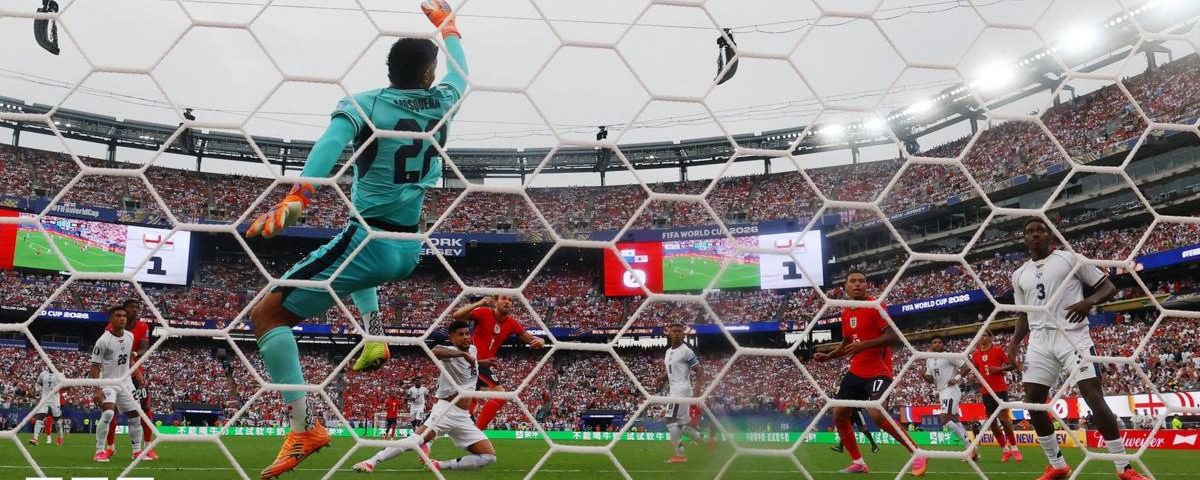
- A severe heatwave is predicted to affect World Cup matches in the US and Canada this week.
- Historical instances show that extreme weather can influence match results and player safety.
- The potential for heat-related health issues raises concerns for athletes and spectators alike.
- Past tournaments have adapted to similar situations, offering insights into possible solutions.
- The urgency of addressing these conditions may shape future sporting regulations and player welfare protocols.
As temperatures climb this week across parts of the US and Canada, the integrity and safety of World Cup matches are under scrutiny. Scheduled to occur over the next few days, these matches will not only test the skills of competing nations but also the resilience of players and officials in extreme weather conditions. With the world’s attention on this prestigious event, the implications of a heatwave could echo far beyond the final score.
World Cup matches: What You Need to Know
Historically, football has faced its fair share of challenges due to weather conditions. From torrential downpours to freezing temperatures, players have adapted to various climates during significant tournaments. However, excessive heat introduces a unique set of risks that can impact performance and safety. Instances of players suffering from heat exhaustion or dehydration are not uncommon, leading to a growing concern about player welfare during matches.
The World Cup has seen heat-related challenges before, most notably during the 1994 tournament held in the United States. During that summer, temperatures soared, particularly in venues like Dallas, where matches were played in sweltering conditions. Although FIFA implemented certain safety protocols, the matches were still affected, leading to slower gameplay and increased substitutions to address player fatigue. Teams reported that the heat impacted match results, as teams adjusted their strategies to cope with the oppressive conditions.
In contrast, the 2002 World Cup in South Korea and Japan dealt with different climatic challenges. The cooler Asian climate led to a faster pace of play, with players able to maintain higher intensity throughout matches. This historical comparison illustrates how temperature can influence not just player performance, but ultimately match results.
Moreover, the 2014 World Cup in Brazil brought another perspective on heat. FIFA introduced mandatory water breaks during matches played in high temperatures, a decision influenced by ongoing concerns about player safety. The results were mixed, with some games showcasing high-scoring encounters while others were marred by fatigue, revealing the fine balance between maintaining the competitive spirit and ensuring player wellbeing.
As we look toward this week’s matches, it’s essential to consider how these historical precedents may guide current decision-making. The potential health impacts posed by extreme heat could necessitate similar measures to those seen in Brazil, ensuring that players are not only competing at their best but are also safeguarded from heat-related ailments.
Analysis & Key Takeaways
The concern over heatwaves extends beyond just player safety; it affects spectators as well. Crowds can experience heat exhaustion, leading to a need for improved infrastructure and support services at venues. This could result in a shift in how organizers approach match day logistics, emphasizing hydration stations, shaded areas, and emergency medical services.
As the tournament progresses, we may also see a broader conversation emerge within the realm of football regarding temperature regulation and player welfare. Regulatory bodies could be pushed to adopt more stringent guidelines, ensuring that matches are only played under safe conditions. With climate change increasingly influencing weather patterns, this week’s heatwave could serve as a bellwether for future tournaments, prompting a reevaluation of scheduling and match protocols in warmer climates.
In essence, this heatwave is not merely a weather event; it is a reminder of the historical lessons football has learned and the potential adjustments that may be necessary for the integrity of the sport. It underscores the importance of prioritizing player health while ensuring that the spirit of competition remains intact.
As we look ahead, the outcomes of these matches may well be influenced by how effectively teams respond to the heat. Will we see alterations in strategy, with squads conserving energy and focusing on ball possession? Or perhaps we will witness more injuries and fatigue-related substitutions that could swing the match results unexpectedly. The implications of this heatwave extend beyond mere statistics; they could redefine what we expect from the World Cup in terms of player safety and match management.
In conclusion, while the heatwave poses significant challenges to the current World Cup matches, it also provides an opportunity for the sport to reflect on its history and adapt to the evolving climate. The outcomes of these games may influence not only the tournament’s progression but also future footballing events worldwide.
At the SNP editorial desk, we recognize that the current heatwave impacting World Cup matches is not just an immediate threat but a potential catalyst for change in how football is governed in relation to extreme weather. While FIFA has made strides in ensuring player welfare, the reality is that the changing climate will continue to present challenges that require proactive adaptations.<br />
We foresee that this week could ignite a renewed advocacy for player safety measures, driving discussions that could shape future tournaments. As the global football community watches closely, we might witness a pivotal moment where the standards for match conditions are redefined, emphasizing the importance of health without compromising the competitive nature of the sport.<br />
In light of the outcomes that may arise during this tournament, we urge stakeholders to take these lessons to heart and consider implementing long-term strategies that prioritize player safety and well-being. As history has shown, the game's evolution often stems from the challenges faced during pivotal moments, and this heatwave could be one such instance.
Source: Could a heatwave make World Cup matches 'unsafe' this week?
Sports News Plus is a news aggregator. We do not own or claim rights to any images, videos, or source content featured on this site. All images and media are the property of their respective original owners and publishers. Article content is independently written based on publicly available news sources, which are credited and linked throughout. Full disclosure →