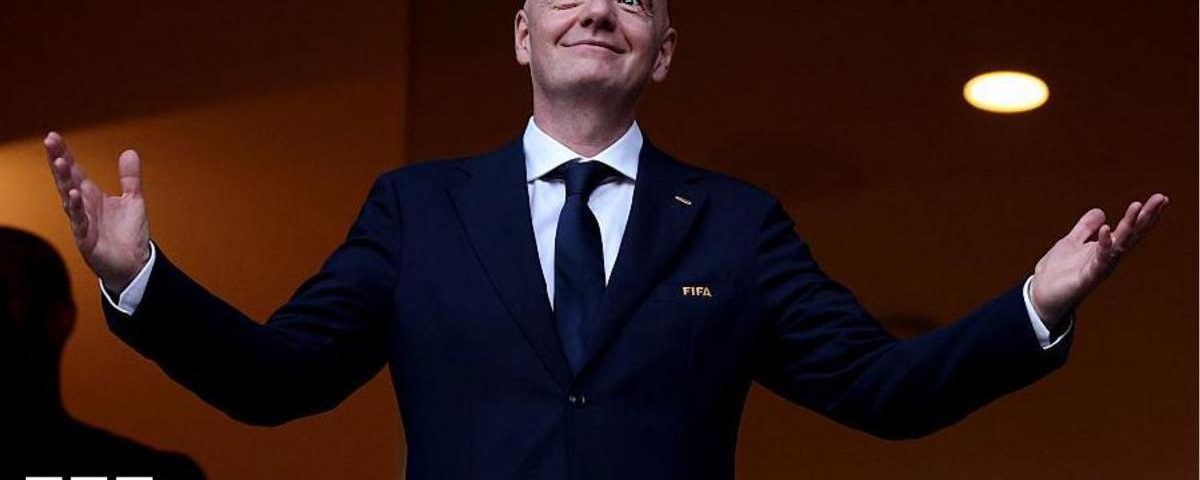
- FIFA is considering expanding the men's World Cup to 64 teams after 2026.
- This change aims to make football more inclusive and accessible globally.
- Fans are divided on whether this expansion will dilute the quality of the tournament.
- Social media reactions highlight concerns and excitement about their teams' prospects.
- The decision could redefine future seasons in domestic leagues and international competitions.
64-team World Cup FIFA president Gianni Infantino has opened the door for an ambitious expansion of the men’s World Cup to 64 teams following the 2026 tournament. This announcement, made recently, suggests that the governing body is eager to broaden football’s appeal and inclusivity across the globe. The potential expansion comes at a time when the beautiful game continues to grow in popularity, especially in regions where football is still emerging.
64-team World Cup: What You Need to Know
The anticipated 64-team format could significantly alter the landscape of international football. Currently, the men’s World Cup features 32 teams, a number that has been the standard since the 1998 tournament in France. A larger tournament could offer more nations the opportunity to compete on the world stage, promising a more diverse array of match results and narratives. For fans, this means a chance to see their national teams play, even if they are not traditionally seen as football powerhouses.
However, the reactions among supporters are far from uniform. Social media platforms are buzzing with spirited discussions. Many fans are excited about the prospect of their underdog teams qualifying for the tournament, especially given that football is increasingly competitive at all levels. For example, supporters of nations like Canada and Ghana are eager to imagine their teams making an appearance in a World Cup match result that could write a new chapter in their football history.
On the other hand, there is significant apprehension among traditionalists who fear that a 64-team World Cup could dilute the competition’s quality. Critics argue that expanding the tournament may lead to a higher number of mismatches, where established teams face significantly weaker opponents. This brings up a key debate among fans about the balance between inclusivity and the integrity of the sport. Will a larger tournament mean more goals and exciting matches, or will it simply result in a less competitive atmosphere?
As the 2026 World Cup approaches, fans are also considering how this potential expansion could affect their teams in domestic leagues, particularly in the English Premier League. Teams may need to adjust their squad depth to handle the additional international commitments that come with a World Cup appearance. With transfer windows looming, clubs may look to bolster their rosters in anticipation of more players being called up to represent their countries.
Analysis & Key Takeaways
The ripple effects of this proposed change could influence transfer strategies across leagues. Clubs that are likely to see players representing their national teams more frequently may prioritize acquiring depth to maintain performance during crucial fixtures in the league. For many teams, the implications of a 64-team World Cup go beyond just the tournament itself; they extend into the fabric of their entire season.
In light of this news, fans are also engaging in spirited debates about their nations’ chances of qualifying. Supporters are eagerly analyzing current squad performances and match results, assessing how their teams might fare in a 64-team tournament. Social media platforms have become a battleground for opinions, with fans sharing statistics, historical performances, and even hypothetical line-ups that could emerge should their teams qualify.
Furthermore, the international community’s reaction cannot be overlooked. Countries that have historically been overlooked in football might see this as an opportunity to invest in their football programs. The expansion could lead to growth in youth academies and grassroots football, as nations seek to build competitive teams capable of securing a spot in the World Cup.
As nations prepare for the next World Cup cycle, the prospect of a 64-team tournament has already ignited conversations about football’s future. Fans will be watching closely to see how FIFA finalizes the tournament structure, and whether their teams will benefit from the increased opportunities that such a format could provide.
With the 2026 tournament still on the horizon, it is clear that the potential for a larger World Cup is reshaping the narrative of international football. As discussions continue, fans worldwide will remain engaged, balancing their hopes and concerns as they anticipate what could be a transformative moment for the sport.
As we analyze the implications of a 64-team World Cup, it’s clear that this proposal is as much about strategy as it is about inclusivity. We believe that FIFA’s move is a calculated attempt to capitalize on the growing global fanbase, particularly in regions like Africa and Asia, where football is rapidly gaining traction. However, we also recognize the balancing act FIFA must perform between expanding the game and maintaining a competitive edge within tournaments.<br />
The true test will come in how well FIFA can manage the logistics of a larger tournament. From scheduling conflicts to the increased demand on venues and resources, the challenges will be significant. We foresee that the way this expansion is implemented could either enhance the prestige of the World Cup or risk it becoming less meaningful, should the quality of matches decline.
Source: Infantino opens door to 64-team World Cup
Sports News Plus is a news aggregator. We do not own or claim rights to any images, videos, or source content featured on this site. All images and media are the property of their respective original owners and publishers. Article content is independently written based on publicly available news sources, which are credited and linked throughout. Full disclosure →