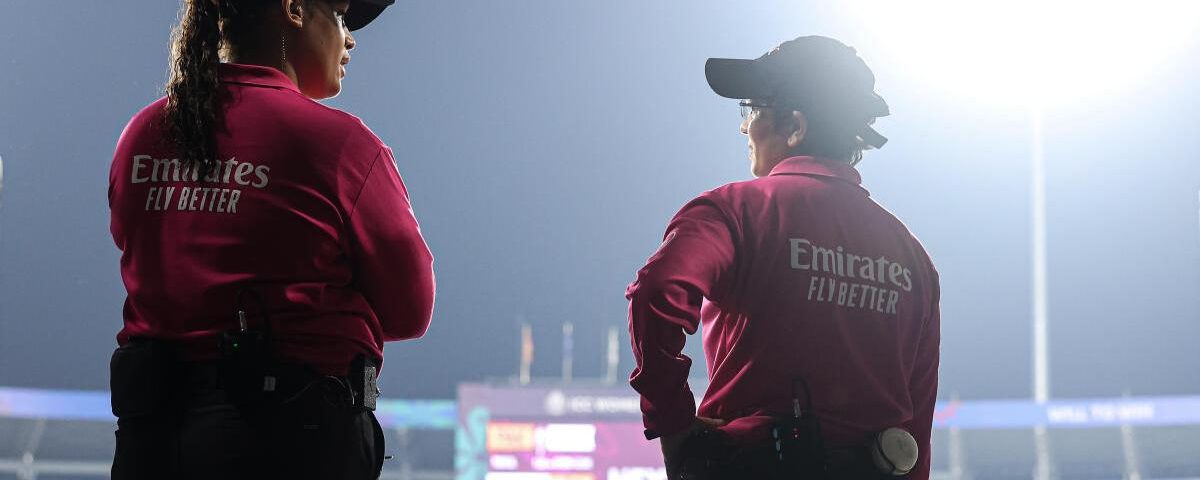
- The Women's T20 World Cup 2026 will showcase an all-female panel of match officials.
- Four Indian officials have been included in a total of 14 umpires and four match referees.
- This tournament marks a significant step towards gender equality in cricket.
- The competition is set to feature 33 fixtures, emphasizing women's cricket's growing prominence.
- As the sport evolves, we anticipate increased support and investment from governing bodies like the BCCI.
The Women’s T20 World Cup 2026 is poised to make history with the announcement of an all-female panel of match officials, a move celebrated by cricket fans worldwide. Scheduled to take place across various venues, the tournament will feature a total of 33 fixtures, showcasing some of the best talent in women’s cricket. In a significant nod towards gender inclusivity, four Indian officials have been named among the 14 umpires and four match referees selected for this prestigious event.
This landmark decision reflects the progress women’s cricket has made over the past decade. The inclusion of female match officials not only promotes equality but also inspires young girls aspiring to pursue careers in sports. The Board of Control for Cricket in India (BCCI) has been a pivotal player in supporting women’s cricket, and this initiative aligns with their ongoing commitment to elevate women’s participation within the sport.
The statistics of women’s cricket are becoming increasingly impressive. T20 formats have attracted a younger audience, with players like Smriti Mandhana and Shafali Verma making headlines with their aggressive batting styles. The batting averages in women’s T20 cricket have also improved significantly, with top players now often exceeding an average of 30 runs per innings, a benchmark that reflects their growing skill and competitiveness on the international stage.
As we look back, the evolution of women’s cricket can be illustrated through its statistical growth. The inaugural Women’s T20 World Cup in 2009 attracted limited viewership, but fast forward to today, and major tournaments are drawing in millions of fans globally. Participation rates in women’s cricket have surged, with countries investing in grassroots programs and local leagues, further bolstering the sport’s infrastructure.
Match Officials: A Step Towards Gender Equality
The decision to appoint an all-female panel for the Women’s T20 World Cup 2026 is more than just a symbolic gesture; it is a tangible step towards achieving gender equality in sports officiating. Historically, women have been underrepresented in officiating roles across various sports, including cricket. However, initiatives like this one pave the way for future generations and send a powerful message about women’s capabilities and contributions to the game.
The inclusion of four Indian match officials further emphasizes the BCCI’s role in championing women’s cricket. As the sport grows, it is crucial that women not only compete at the highest levels but also officiate with authority and respect. By placing women in these key roles, cricket is fostering an environment where female athletes can thrive and feel validated in their pursuit of excellence.
By the Numbers: Women’s Cricket Growth Metrics
To truly appreciate the significance of the Women’s T20 World Cup and its all-female officiating panel, one must consider the numbers that reflect the growth and evolution of the women’s game. In recent years, women’s cricket has seen a spike in win rates in international formats. For instance, in ODI series, teams like Australia and England have boasted win percentages exceeding 70%, showcasing their dominance.
In terms of individual performances, top players have been consistently breaking records. The highest individual score in women’s T20 internationals currently stands at 150 runs, a feat achieved by players like Deandra Dottin. Such performances only highlight the incredible talent present in the women’s game. Furthermore, the average number of wickets taken by leading bowlers has also risen significantly, with some bowlers boasting averages below 15, indicating their effectiveness and skill in the T20 format.
Moreover, the financial investment in women’s cricket by governing bodies has seen an upward trajectory. The BCCI’s commitment to enhancing women’s tournaments and improving infrastructure will likely lead to more competitive teams and thrilling matches in the future.
As we anticipate the Women’s T20 World Cup 2026, the implications of having an all-female officiating panel extend beyond the tournament itself. This moment could herald a new era for women’s sports, inspiring initiatives in other sports to foster inclusivity and representation.
At our editorial desk, we see the announcement of an all-female officiating panel for the Women's T20 World Cup as a watershed moment for cricket. It’s not just about representation; it’s about recognition of the hard work and dedication that female officials have put into honing their craft. This step could very well inspire other sporting bodies to adopt similar practices, setting a precedent for future events worldwide.<br />
Moreover, as the BCCI and other cricket boards invest more in women's cricket, we can expect to see a ripple effect throughout the sport. Increased visibility for female match officials may lead to a broader acceptance of women in leadership roles across all levels of cricket, from local leagues to international competitions. The future of women's cricket is not just about the players; it includes the officials who oversee the matches and ensure the spirit of the game is upheld.<br />
As we embrace these changes, we must also challenge ourselves to support women's sports further, both in viewership and investment. The Women's T20 World Cup 2026 will undoubtedly be a landmark event, and we should be ready to champion the stories and achievements that come from it.
Sports News Plus is a news aggregator. We do not own or claim rights to any images, videos, or source content featured on this site. All images and media are the property of their respective original owners and publishers. Article content is independently written based on publicly available news sources, which are credited and linked throughout. Full disclosure →