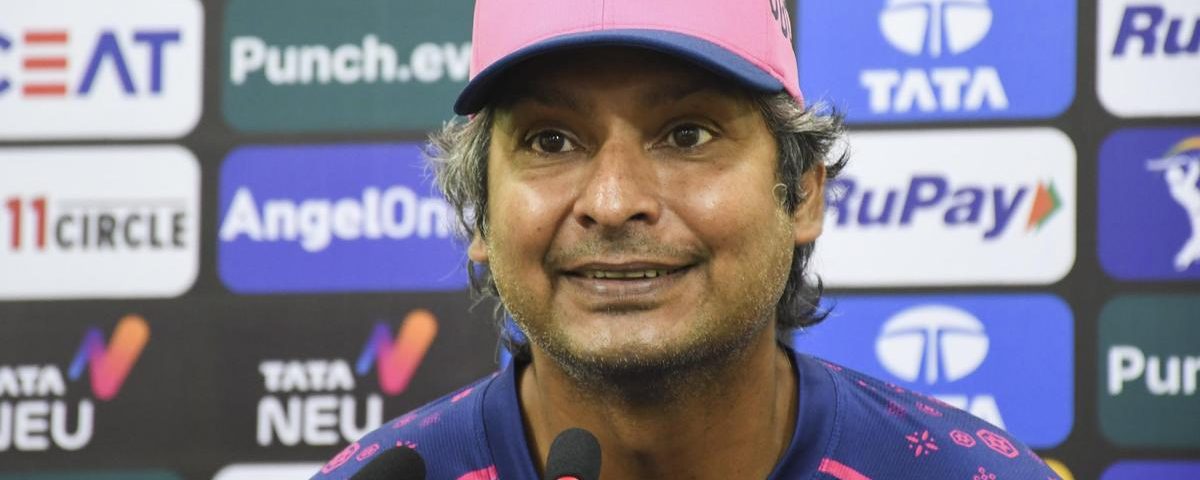
- Former minister Eran Wickramaratne leads the new Sri Lanka Cricket transformation committee.
- Kumar Sangakkara and Roshan Mahanama are key figures in the reform efforts.
- The committee aims to implement a new constitution for Sri Lanka Cricket.
- The initiative comes at a time when Sri Lanka's test match and ODI series performances have been under scrutiny.
- Successful reforms could set a precedent for cricket governance in other countries.
In a significant move for Sri Lanka Cricket, Eran Wickramaratne has been appointed as the chairman of a newly formed transformation committee. Announced on April 30, 2026, the committee also features notable cricketing legends, Kumar Sangakkara and Roshan Mahanama, who will lend their expertise to revamping the organization. Their primary objective is to implement a new constitution aimed at enhancing governance and accountability within Sri Lanka Cricket (SLC).
This initiative comes at a crucial juncture, as Sri Lanka continues to grapple with mixed results in international cricket. The country has a storied history in the sport, having won the ICC Cricket World Cup in 1996 and consistently performing well in various formats. However, the recent decline in performance, particularly in test matches and ODI series, necessitates urgent reforms.
Historically, Sri Lanka has been a competitive force in international cricket. The team has produced numerous world-class players who have left an indelible mark on the sport. For instance, Sri Lanka boasts a win rate of around 47% in test matches, which, while respectable, is below the 50% benchmark that often signifies a top-tier cricketing nation. The team has also seen fluctuations in its performance in ODIs, winning approximately 52% of their matches over the years. This inconsistency has raised questions about the efficacy of the current governance structure and strategic direction of SLC.
The Role of Sangakkara and Mahanama
Kumar Sangakkara, with his unparalleled experience as a former captain and one of the game’s greats, brings a wealth of knowledge to the committee. His batting average of 57.40 in test matches and 41.98 in ODIs underscores his deep understanding of the game. Sangakkara has been vocal about the need for systemic changes within SLC, advocating for a focus on youth development and infrastructure improvement.
Roshan Mahanama, another cricketing stalwart, adds to the committee’s credibility. As a former test player with over 150 matches to his name, Mahanama has experience in both playing and administrative roles. His insights will be invaluable as the committee navigates the complex landscape of cricket governance, particularly in aligning Sri Lanka’s strategic vision with international standards.
The committee’s formation is also timely as the Board of Control for Cricket in India (BCCI) continues to set high benchmarks in cricket governance, offering a model that SLC can aspire to emulate. The BCCI’s robust framework and financial strength have allowed it to dominate cricket globally, creating a competitive gap that Sri Lanka seeks to close. By reforming its structure, SLC aims to attract better sponsorship deals and enhance its financial stability.
Performance Metrics and Future Implications
Analyzing the statistics further, Sri Lanka’s overall performance in international cricket reveals a need for improvement. The team’s historical averages in batting and bowling reflect a shifting landscape, with a batting average hovering around 33 in ODIs over the past decade. This statistic highlights the challenges faced in producing consistent run-scorers—a critical need as competition intensifies globally.
Moreover, the team’s bowling performance has fluctuated, with wicket-taking averages that often fail to meet the expectations set by international standards. A targeted approach to enhancing player development programs and leveraging analytics to improve player performance could position Sri Lanka as a formidable contender in the coming years.
The formation of this new committee has the potential to not only redefine the governance of Sri Lanka Cricket but also to inspire a new generation of cricketers. Successful implementation of reforms could lead to improved performance in test matches and ODI series, ultimately restoring Sri Lanka’s status as a cricketing powerhouse.
As we look ahead, the implications of these changes could resonate beyond Sri Lanka. Other cricketing nations may take note of this initiative and consider similar reforms to enhance their governance structures. The world of cricket is watching closely as Sri Lanka embarks on this transformative journey, hoping to revive its status in international cricket.
In our view, the establishment of this transformation committee represents a pivotal moment for Sri Lanka Cricket. The combination of political and cricketing experience could yield a unique perspective on governance, one that might balance the business side of cricket with the traditional values of the game. We believe that the involvement of figures like Sangakkara and Mahanama can bridge the gap between cricketing excellence and administrative efficiency.<br />
As we move forward, the success of this committee will largely depend on its ability to implement changes that resonate with both players and fans. If they can secure the trust of the cricketing community and foster a culture of accountability, Sri Lanka Cricket might not only improve its win rates but also inspire a new generation of talent. The outcome of this initiative could very well set the tone for governance in cricketing nations worldwide.
Source: Sangakkara, Mahanama named in Sri Lanka Cricket transformation committee
Sports News Plus is a news aggregator. We do not own or claim rights to any images, videos, or source content featured on this site. All images and media are the property of their respective original owners and publishers. Article content is independently written based on publicly available news sources, which are credited and linked throughout. Full disclosure →