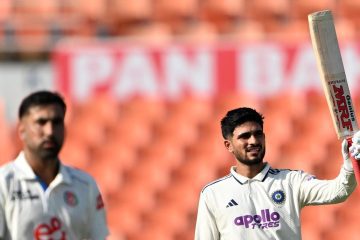
- Shreyas Iyer is officially appointed as India's T20I captain.
- Rohit Sharma emphasizes Mumbai cricket's role in leadership development.
- Iyer's performance in ODIs showcases his potential as a captain.
- Historical trends in T20I captaincy suggest a focus on aggressive play.
- The BCCI’s decision reflects a shift towards younger leadership.
T20I captaincy In a significant move for Indian cricket, Shreyas Iyer has been appointed as the T20I captain of the national team, a decision backed by seasoned players like Rohit Sharma and Suryakumar Yadav. This announcement comes at a time when the cricketing landscape is evolving, with the Board of Control for Cricket in India (BCCI) keen on embracing fresh perspectives. As Iyer steps up to lead India in T20 internationals, the cricketing community is taking note of what this leadership transition means for the team’s future.
T20I captaincy: What You Need to Know
The support from Rohit Sharma is particularly noteworthy. As an established captain with a wealth of experience leading Mumbai Indians in the Indian Premier League, Rohit understands the nuances of captaincy in T20 formats. He attributes much of this understanding to the rigorous environment of Mumbai cricket. This city’s cricketing culture is known for its competitive spirit, providing a breeding ground for future leaders. Iyer, having played a significant role in Mumbai’s domestic circuit, is well-versed in the expectations that come with captaincy.
Statistically speaking, Iyer’s ascent can be viewed through the lens of his performance in previous formats. He has exhibited commendable prowess in ODIs, boasting a batting average of over 42, which places him among the top-order batsmen in the Indian setup. His ability to adapt to different formats is an asset, and the BCCI hopes this translates into effective leadership. Historically, captains who perform well as players tend to inspire confidence in their teammates, a trend Iyer hopes to continue.
Looking at T20 internationals, the role of a captain is not merely about making tactical decisions but also about leading the team in an aggressive style of play. The T20 format demands a quick-thinking captain who can read the game as it unfolds, and Iyer’s experience in high-pressure situations, such as the IPL, prepares him well for this challenge. Under his captaincy, India will likely emphasize a bold, attacking approach, mirroring successful T20 teams globally.
Analysis & Key Takeaways
By the Numbers:
Iyer’s appointment as T20I captain is underscored by compelling statistics. As of June 2026, India has a win rate of approximately 65% in T20I matches, a figure they aim to build upon under Iyer’s leadership. Historically, captains with a win rate above 60% are considered successful, and Iyer’s strong showing in ODIs suggests he could help maintain this level of success. Furthermore, with the T20 World Cup looming, Iyer’s performance in the upcoming series will be critical in shaping India’s chances.
Statistically, he has scored over 1,500 runs in T20Is, averaging around 40. This positions him alongside other top Indian scorers like Virat Kohli and Rohit Sharma, highlighting his potential to lead by example. Additionally, the success of past captains often correlates with their ability to manage high-pressure situations, a trait Iyer has displayed in domestic cricket.
The BCCI’s faith in Iyer is not just a testament to his abilities but also reflects a growing trend of the board prioritizing younger talent in leadership roles. This shift aims to foster a new generation of cricketers who can adapt to the fast-evolving game. The emphasis on grooming captains from within, particularly from a cricketing hub like Mumbai, is a strategy that could yield significant dividends in the long run.
As Iyer steps into this role, the cricketing community will be watching closely. The T20 format is arguably the most volatile and unpredictable, requiring a captain who can navigate the complexities of the game while inspiring confidence in their team. The backing from senior players adds an extra layer of support that could be crucial in Iyer’s transition into this leadership role.
In conclusion, Shreyas Iyer’s appointment as T20I captain represents an exciting chapter for Indian cricket. Supported by experienced players like Rohit Sharma and Suryakumar Yadav, Iyer has a unique opportunity to carve his path in a format that thrives on innovation and boldness. As he embarks on this journey, the expectations will be high, but so too is the potential for success.
From our perspective, the appointment of Shreyas Iyer as T20I captain signals a thoughtful shift within the BCCI towards a more dynamic and forward-thinking leadership model. We believe this move is not just about Iyer's individual capabilities but also about the broader strategy of infusing youth into pivotal roles. The cricketing landscape is changing, and teams that can adapt quickly to new challenges will thrive.<br />
We foresee Iyer's captaincy being characterized by an emphasis on aggressive batting and innovative strategies, aligning with the ethos of T20 cricket. This approach could significantly influence how India performs in upcoming tournaments, particularly the T20 World Cup. If Iyer can harness the collective experience of his senior teammates while instilling confidence in the younger players, we could witness a transformative era for Indian cricket.
Source: Rohit, Suryakumar back Shreyas to succeed as India T20I captain
Sports News Plus is a news aggregator. We do not own or claim rights to any images, videos, or source content featured on this site. All images and media are the property of their respective original owners and publishers. Article content is independently written based on publicly available news sources, which are credited and linked throughout. Full disclosure →