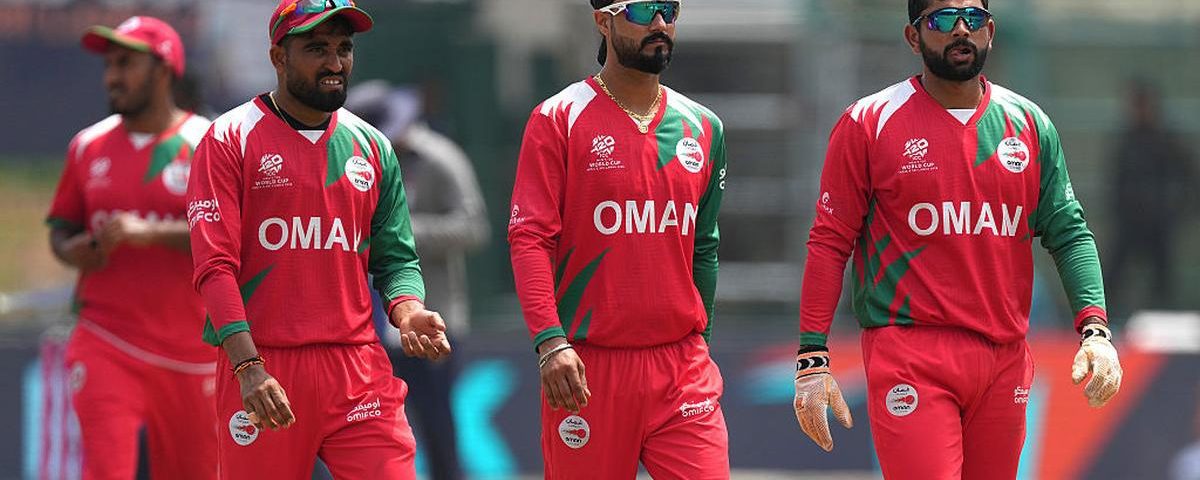
- The ICC's new ODI World Cup format has reduced direct opportunities for associate nations.
- Only 11 out of 14 teams will enter the group stage directly in 2027.
- Oman cricketers have expressed concern that this could undermine their development.
- The shift reflects a broader trend prioritizing established cricketing nations.
- This change could impact the competitive landscape of international cricket moving forward.
On July 21, 2026, the International Cricket Council (ICC) announced a significant overhaul of the ODI World Cup format scheduled for 2027, attracting widespread attention. The 2027 tournament will consist of 14 teams, but only 11 will gain direct entry into the group stage. The remaining three teams must compete in a Super Series, where only one will advance further. This change has drawn critical responses, particularly from associate nations like Oman, whose cricketers fear that this new structure could undermine their opportunities to compete on the world stage.
ODI World Cup format: What You Need to Know
The implications of this format change transcend simple logistics. The restructured qualification pathway for the ODI World Cup signifies a shift towards a more exclusionary approach, particularly affecting associate nations that have been striving for greater recognition and development within the sport. Oman, which has made strides in international cricket and has a burgeoning cricketing infrastructure, views this decision as detrimental to their growth. Cricketers from Oman have voiced their concerns, arguing that it not only limits their chances to showcase their talents but also hinders the overall competitiveness of international cricket.
Historically, the ICC has emphasized the growth of cricket globally, promoting the inclusion of associate nations through various initiatives. However, the new ODI World Cup format appears to contradict this philosophy. By limiting the opportunities for these teams to compete in high-stakes matches, the ICC risks stunting the growth of cricket in regions where the sport is still developing. The qualification process can serve as a vital platform for emerging cricketing nations to gain experience and exposure.
With the 2027 World Cup format prioritizing established teams, the ramifications extend beyond just the tournament itself. The new structure could discourage grassroots development initiatives in associate nations, which rely on international exposure to build their cricketing frameworks. Regular competition against higher-ranked teams is crucial for the growth of cricketing talent, and the new format may lead to a widening gap between Full Members and associate nations.
Analysis & Key Takeaways
In the context of ODI series, this change could also impact future player developments. Teams in associate nations often rely on performing well in these international matches to attract attention from scouts and franchises, creating pathways for players to participate in more competitive leagues and tournaments. The limited exposure as a result of the new format may lead to a decrease in the number of players from these nations making it to the international and franchise levels, raising questions about the long-term sustainability of cricket development in those regions.
The Board of Control for Cricket in India (BCCI) has been at the forefront of discussions surrounding changes in international cricket formats, and their influence is palpable in recent ICC decisions. As a powerhouse in the cricketing world, India has seen the benefits of a robust domestic structure that nurtures local talent. However, this new format raises the question of whether the focus on the established cricketing powers comes at the cost of inclusivity and diversity within the sport.
Moving forward, the ICC must reconsider how the new ODI World Cup format aligns with its commitment to growing the game globally. While the intention to streamline the tournament may have merit, the possible consequences for associate nations warrant a deeper examination. It is crucial that cricketing authorities work towards creating a more inclusive environment, ensuring that all nations have a fair shot at competing in world events.
As we look ahead, the cricketing community must come together to advocate for a system that not only celebrates the historical giants of the sport but also nurtures the emerging talents from associate nations. This balance is essential for the future of cricket, ensuring that it remains a game for everyone.
In our view, this latest change in the ODI World Cup format may signal a troubling trend in international cricket. While the ICC aims to streamline the competition, it risks alienating a significant portion of the cricketing community. The voices of players from associate nations like Oman should not be dismissed; rather, they highlight a critical need for inclusive growth in the sport.<br />
We believe that the ICC needs to engage more proactively with these nations, fostering development programs that provide them with the necessary resources and opportunities. If the current trajectory continues, we could witness a future where cricket becomes increasingly insular, prioritizing the interests of a select few over the diverse tapestry that the game can offer.
Source: New ICC ODI World Cup format ‘undermines’ associate nations, say Oman cricketers
Sports News Plus is a news aggregator. We do not own or claim rights to any images, videos, or source content featured on this site. All images and media are the property of their respective original owners and publishers. Article content is independently written based on publicly available news sources, which are credited and linked throughout. Full disclosure →