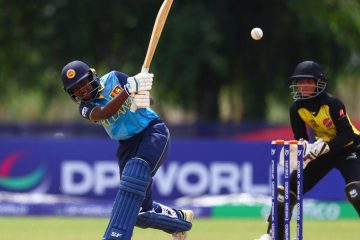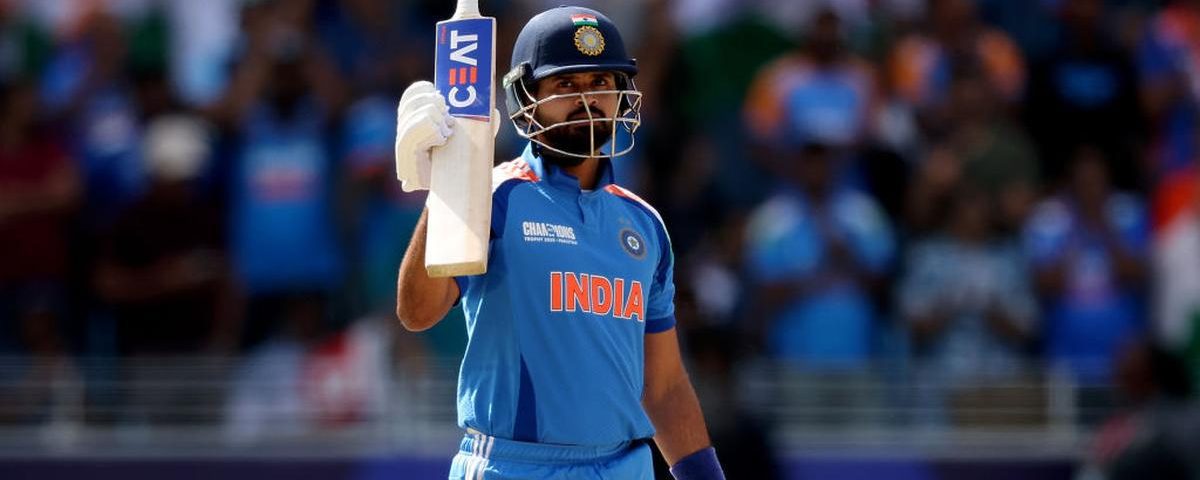
- Shreyas Iyer has been appointed as captain for the Ireland and England T20I series.
- Suryakumar Yadav's exclusion highlights a shift in batting strategies.
- Sooryavanshi's maiden call-up indicates a focus on fresh talent.
- The BCCI is aiming to build a competitive squad ahead of the T20 World Cup.
- Iyer's leadership will be crucial in navigating the challenges posed by strong opponents.
India T20I squad In a significant move, the Board of Control for Cricket in India (BCCI) has announced the T20I squad for India’s upcoming series against Ireland and England, scheduled for June and July 2026. Shreyas Iyer has been appointed as captain, a position that reflects both his experience and the confidence the selectors have in his leadership abilities. Notably, Suryakumar Yadav has been dropped from the squad, indicating a tactical shift in the team’s approach. The inclusion of rising star Sooryavanshi, who earns his first call-up, suggests a new direction as the BCCI prepares for these crucial fixtures.
India T20I squad: What You Need to Know
As cricket fans anticipate the summer series, the announcement is more than just a roster reveal; it represents a strategic recalibration for the Indian team. With the T20 World Cup looming, the selection committee is clearly focused on blending experience with fresh talent. Iyer’s leadership will be pivotal as he takes charge of a squad that appears to be designed for adaptability and competitive edge against formidable opponents.
Iyer, who has demonstrated his mettle in various formats, will need to consolidate the batting order, particularly in the absence of Suryakumar, a player known for his explosive batting. His exclusion opens up questions about the team’s overall batting strategy and which players will step up to fill that gap. The decision to drop Suryakumar points to a need for a more stable batting lineup, one that can withstand pressure situations, especially in high-stakes matches.
The inclusion of Sooryavanshi adds an exciting dimension to the squad. A talented player who has shown promise in domestic competitions, his call-up suggests that the BCCI is not just looking for immediate results but is also investing in the future of Indian cricket. This fresh talent could be the catalyst that rejuvenates the batting lineup, offering new angles of attack.
A key factor to consider in the upcoming series will be the tactical adjustments that the team will employ under Iyer’s captaincy. Traditionally, T20 teams benefit from a blend of aggressive batting and strategic bowling, and Iyer has the potential to create that balance. His captaincy style will likely emphasize a flexible batting order that can adapt to different match situations, allowing for both explosive power-hitting and calculated innings building. This adaptability will be crucial when facing strong bowling attacks from both Ireland and England.
Analysis & Key Takeaways
The series against Ireland will serve as a litmus test for the new configurations before the more challenging encounter with England. The English side, known for its powerful batting and strategic acumen, will pose a significant challenge. Here, Iyer’s ability to read the game and make tactical decisions on the fly will be essential. The key battles will likely revolve around how Iyer manages his bowlers during crucial overs and optimizes the batting lineup to put runs on the board efficiently.
In terms of bowling, the Indian squad must also develop a strategy to ensure they can take crucial wickets to stifle opposition runs. The selection of bowlers will be critical, particularly in finding the right mix of pace and spin to exploit the conditions in Ireland and England. Early wicket-taking options will be necessary to put pressure on the opposition and establish control in both T20 games.
As we look ahead to these matches, there is a palpable sense of anticipation surrounding how Iyer will mold this squad into a formidable unit. The lessons learned from these series could shape the team’s approach as they gear up for the T20 World Cup, where every match will be a stepping stone toward glory.
The BCCI’s decision to appoint Iyer and introduce fresh faces like Sooryavanshi demonstrates a commitment to nurturing new talent while also relying on seasoned players. It’s a strategy that could pay dividends if executed correctly. Fans will be eagerly watching the series unfold, waiting to see how this new squad dynamic translates on the field.
We also need to consider the broader implications of these changes in the context of Indian cricket. The BCCI’s move signals a shift toward a more progressive approach, one that values potential and adaptability over mere statistics. If Iyer can harness the abilities of the new squad effectively, India could be poised for success not just in these series, but in the upcoming T20 World Cup.
From our perspective, this squad announcement reflects a pivotal moment for Indian cricket, emphasizing the importance of leadership and adaptability in T20 formats. Iyer’s appointment as captain is not just a routine choice; it underscores the need for a strategic overhaul, especially in a format that thrives on innovation and quick thinking. His style of play and experience could foster a more aggressive and adaptable approach, vital for addressing the fast-evolving landscape of international T20 cricket.<br />
Moreover, we see the dropping of Suryakumar as a significant strategic decision that opens the door for young talent like Sooryavanshi. This bold move may very well set a precedent for future selections, where performance in domestic leagues could weigh more heavily than past achievements in international matches. It’s a calculated risk, but one that could ultimately lead to a more robust and versatile Indian lineup as they prepare for the trials awaiting them in the T20 World Cup.
Sports News Plus is a news aggregator. We do not own or claim rights to any images, videos, or source content featured on this site. All images and media are the property of their respective original owners and publishers. Article content is independently written based on publicly available news sources, which are credited and linked throughout. Full disclosure →