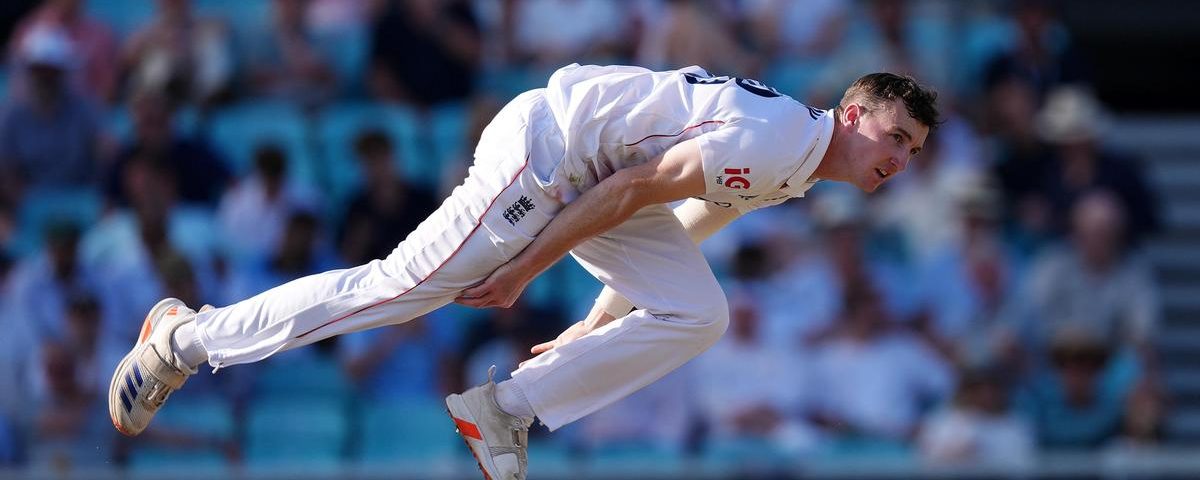
- James Coles receives his first call-up to the England T20I squad.
- Harry Brook steps in as captain for the series against India.
- Experienced players like Jordan Cox and Saqib Mahmood return to bolster the lineup.
- Injuries to Brydon Carse and Jamie Overton create opportunities for emerging talent.
- England's performance in this series may set the tone for future ODI and Test match engagements.
T20I squad England has announced its squad for the upcoming T20I series against India, set to take place in July 2026. This series marks a pivotal moment for the English cricket team, as they embark on a new journey under the leadership of Harry Brook, who has been named captain. The squad also welcomes newcomer James Coles, while familiar faces Jordan Cox, Sonny Baker, and Saqib Mahmood return after their absence from the 2026 ICC Men’s T20 World Cup. Meanwhile, injuries to Brydon Carse and Jamie Overton mean that the squad will look different from the one that recently competed on the world stage.
T20I squad: What You Need to Know
The inclusion of James Coles is noteworthy. At just 22 years old, Coles has shown impressive potential in domestic cricket, particularly in the T20 format. His rise through the ranks has been marked by his consistent batting averages, which hover around 30 in T20 competitions. Brook’s captaincy will be tested as he leads a mix of experienced players and fresh faces, making this an exciting time for England cricket.
Brook’s leadership is especially significant, given the pressures of leading a squad filled with both veterans and newcomers. His ability to foster a competitive environment will be crucial, as England seeks to refine its strategies and performance ahead of future ODI series and Test matches. This opportunity serves as a platform for players to showcase their skills and secure their places in the long-term vision of English cricket.
As England prepares to face India, it’s essential to consider the historical context of this rivalry. India has long been a powerhouse in T20 cricket, with a win rate of approximately 60% in the format, underscoring their dominance on the international stage. England, while successful recently, has had its ups and downs, with a win rate that hovers around 50%. This series will be an opportunity to gauge how far England has come in their T20 development, particularly under Brook’s leadership.
By the Numbers:
One of the most compelling aspects of this upcoming series is the statistical backdrop. England’s T20I win rate has fluctuated over the last few years, with their best performances often linked to strong individual outings. For instance, key players like Jos Buttler and Ben Stokes have historically contributed to a significant portion of England’s runs, and their absence could be felt in this series.
Analysis & Key Takeaways
Consider also the batting averages of the players in the current squad. Historically, an average of 30 runs per innings is considered a benchmark for success in T20 cricket. Players like Harry Brook, who have averaged over 35 in recent domestic competitions, will be vital for setting competitive totals against a potent Indian bowling lineup.
On the bowling front, England will need to capitalize on their wicket-taking abilities to counter India’s formidable batting line-up. Historically, the team has achieved a collective bowling economy rate of around 8 runs per over in T20s, which is respectable. However, against a side like India, maintaining this rate will be crucial.
The T20 series against India will not only serve to test the mettle of the new squad but will also provide insights into the team’s future strategy as they look ahead to the next ODI series and beyond. The blend of youth and experience may very well be a blueprint for future success, especially as England aims to reclaim its status as one of the leading T20 teams in the world.
This series will also be a litmus test for the England and Wales Cricket Board (ECB) as they navigate the evolving landscape of international cricket. The return of players like Cox and Mahmood, who have previously been sidelined, adds a layer of intrigue to the mix. Their performance could influence selection decisions for upcoming ODI matches and Test series, underlining the importance of maintaining a competitive edge.
As the cricketing world watches closely, the performance of this new T20I squad will be critical not only for immediate results but also for the long-term vision of English cricket. The ECB’s commitment to nurturing young talent, as showcased with James Coles’ selection, reflects an awareness of the need for regeneration in the team as they prepare for an increasingly competitive international environment.
As the SNP editorial desk, we recognize that this T20I series against India presents a crucial opportunity for England to redefine its approach in short-format cricket. While the excitement surrounding Coles' debut is palpable, we must also consider the broader implications of Brook’s captaincy and the team dynamics. The pressure to perform will be immense, especially in a high-stakes series against a rival that has consistently challenged England's prowess on the field.<br />
Moreover, we must reflect on the implications of these selections for the upcoming ODI series. With the 2027 ICC Cricket World Cup on the horizon, how England performs now could set the tone for their future, not just in T20Is, but across all formats. This series could be a turning point where fresh talent emerges, and established players reaffirm their positions, shaping the narrative for England cricket in the years to come.
Source: England announces squad for India T20Is; James Coles earns maiden call-up
Sports News Plus is a news aggregator. We do not own or claim rights to any images, videos, or source content featured on this site. All images and media are the property of their respective original owners and publishers. Article content is independently written based on publicly available news sources, which are credited and linked throughout. Full disclosure →