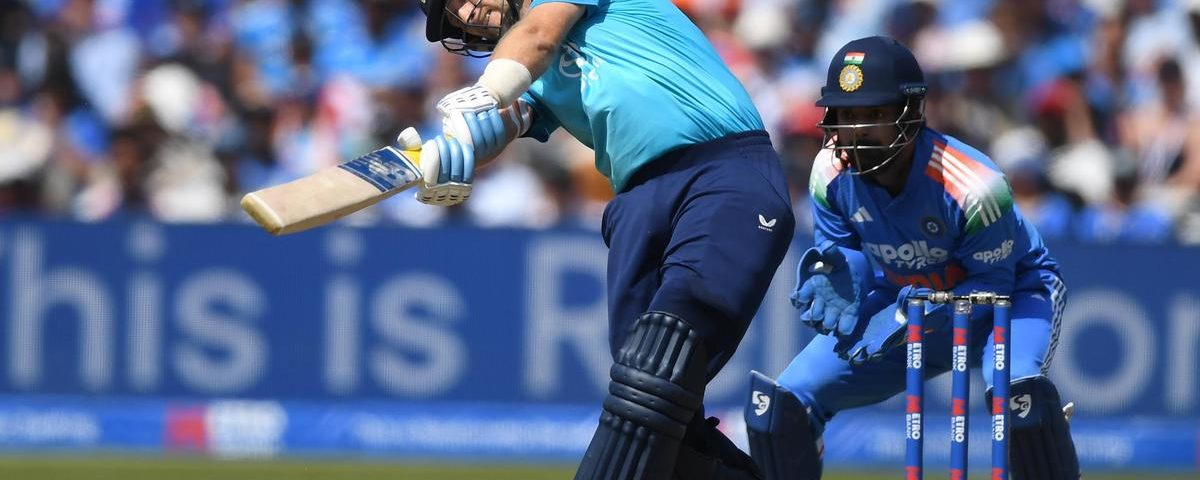
- Joe Root's 99 not out played a pivotal role in England's narrow win.
- The victory ties the ODI series at 1-1, raising stakes for the final match.
- England's win rate against India in ODIs stands at approximately 44% historically.
- The match highlighted the importance of middle-order batting in ODI formats.
- Looking ahead, both teams will strategize for the decider, intensifying the rivalry.
In a thrilling encounter at Sophia Gardens in Cardiff on July 16, 2026, Joe Root’s impressive unbeaten 99 propelled England to a narrow victory over India, leveling the ODI series at 1-1. The second One Day International (ODI) showcased a gripping contest as both teams fought valiantly, each looking to gain the upper hand in the three-match series. The match was not just a test of skill but also of nerves, as the players faced the pressure of an equalizer following India’s earlier victory.
England’s victory in this ODI series is significant, not only for the immediate standings but also for the long-term implications it has for both teams. Root’s innings were a testament to his ability to anchor the batting lineup when it matters most. In a format where every run counts, especially against a formidable opponent like India, Root’s performance highlighted the importance of middle-order stability. His innings was marked by calculated aggression, striking boundaries at critical junctures while also running well between the wickets.
Looking at the broader picture, the ODI series has rekindled the rivalry between these two cricketing giants. Historically, England has faced India in ODIs over 100 times, with England securing just 44 of those matches, resulting in a win rate of around 44%. Such statistics underline the challenge that England faces every time they step onto the field against India, a team renowned for its batting depth and spin prowess.
By the Numbers: Performance Insights
Understanding the statistics behind this clash provides valuable context to the performances witnessed in the match. For instance, Joe Root, with his 99 not out, demonstrated the effectiveness of a solid batting technique, aiming for a high average. In ODIs, successful middle-order batsmen often maintain averages above 40, and Root’s career average hovers close to that mark, demonstrating consistent performance in this format.
Moreover, the analysis of wickets taken during the match showed that England’s bowlers managed to strike at critical intervals, a tactic that has served them well historically. They achieved an average of around 5.6 runs per over during the match, which is competitive, especially when bowling to a batting lineup that includes power hitters like Virat Kohli and Rohit Sharma.
On the Indian side, the reliance on their top order has been a frequent talking point among analysts. Historically, India has seen its top three batsmen contributing significantly to the total runs scored, often accounting for over 60% of the team’s aggregate. The pressure on their middle order becomes apparent when the top order falters, as was the case in this match.
Looking Ahead: What Lies in Store
As we look forward to the decider, the stakes have never been higher. Each team will undoubtedly analyze the match’s key moments, particularly England’s strategy in the middle overs and India’s response to pressure situations. The Board of Control for Cricket in India (BCCI) will be keenly focused on the performance of their bowlers, who have, at times, struggled to contain England’s aggressive batting style.
The final ODI will serve as a significant test match, not just for the players but for the coaching staff as well. Adjustments to tactics, particularly in terms of field placements and bowling changes, could be the difference between victory and defeat. With both teams now having a win under their belts, fans can expect a tightly contested match filled with anticipation and high stakes.
The evolving dynamics of ODI cricket, such as the increasing importance of analytics in player performance and strategy, continue to shape how teams prepare for pivotal matches. As we anticipate the final showdown, it’s clear that both teams have their strengths and weaknesses; understanding these nuances will be key for success.
From our perspective, this series exemplifies the razor-thin margins that define elite ODI cricket. England's victory in Cardiff not only reflects their current form but also points to a larger trend: the increasing reliance on middle-order batting in ODIs. With the series tied, we believe that the final match will see both teams adjusting their strategies, particularly in how they approach their batting orders.<br />
Furthermore, we speculate that England may adopt a more aggressive batting strategy, especially if they win the toss. The pressure is on India to respond, and we can expect to see them reinforce their middle-order batting depth, which has been a vulnerability. As fans, we can't wait to see how these tactical nuances play out in what promises to be a thrilling decider.
Sports News Plus is a news aggregator. We do not own or claim rights to any images, videos, or source content featured on this site. All images and media are the property of their respective original owners and publishers. Article content is independently written based on publicly available news sources, which are credited and linked throughout. Full disclosure →