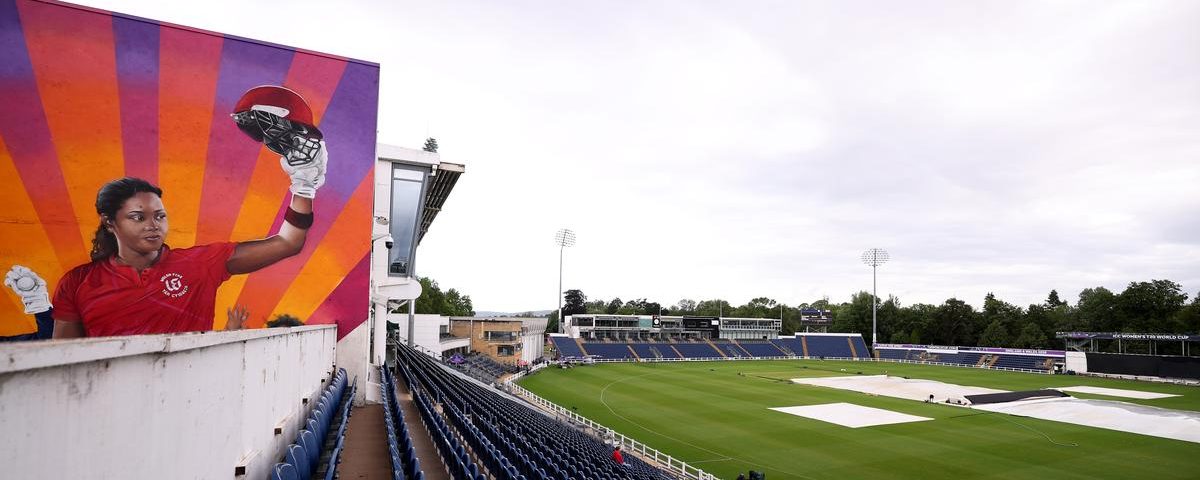
- The 2026 Women's T20 World Cup will be the tournament's 10th edition.
- Seven iconic venues will host matches, including the historic Lord's.
- This event signifies the increasing prominence of women's cricket.
- Past women's tournaments have laid the groundwork for this moment.
- The BCCI's involvement could further elevate women's cricket on a global scale.
Women’s T20 World Cup The cricketing world is gearing up for a momentous occasion as England prepares to host the 2026 Women’s T20 World Cup. This tournament marks the tenth edition of the competition, which has grown significantly since its inception in 2009. Scheduled to take place from June 30 to July 5, 2026, the tournament will unfold across seven iconic venues, with the grand finale set to be held at the historic Lord’s Cricket Ground.
Women’s T20 World Cup: What You Need to Know
Over the years, the Women’s T20 World Cup has become a crucial platform for showcasing female talent in cricket. The 2026 edition is expected to draw significant attention, as it not only highlights the progress of women’s cricket but also sets the stage for future generations of female cricketers. England’s storied cricketing history, combined with its modern commitment to promoting women’s sports, makes it an ideal host.
The final being held at Lord’s is particularly noteworthy. As the ‘Home of Cricket,’ Lord’s has witnessed countless memorable moments in men’s cricket, but it will now serve as a fitting stage for the women’s game as well. The significance of this venue cannot be overstated; it symbolizes the growing respect and visibility afforded to women’s cricket on a global scale.
Historical Context
To understand the significance of the 2026 Women’s T20 World Cup, we must look back at the evolution of women’s cricket and similar milestones in the past. The inaugural Women’s T20 World Cup took place in 2009 in England, where the hosts emerged victorious, defeating New Zealand in the final at Lord’s. This historic win marked a turning point in women’s cricket, establishing a competitive framework that would inspire subsequent tournaments.
Similarly, the first ODI series played in women’s cricket in 1973 was a groundbreaking event, paving the way for future competitions. The International Women’s Cricket Council (IWCC) organized this ODI series in England, and it was one of the earliest efforts to bring women’s cricket to the forefront of the sporting world. Just as the 1973 series laid the groundwork for the growth of the women’s game, the upcoming T20 World Cup aims to build on the legacy of its predecessors.
Analysis & Key Takeaways
In terms of outcomes, we can look at how the success of these tournaments has often led to increased investment and interest in women’s cricket. The Board of Control for Cricket in India (BCCI) has been making strides to amplify the profile of women’s cricket, recognizing the potential for growth in both viewership and participation. As India has shown with its expanding women’s leagues and international fixtures, the impact of major tournaments can lead to long-term benefits for the sport.
The women’s game has come a long way, and the 2026 Women’s T20 World Cup is poised to be a watershed moment. It reflects growing recognition not just from fans but also from governing bodies, sponsors, and the media. With each successful tournament, the visibility and viability of women’s cricket are enhanced, paving the way for a future where female cricketers receive the same attention and opportunities as their male counterparts.
We can also draw parallels with the men’s cricketing landscape. The introduction of the T20 format revolutionized the game, leading to increased viewership and commercial success. The Women’s T20 World Cup could follow a similar trajectory, attracting a new audience and fostering local and international rivalries. The T20 format has proven to be a hit across the globe, and if the women’s tournament can capture the same magic, we could see exponential growth in the sport.
Moreover, with the BCCI’s proactive approach, there is potential for further investment in women’s cricket, which ultimately could lead to a more competitive environment both domestically and internationally. As seen in past ODI series and test matches, when the governing bodies invest in women’s cricket, the talent flourishes, and the game thrives.
Looking ahead, the 2026 Women’s T20 World Cup is not just another tournament; it is a pivotal moment in the evolution of women’s cricket. As we approach this landmark event, anticipation builds not only for thrilling matches but also for the broader implications it holds for the future of the sport.
As we reflect on the upcoming Women's T20 World Cup, we can't help but feel a sense of optimism for the future of women's cricket. The narrative surrounding this tournament is a powerful testament to the strides women athletes have made over the years. We see it as an opportunity not just to celebrate past achievements but to inspire a new generation of players.<br />
The potential impact of this tournament on global women's cricket cannot be overstated. With the BCCI taking a more active role, we could witness a surge in investment and interest that elevates the women's game to new heights. If the past has taught us anything, it's that visibility breeds opportunity, and we are eager to see how this tournament will pave the way for future growth.<br />
Ultimately, the 2026 Women’s T20 World Cup serves as more than just a competition; it is a catalyst for change. As we gear up for this historic event, we remain hopeful that it will usher in a new era for women's cricket, one where female athletes are celebrated and invested in just as fiercely as their male counterparts.
Source: From Lord’s to Edgbaston: All you need to know about Women’s T20 World Cup venues
Sports News Plus is a news aggregator. We do not own or claim rights to any images, videos, or source content featured on this site. All images and media are the property of their respective original owners and publishers. Article content is independently written based on publicly available news sources, which are credited and linked throughout. Full disclosure →