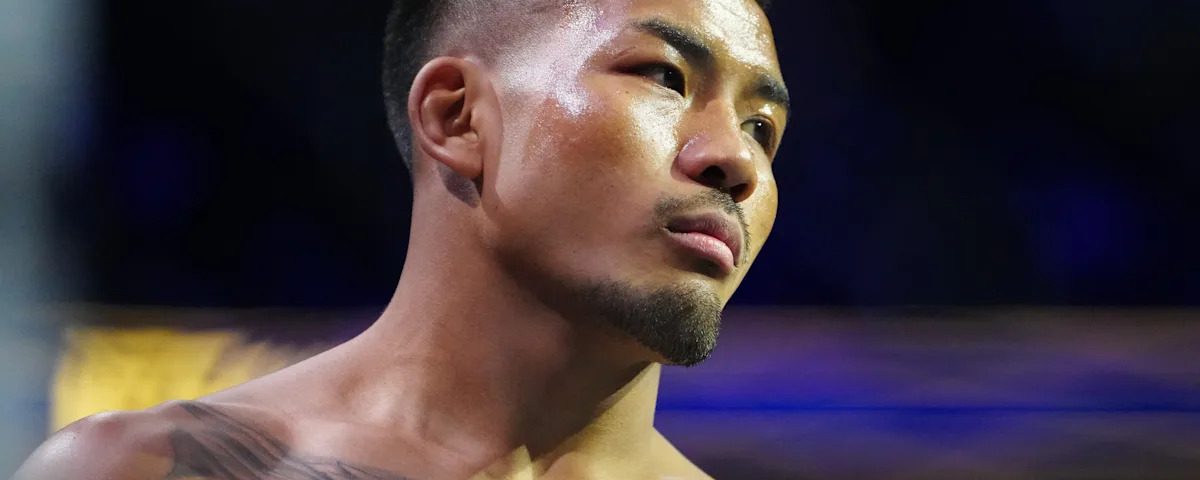
- Joshua Van's withdrawal from UFC 327 disrupts the flyweight title fight against Tatsuro Tairo.
- This was set to be Van's first title defense after winning the championship.
- Past withdrawals in combat sports have led to unexpected title outcomes.
- Historical precedents reveal that such disruptions can impact a fighter's career trajectory.
- Fans await clarity on the future of the flyweight division following this announcement.
Flyweight title fight In an unexpected turn of events, Joshua Van, the reigning flyweight champion, has reportedly pulled out of his highly anticipated title fight against Tatsuro Tairo at UFC 327, scheduled for April 2026. The bout was not only meant to be Van’s first title defense but also a pivotal moment for Tairo, who aimed to claim the championship and establish himself in the division. The cancellation leaves fans wondering about the implications for both fighters and the flyweight division as a whole.
Van’s withdrawal is particularly notable given the significance of this fight. The flyweight division has been gaining popularity in recent years, with fighters like Van and Tairo leading the charge. The UFC has seen a surge in interest surrounding lighter weight classes, often leading to thrilling fights that can end in dramatic fashion, whether by knockout or decision. As the landscape shifts, the absence of Van from this critical matchup raises questions about what comes next for him, Tairo, and the division.
To understand the potential ramifications of this situation, it’s essential to look back at similar moments in combat sports history. Fighters have faced similar challenges before, either due to injuries, weight-cutting issues, or personal reasons. In many cases, these withdrawals have led to unforeseen consequences that have shaped the fighters’ careers and the divisions they compete in.
Historical Context
The history of boxing and MMA is littered with instances where champions have had to withdraw from title defenses, leading to significant shifts in the championship landscape. One notable case is that of former heavyweight champion Deontay Wilder, who was forced to pull out of a rematch against Tyson Fury due to a shoulder injury. As history demonstrated, the delay allowed Fury to solidify his position in the heavyweight division, culminating in an eventual KO victory that shocked fans and altered the trajectory of both fighters.
Similarly, in the UFC, when former champion Amanda Nunes withdrew from a title defense against Raquel Pennington, the division saw an influx of new contenders vying for the belt. Nunes’s absence paved the way for fighters like Holly Holm and Germaine de Randamie to elevate their status in the women’s bantamweight division, leading to a reshuffled hierarchy that took years to stabilize.
In the case of Joshua Van, his withdrawal from the flyweight title fight could lead to a similar reshuffling. The UFC might have to consider a replacement for Tairo, which could open the door for other contenders who may not have had a shot otherwise. This creates an opportunity for fresh rivalries, particularly if the UFC opts for a number one contender’s bout in place of Van’s originally scheduled fight.
Moreover, a history of injuries or withdrawals can linger in a fighter’s mind, potentially affecting their future performances. Fighters might find themselves second-guessing their durability or ability to compete at the highest level. This psychological aspect is crucial, especially considering the immense pressure that comes with title fights and the expectations from fans and promoters alike.
Looking Ahead
As we await more information regarding Joshua Van’s situation and the future of the flyweight division, fans and analysts alike are left pondering the next chapter. Will the UFC choose to elevate another contender for a title shot against Tairo, or will they reschedule Van’s fight? The answer could significantly impact the dynamics of the division moving forward.
In conclusion, while Joshua Van’s withdrawal from UFC 327 is a setback for the flyweight title fight against Tatsuro Tairo, it opens the door to various outcomes that could redefine the division. History tells us that such disruptions can lead to new opportunities and unexpected results, shaping the landscape of combat sports for years to come. As fans, we are left both disappointed and intrigued by the possibilities that lie ahead in the flyweight division.
We believe this situation presents a unique opportunity for the UFC to reassess its flyweight landscape. The potential for a sudden shift in title contention could inject fresh excitement into the division, particularly if a rising star is given the chance to fight for the title in place of Van. As we have seen in the past, new contenders often rise to the occasion, leading to memorable bouts and KO victories that resonate with fans.<br />
Moreover, we are keen to observe how Van’s camp addresses this withdrawal. Should they take a break to reassess their strategy or push for a rapid return? The decisions made in the coming weeks will not only affect Van’s career trajectory but also shape the competitive environment of the flyweight division. In the world of combat sports, uncertainty often breeds opportunity, and the UFC could capitalize on this moment to showcase emerging talent.
Source: UFC 327: Flyweight champ Joshua Van reportedly pulls out from Tatsuro Tairo title fight
Sports News Plus is a news aggregator. We do not own or claim rights to any images, videos, or source content featured on this site. All images and media are the property of their respective original owners and publishers. Article content is independently written based on publicly available news sources, which are credited and linked throughout. Full disclosure →