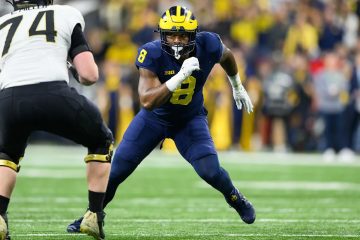
- The NFL fifth-year option allows teams to extend rookie contracts for a fourth season.
- Eligible players for the 2026 option include first-round draft picks from 2023.
- Historical precedence shows mixed outcomes for players who received the option.
- Understanding the tiers of the fifth-year option is key to predicting player futures.
- The decision on the fifth-year option can significantly impact team dynamics and player careers.
The NFL fifth-year option is a crucial aspect of the league’s contract structure, particularly for first-round draft picks. Set to take effect for the 2023 NFL Draft class, the fifth-year option allows teams to extend players’ rookie contracts by an additional year. This decision must be made by May 1, 2026, giving teams a chance to evaluate their young talent before committing to a long-term deal. With the NFL news cycle continually buzzing, understanding this option is vital for fans and analysts alike.
The Fifth-Year Option: Structure and Implications
The fifth-year option is tiered based on the player’s position, with quarterbacks typically receiving the highest salaries. For instance, in 2026, a quarterback’s fifth-year salary could approach the franchise tag amount for that position, while less prominent positions may receive a lower tier. This tiered structure reflects the varying levels of value that different positions bring to their teams.
Eligible candidates for the fifth-year option in 2026 will include all first-round draft picks from the 2023 NFL Draft. This group is significant, not just because of their draft status, but also due to the potential impact they can have on their teams. As these players develop, teams must weigh the option of extending their contracts against their performance on the field.
Historical Context: Learning from the Past
The fifth-year option is not a new concept in the NFL; its roots can be traced back to previous contract structures. Notably, the 2011 Collective Bargaining Agreement introduced the fifth-year option for first-round picks, creating a potential windfall for teams that invested heavily in young talent. Historically, several players have either thrived or floundered after being granted this option.
For example, quarterbacks such as Baker Mayfield and Josh Allen were both given the fifth-year option, but their outcomes have diverged significantly. Mayfield, once seen as a franchise savior, has struggled to find consistency, leading the Cleveland Browns to ultimately decline his option. In contrast, Allen has evolved into a Super Bowl contender, solidifying the Buffalo Bills’ decision to exercise his option.
These historical comparisons highlight the uncertainty that the fifth-year option can bring. Teams must not only evaluate past performances but also consider future potential. The decision can hinge on a combination of on-field success, injuries, and even off-field behavior.
Looking ahead, the 2026 fifth-year option will serve as a litmus test for many young players, particularly quarterbacks. With franchises heavily investing in their future signal-callers, the stakes are high. The outcome of these decisions could reshape team dynamics and influence draft strategies in upcoming years.
The fifth-year option is a double-edged sword; it can ensure a young star remains with the team for another year, but it can also lead to costly mistakes if a player fails to meet expectations. Teams will need to balance the immediate benefits of retaining talent with the long-term implications of their contracts.
The Impact of the Fifth-Year Option on Team Strategies
As the NFL evolves, so too do the strategies surrounding player contracts. The fifth-year option is a key component of this strategy, particularly for rebuilding teams or those looking to make a playoff push. Teams that successfully navigate this decision can position themselves for future success, while those that falter may find themselves in a precarious situation.
The fifth-year option is more than just a financial decision; it reflects a team’s confidence in its young talent. A franchise that chooses to exercise the option is signaling its commitment to the player and its belief in their potential to become a cornerstone of the team.
Conversely, deciding not to exercise the fifth-year option can be a red flag for players. It often indicates a lack of faith in their abilities or performance, potentially impacting their career trajectory. As such, the implications of this decision extend far beyond the immediate financial ramifications.
In conclusion, the 2026 NFL fifth-year option is a pivotal moment for many first-round picks. Teams must weigh their options carefully, considering both the financial and strategic implications of their decisions. The outcomes of these choices will reverberate through the league, affecting not only the players involved but the teams’ overall success.
As we assess the implications of the fifth-year option for 2026, it’s clear that this decision-making process will significantly shape team strategies in the coming years. It serves as an opportunity for franchises to not only secure their budding stars but also as a potential pitfall for teams that misjudge a player's future success. The historical data suggests that teams must tread carefully; while many players thrive after being granted a fifth-year option, others have fallen short of expectations, leading to costly decisions.
Source: What is the NFL fifth-year option? Tiers, list of candidates for 2026
Sports News Plus is a news aggregator. We do not own or claim rights to any images, videos, or source content featured on this site. All images and media are the property of their respective original owners and publishers. Article content is independently written based on publicly available news sources, which are credited and linked throughout. Full disclosure →