- The 2026 NFL Draft class includes standout prospects like Caleb Downs and Sonny Styles.
- Historically, rookie quarterbacks have significantly shaped their teams' Super Bowl journeys.
- The emergence of instant-impact players can revitalize franchises in need of a turnaround.
- Past NFL Drafts show that early success can lead to sustained playoff appearances.
- The trajectory of the 2026 class may redefine the future of American football in the coming years.
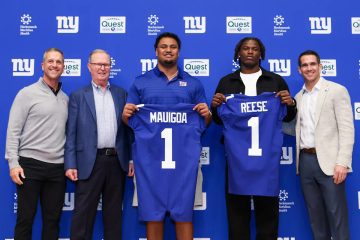
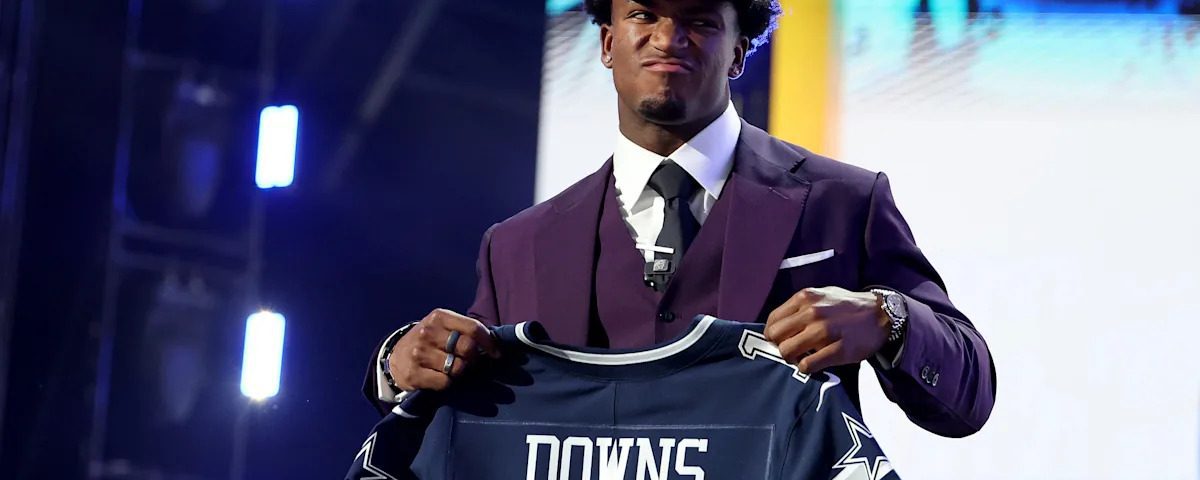
NFL Draft 2026 As the excitement for the 2026 NFL Draft builds, analysts and fans alike are turning their attention to potential game-changers who could emerge as instant-impact rookies. Notably, players like Caleb Downs and Sonny Styles are expected to make immediate contributions to their teams, altering dynamics across the league. Scheduled for late April 2026, this draft presents a unique opportunity for franchises to reshape their futures. With the stakes high, the implications of these selections extend far beyond mere roster changes; they can define teams for years to come.
However, the story does not end with the draft. Historically, the NFL has seen several rookies rise to prominence shortly after being selected, creating legacies that resonate in the annals of American football history. These young players often redefine their teams, leading them to touchdowns, playoff berths, and even Super Bowl appearances. The 2026 draft class may be on the brink of following in the footsteps of legendary players who transformed the game.
Historical Context: The Impact of Rookie Players
To understand the significance of the 2026 NFL Draft, it’s essential to examine historical precedents that highlight the powerful role of rookie players. One of the most notable examples is the 2004 NFL Draft, which featured Eli Manning and Philip Rivers. Both quarterbacks quickly made their marks on the league, with Manning ultimately leading the New York Giants to two Super Bowl victories. His performance in the playoffs was exemplary, demonstrating how a rookie quarterback can elevate a franchise.
Similarly, the 2012 NFL Draft introduced Andrew Luck and Robert Griffin III, both of whom had immediate success. Luck’s ability to lead the Indianapolis Colts back to the playoffs after a dismal previous season illustrated the impact a single player can have on a team’s fortunes. Their early success was not just about individual accolades; it set the tone for the franchises they represented and laid the groundwork for sustained success.
Looking further back, players like Jim Brown, who burst onto the scene in 1957, redefined the running back position. Brown’s explosive style and record-setting performances established a standard that future generations of running backs would aspire to achieve. Such examples confirm that when a franchise hits the jackpot with a rookie, it can catalyze a series of successes, from playoff runs to championship titles.
What Lies Ahead for the 2026 Draft Class?
As we stand on the precipice of the 2026 NFL Draft, the anticipation of which rookies will emerge as transformative figures looms large. With the league’s landscape continually evolving, the ability of these young athletes to adapt to the professional level will be crucial. Coaches and general managers are keenly aware of the need for a strong, young core to build around, especially in a league where injuries and the physical toll of the game can derail even the most promising seasons.
The potential for instant-impact rookies to alter the trajectory of their teams cannot be overstated. They have the power to reshape offensive strategies, lead defenses, and inspire teammates with their dynamic plays. For instance, if a rookie quarterback like Caleb Downs steps into a starting role and performs well, he could not only secure his position but also energize the entire franchise, potentially leading them toward Super Bowl contention.
Furthermore, the financial implications of drafting successful players cannot be ignored. With rookie contracts designed to provide teams with cost-effective talent, franchises that successfully integrate impactful players can allocate resources toward bolstering other positions. The long-term benefits of drafting effectively often extend beyond immediate seasons, setting up a foundation for years of competitiveness.
Ultimately, as the NFL Draft 2026 approaches, the historical context of rookie performances serves as a reminder of the potential these young athletes hold. Their ability to deliver in high-pressure situations could define the next era of American football, impacting not just their teams but the league as a whole. The excitement surrounding this draft class is palpable, and while we cannot predict the future, history suggests that the right picks can lead to a legacy of success.
We believe the 2026 NFL Draft holds the potential for unprecedented shifts within the league, especially if the anticipated rookies live up to their billing. The immediate impact of young talent can’t be underestimated; it can reinvigorate franchises struggling to find their footing. As we look ahead, the key will be how these young athletes adapt to the speed and complexity of the NFL, particularly when facing established veterans in their positions.<br />
Moreover, the historical successes of rookie quarterbacks show us that, with the right guidance and support, these players can lead their teams to unexpected heights. The draft is just the beginning of their journey, and if they can translate their college success into the pro level, we might witness another chapter of dominance reminiscent of legends like Manning and Luck. As we gear up for the draft, the excitement is not just for the players being selected but for the lasting impact they could have on the future of American football.
Source: Ranking 2026 NFL Draft's 15 biggest instant-impact rookies
Sports News Plus is a news aggregator. We do not own or claim rights to any images, videos, or source content featured on this site. All images and media are the property of their respective original owners and publishers. Article content is independently written based on publicly available news sources, which are credited and linked throughout. Full disclosure →