- Geno Smith's trade from the Raiders to the Jets was finalized during the 2026 NFL Draft.
- This move reshapes the quarterback landscape in the NFL.
- Historical trades often set a precedent for future quarterback movements.
- The Jets aim to capitalize on Smith's experience in hopes of a Super Bowl run.
- This trade signals a pivotal moment for both franchises as they look to redefine their identities.
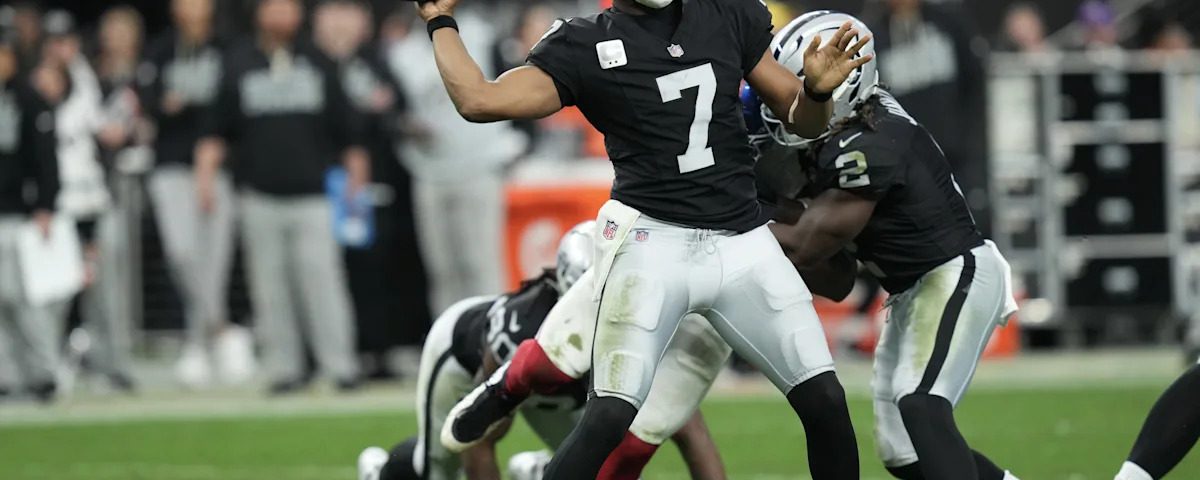
Geno Smith trade In a surprising turn of events during the 2026 NFL Draft, the Las Vegas Raiders officially finalized a trade sending quarterback Geno Smith to the New York Jets. This transaction not only alters the trajectory of both franchises but also resonates with the historical patterns of quarterback trades in the NFL. As fans and analysts alike dissect the implications of this trade, it’s essential to consider what similar past moments can tell us about the future.
Geno Smith trade: What You Need to Know
The Raiders, having struggled to find consistent quarterback play, opted to part ways with Smith, who had demonstrated flashes of brilliance during his tenure. Meanwhile, the Jets have seen their own share of quarterback woes and view Smith as a potential catalyst for change. With the quarterback position often seen as the linchpin in an NFL team’s success, this trade could very well dictate the fortunes of both teams in the coming seasons.
Historical Context
Quarterback trades in the NFL are not new, and the landscape is littered with examples that hold lessons for the present. One notable instance is the trade that sent Drew Brees from the San Diego Chargers to the New Orleans Saints in 2006. At the time, Brees was coming off injuries, and many had doubts about his ability to lead a team. Yet, he rebounded spectacularly, ultimately guiding the Saints to a Super Bowl victory in 2010.
Similarly, the trade of Brett Favre from the Green Bay Packers to the New York Jets in 2008 illustrated the complexities of quarterback transitions. Favre had a storied career, but his time with the Jets was a mixed bag, culminating in disappointment and eventual retirement. The contrast between Brees’ success and Favre’s struggles serves as a cautionary tale for both the Jets and the Raiders as they look to redefine their quarterback situations.
History also tells us that trades can rejuvenate careers and provide a jolt of energy for franchises. The Rams’ decision to trade for Matthew Stafford was instrumental in their recent Super Bowl appearance, showcasing how a change of scenery can unlock a quarterback’s potential. The Jets will hope that Smith can mirror this success, as they aim to build a competitive roster that can contend for the Super Bowl.
Impact on the NFL Landscape
Analysis & Key Takeaways
The Geno Smith trade has immediate implications in the NFL. For the Jets, this is an opportunity to stabilize a position that has been a revolving door for years. With a talented roster surrounding Smith, including playmakers who can stretch the field, the Jets are optimistic about their chances of returning to playoff contention.
On the other hand, the Raiders might need to reassess their long-term strategy. Finding a new quarterback could take time, but it also presents an opportunity to explore talent in the upcoming drafts. The move away from Smith could signal a shift in the organization’s philosophy, one that prioritizes youth and potential over experience.
As the trade reverberates through the league, the implications extend beyond just the two teams involved. Other franchises may take notice, considering how they evaluate their quarterback situations. The landscape of the NFL continues to evolve, with teams increasingly willing to pull the trigger on significant trades to bolster their chances of success.
The Future of Quarterbacks
Looking ahead, Smith’s role with the Jets will be under intense scrutiny. If he thrives, it could lead to established quarterbacks being more frequently traded as franchises look to reinvent themselves. Conversely, if Smith underperforms, it could reinforce the argument that consistency at the quarterback position is paramount for any team’s success.
The Geno Smith trade is also a stark reminder of the volatility that accompanies the quarterback position. With each season, teams must evaluate whether their current signal-caller can lead them to the promised land. Smith’s move is just one chapter in an ongoing narrative that explores the delicate balance of risk and reward in the NFL.
In conclusion, the finalized trade of Geno Smith from the Raiders to the Jets is more than just a transaction; it’s a moment steeped in historical significance. As we analyze the implications of this move, we can draw parallels with past quarterback trades that have shaped the league. What remains to be seen is how this trade will influence the fortunes of both franchises and whether Smith can deliver the touchdowns needed to propel the Jets back to Super Bowl contention.
In our view, the Geno Smith trade is a fascinating case study in the unpredictability of quarterback success in the NFL. While the Jets seem to have found a potentially great fit in Smith, we should temper our expectations. The realities of a new system and the weight of expectations can be daunting, especially in a market as unforgiving as New York.<br />
Looking ahead, this trade could prompt other teams to rethink their quarterback strategies, particularly those on the brink of roster overhauls. As franchises observe the outcomes of high-profile trades like this one, we may see an uptick in teams willing to gamble on previously undervalued quarterbacks. The NFL is ever-evolving, and this trade might be the catalyst for a new wave of quarterback movements in the league.
Source: The Raiders trade of Geno Smith is finalized during 2026 NFL Draft
Sports News Plus is a news aggregator. We do not own or claim rights to any images, videos, or source content featured on this site. All images and media are the property of their respective original owners and publishers. Article content is independently written based on publicly available news sources, which are credited and linked throughout. Full disclosure →