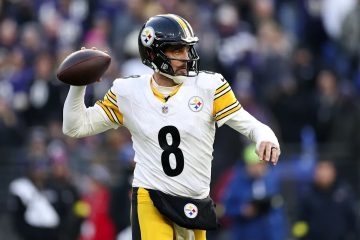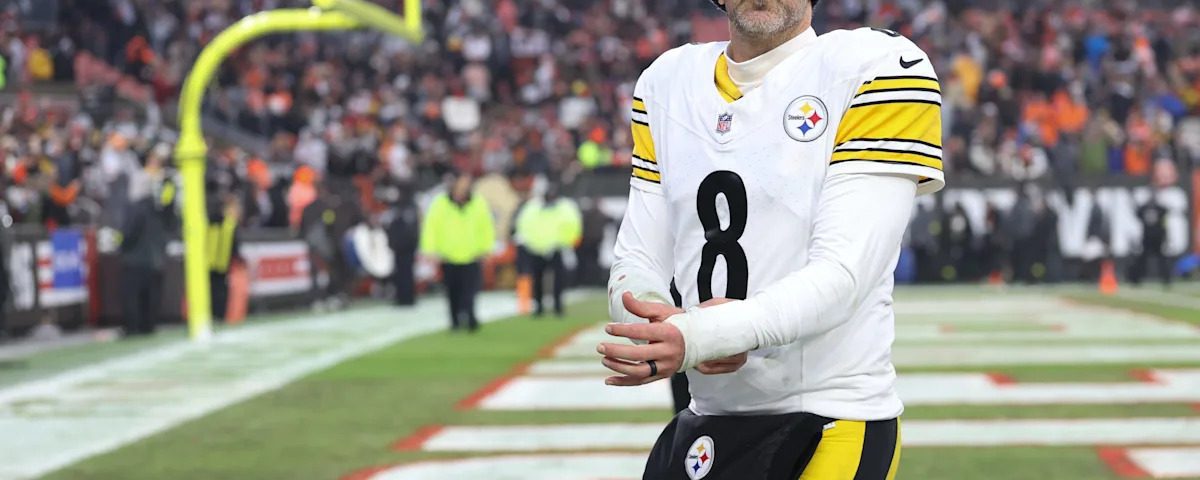
- The Steelers are waiting on Aaron Rodgers' decision about his future plans.
- His choice could significantly influence Pittsburgh's 2026 NFL Draft strategy.
- Historical precedents show how quarterback decisions impact draft trajectories.
- The uncertainty surrounding Rodgers adds tension to the NFL landscape.
- Pittsburgh may need to pivot quickly based on Rodgers’ ultimate decision.
NFL Draft strategies In a twist that has the NFL world abuzz, Aaron Rodgers has declared that he will not make a decision regarding his playing future before the 2026 NFL Draft. This announcement comes as teams across the league, particularly the Pittsburgh Steelers, are left to ponder how this uncertainty will impact their draft strategy. As one of the most iconic quarterbacks in American football history, Rodgers’ decision holds significant weight, not just for him but for teams aiming to secure their future leadership under center.
NFL Draft strategies: What You Need to Know
The Steelers, with their storied history and a passionate fanbase, find themselves in a precarious position. The franchise has long been known for its strong quarterback play, but with their current situation, they must carefully consider their options. Pittsburgh’s leadership will need to weigh whether to invest in a potential franchise quarterback in the draft or to continue building around their existing roster, which may or may not be bolstered by the addition of a veteran like Rodgers.
As the 2026 NFL Draft approaches, several questions loom large. How will Rodgers’ decision affect the Steelers’ draft board? Will they feel compelled to draft a quarterback as insurance, or will they gamble on the possibility of securing Rodgers, should he decide to play? The answers to these questions could shape the franchise for years to come.
Historical Context
Looking back through the annals of American football history, we can draw parallels between Rodgers’ current predicament and other significant quarterback decisions. One noteworthy instance occurred in 1983, when John Elway famously declared he would not play for the Baltimore Colts after being selected first overall. This led to a trade that eventually saw him land with the Denver Broncos, where he would go on to become a two-time Super Bowl champion. The impact of this decision echoed throughout the NFL, influencing how teams approached draft strategies in subsequent years.
Analysis & Key Takeaways
Similarly, the Brett Favre saga in the mid-2000s, where his indecision about retirement left teams in limbo, offers another perspective. Favre’s eventual return to the Packers and subsequent trade to the Jets and then the Vikings showcased how a franchise quarterback’s choices can alter draft patterns and team trajectories. These historical moments remind us that a quarterback’s decision can reverberate far beyond the immediate future, shaping the draft landscape and team identities in the long run.
As we navigate through this uncertain period, it is essential to consider how the NFL has evolved. Teams are now more proactive in their planning, often projecting multiple scenarios in anticipation of key player decisions. The Steelers, particularly, might have a better grasp on their strategy based on Rodgers’ status and its implications, but they are also faced with the unpredictability that comes with the territory of drafting and developing a young quarterback.
The uncertainty surrounding Rodgers not only adds an element of drama to the NFL Draft but also reflects the broader theme of transition within the league. The quarterback position has always been pivotal, often serving as the linchpin of a team’s success. As teams are forced to adapt to evolving strategies and player decisions, the landscape of the NFL continues to shift, making each draft a critical juncture for franchises.
Just as past decisions have shaped teams and altered draft plans, the Steelers’ next moves will be essential in determining their trajectory in the coming seasons. With young quarterbacks like Kenny Pickett already in the mix, Pittsburgh must balance the potential benefits of bringing in a veteran presence against the risk of stunting the growth of their current roster.
In conclusion, as fans and analysts alike await Rodgers’ final decision, the ripple effects will undoubtedly be felt across the NFL. The Steelers, who are no strangers to high-stakes decisions, will need to remain vigilant and adaptable, ready to pivot depending on how this unfolding story plays out.
As we reflect on the implications surrounding Aaron Rodgers' decision, it's clear that the landscape of the NFL is ever-evolving. While the Steelers may be waiting on a decision that could reshape their future, they must also recognize the broader context of quarterback careers in the league. In our view, the uncertainty surrounding Rodgers serves as a reminder of the delicate balance teams must strike between immediate needs and long-term vision.<br />
Furthermore, we believe that this situation underscores the importance of having a robust scouting and development program. The NFL Draft is not just about finding the best talent available; it's also about anticipating the shifting dynamics that can arise from key player decisions. The Steelers could be at a crossroads, with the potential to solidify their future for years to come. However, they must act decisively to ensure they don't miss an opportunity that could propel them back into Super Bowl contention.
Source: Aaron Rodgers won't make decision before 2026 NFL Draft: How it impact Steelers
Sports News Plus is a news aggregator. We do not own or claim rights to any images, videos, or source content featured on this site. All images and media are the property of their respective original owners and publishers. Article content is independently written based on publicly available news sources, which are credited and linked throughout. Full disclosure →