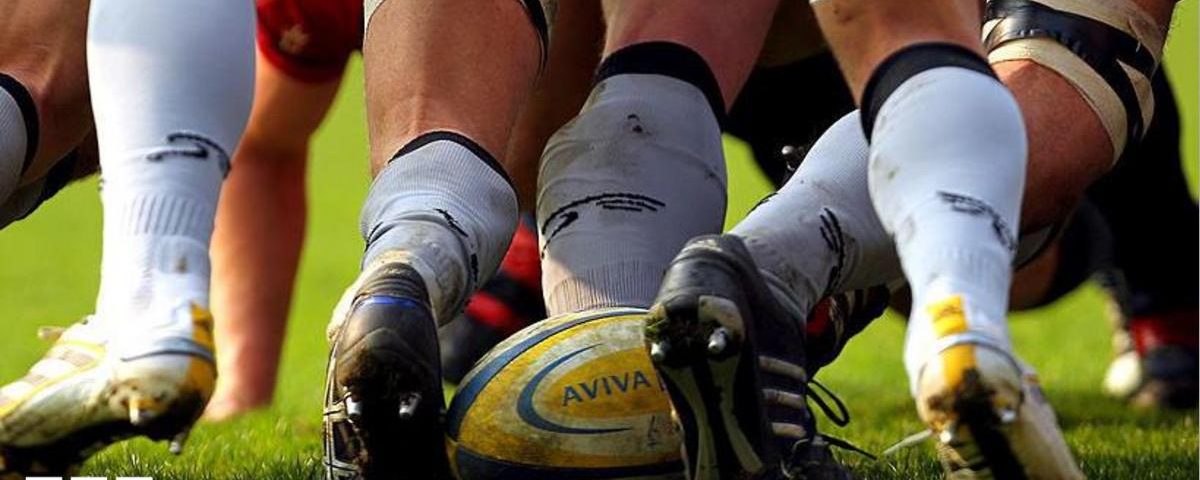
- The High Court's decision on rugby brain injury cases may redefine player safety standards.
- Absence of medical documents could lead to the dismissal of hundreds of claims.
- This legal battle underscores the evolving narrative around player welfare in rugby.
- Key governing bodies are urged to adopt more stringent health protocols.
- Future tournaments like the Six Nations may face scrutiny regarding player health measures.
Brain injury cases On July 22, 2026, the High Court was presented with a controversial argument from legal representatives of rugby’s governing bodies, suggesting that the absence of crucial medical documents could lead to the dismissal of hundreds of brain injury cases. This legal discourse not only highlights the complexities surrounding player health and welfare but also signals a potentially significant shift in the landscape of rugby, particularly in prestigious tournaments like the Six Nations and Super Rugby.
The implications of these brain injury cases extend far beyond the courtroom. As the sport grapples with the long-term effects of concussions and head trauma, governing bodies are under increasing pressure to implement rigorous health protocols. The outcome of this legal challenge could redefine how rugby manages player safety, influencing everything from training regimens to match-day protocols.
The cases brought forth are emblematic of a larger narrative facing contact sports worldwide, where the health of athletes is coming under unprecedented scrutiny. Rugby has long prided itself on its physicality and toughness, but as awareness regarding brain injuries grows, so too does the need for accountability. The stance taken by rugby’s governing bodies in court reflects a broader concern about liability and the cost of player injuries, which can have lasting effects on athletes’ lives post-retirement.
In the context of the Six Nations and Super Rugby, the strategic implications of this ongoing legal battle cannot be overstated. Player safety is not just a moral imperative but a tactical necessity in these highly competitive environments. Teams depend on their full rosters to execute game plans effectively, and injuries can create tactical gaps that rival teams are quick to exploit.
Understanding the Tactical Impact
The potential dismissal of brain injury cases could lead to complacency in addressing player welfare, ultimately creating vulnerabilities on the field. For instance, a team missing a key player due to concussion could struggle to maintain its formation, severely affecting its ability to execute set plays. In high-stakes matches like those in the Six Nations, where each try counts, losing a critical player due to head trauma can shift the balance of power dramatically.
Furthermore, the competition in leagues like Super Rugby is fierce, with teams often relying on their star players for critical moments, such as kicking penalties or breaking the defensive line for a try. If governing bodies do not enhance their focus on player health, teams may find themselves at a tactical disadvantage, forced to adapt to sudden changes in personnel due to injury. The ripple effect can alter not just game outcomes but also the overall competitive integrity of the tournament.
We must also consider the broader implications on recruitment and player development in rugby. As awareness of brain injuries grows, aspiring players may reconsider their pursuit of a career in a sport perceived as dangerous. This shift could impact grassroots programs, leading to a decline in talent entering professional leagues. Teams that prioritize player welfare and transparency will likely attract more talent, setting a new standard in the sport.
As we approach future seasons, the outcomes of these brain injury cases will loom large in conversations around rugby. The potential for policy changes could redefine how leagues operate, reinforcing the necessity for comprehensive health protocols. The future of rugby may hinge upon balancing the physicality of the game with the safety of its players, ensuring that the spirit of competition does not come at the cost of athlete welfare.
The Road Ahead for Rugby
Going forward, the legal landscape will likely prompt rugby’s governing bodies to reevaluate their practices regarding player health and safety. With the Six Nations and Super Rugby at the forefront, fans and stakeholders alike will be watching closely to see how these developments unfold. The outcomes of these cases may not only lead to changes in policies but could also inspire a cultural shift within the sport, emphasizing the importance of player safety as a cornerstone of rugby’s future.
The ramifications are profound: as legal precedents are set, they could transform the way authorities manage player health, potentially leading to more comprehensive testing and monitoring protocols. These changes could build a framework that protects players while maintaining the integrity and excitement of the game. In a sport where every try and penalty can decide a match, prioritizing health is not just a legal obligation but a strategic imperative.
Our view is that the ongoing legal battles surrounding brain injury cases in rugby present a critical moment for the sport. As the High Court deliberates, we must consider the long-term implications of this legal discourse not only for current players but also for the game's future. Failing to address these issues adequately could lead to a decline in participation and interest in rugby, particularly at the youth level, where the next generation of athletes is formed.<br />
Moreover, the perception of rugby as a dangerous sport could deter parents from allowing their children to participate, thus affecting the talent pool in the long run. As we navigate this complex landscape, it is crucial for rugby's governing bodies to lead with transparency and a commitment to player welfare. The challenge will be to balance the sport's physicality with the safety of its participants, ensuring that rugby remains a thrilling and viable sport for generations to come.
Source: Brain injury cases should be thrown out, High Court told
Sports News Plus is a news aggregator. We do not own or claim rights to any images, videos, or source content featured on this site. All images and media are the property of their respective original owners and publishers. Article content is independently written based on publicly available news sources, which are credited and linked throughout. Full disclosure →