- The upcoming Rousey vs. Carano fight has sparked significant interest among MMA fans.
- The promotional challenges stem from the absence of UFC footage from these prominent fighters' careers.
- Historical context reveals similar situations in MMA where promotional restrictions affected fight marketing.
- The fight will take place under the MVP promotion banner, featuring several UFC veterans.
- Looking ahead, this event could redefine promotional strategies in MMA if successful.
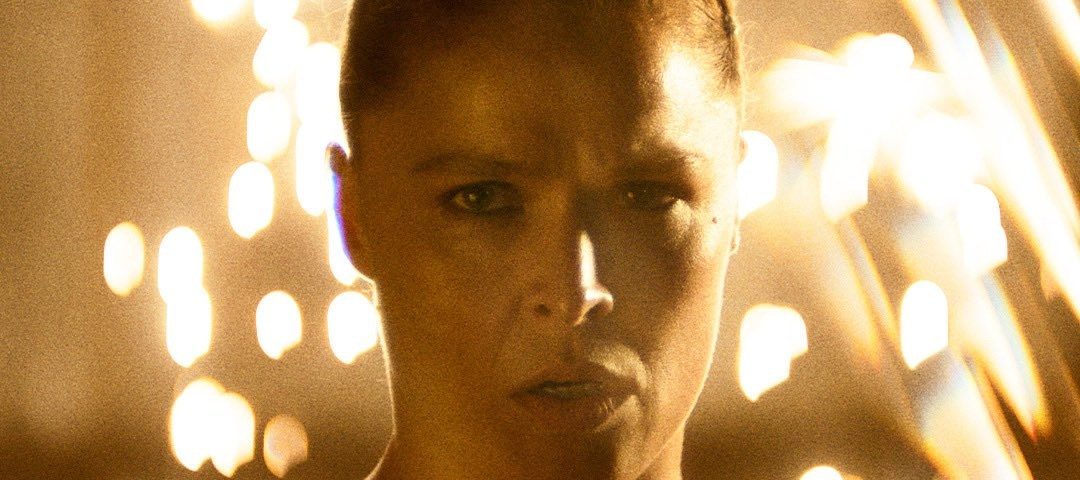
Rousey vs. Carano On April 30, 2026, the world of mixed martial arts (MMA) is poised for a significant showdown as Ronda Rousey faces Gina Carano in a highly anticipated fight. This event, promoted by MVP, has garnered attention not only for the fighters involved but also for the unique challenges it presents. Despite being two of the most iconic figures in the sport, the promotional materials lack any footage from their storied UFC careers, leaving fans with a mix of studio sparring and shaky cam shots.
The fight will take place in a venue that has yet to be officially announced, but it is expected to draw a significant audience due to the star power of Rousey and Carano. Both fighters have left an indelible mark on the UFC, with Rousey being a pioneer of women’s MMA and Carano being one of the first female stars in the sport. Their clash represents more than just a fight; it signifies a moment in history where two legends from different eras come together for a common goal.
However, as fans watch the promotional trailer, they will notice a glaring absence of the iconic footage that typically accompanies such high-profile bouts. The lack of access to UFC footage not only compromises the quality of the marketing material but also raises questions about how MVP will successfully promote this fight. Historical precedents indicate that promotional limitations can significantly impact the buildup to a match, often resulting in a less engaging experience for fans.
Historical Context: MMA’s Promotional Challenges
This situation is not unprecedented in the world of MMA. In the past, we have seen fighters transition between promotions, leading to challenges in how their legacies are presented. One notable example is the transition of several fighters from Pride Fighting Championships to the UFC in the early 2000s. The UFC faced significant hurdles in promoting these athletes due to the lack of available footage from their previous fights, which often resulted in less public interest.
Another example is the case of Fedor Emelianenko, who, despite being one of the greatest heavyweights in MMA history, struggled to gain the same level of recognition in the United States during his time with Affliction and Strikeforce. The promotional challenges led to an underwhelming build-up for some of his major fights, resulting in lower-than-expected pay-per-view buy rates.
These historical narratives provide insight into the potential outcomes of the Rousey vs. Carano fight. If MVP can create a compelling narrative that emphasizes the significance of this matchup, it could overcome the limitations imposed by the absence of UFC footage. However, history suggests that such promotional challenges can lead to an uphill battle in attracting fans and generating buzz.
What Lies Ahead for Rousey vs. Carano
Looking ahead, the Rousey vs. Carano fight could set a precedent for how future MMA events are marketed, particularly when it comes to promotions lacking access to historical footage. If the fight turns out to be a spectacular event, featuring thrilling knockouts or surprising submissions, it may compel other promotions to rethink how they construct narratives around their fighters.
The potential impact of this fight extends beyond just the immediate spectacle. A successful event may encourage promotions to develop innovative marketing strategies that prioritize storytelling over traditional footage. This could lead to a new era in MMA where the focus shifts from what has been done to what is possible.
Moreover, this matchup could also redefine how fans perceive the legacies of Rousey and Carano. With both fighters having a storied history in the UFC, their performance in this fight could either solidify their status as legends or challenge the perceptions built over their careers.
In conclusion, the Rousey vs. Carano fight represents a unique moment in MMA history, one that is fraught with promotional challenges but also ripe with potential. As fans eagerly await the bout, it remains to be seen whether MVP can successfully navigate these obstacles and deliver an unforgettable experience.
As we analyze the implications of the Rousey vs. Carano fight, we find ourselves reflecting on the broader landscape of MMA marketing. The absence of UFC footage has certainly created a unique challenge, but it may also serve as an opportunity for innovation. We believe that if MVP can harness the charisma and stories of both fighters effectively, they can foster a sense of anticipation that transcends the traditional reliance on historical footage.<br />
Moreover, this event could inspire future promotions to seek alternative methods for engaging fans, such as utilizing social media, behind-the-scenes content, or fan-driven narratives that emphasize personal stories over fight clips. If the fight delivers on its promise, it could prove that compelling storytelling can captivate audiences just as much as action-packed highlights.<br />
In essence, while the lack of UFC footage poses challenges for MVP, it also opens the door to a new era of MMA promotion. If successful, Rousey vs. Carano could become a case study in how to adapt and thrive in the evolving landscape of mixed martial arts.
Source: You’ll notice a glaring omission in this official trailer for ‘Rousey vs. Carano’ on Netflix (Video)
Sports News Plus is a news aggregator. We do not own or claim rights to any images, videos, or source content featured on this site. All images and media are the property of their respective original owners and publishers. Article content is independently written based on publicly available news sources, which are credited and linked throughout. Full disclosure →