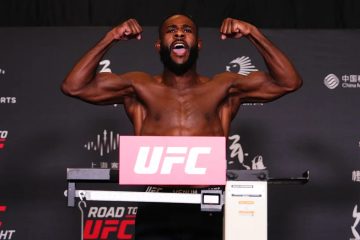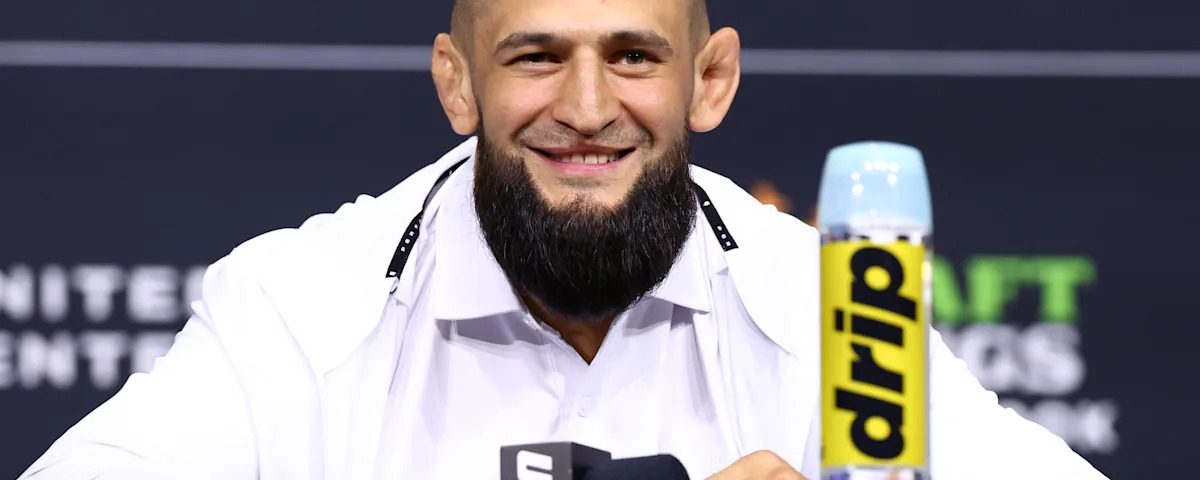
- Khamzat Chimaev firmly defends the UFC's role in shaping MMA careers.
- Ronda Rousey’s Netflix fight raises questions about her legacy and influence.
- Historical parallels emerge between Rousey and other fighters' critiques of the UFC.
- Chimaev’s remarks underline ongoing tensions within the MMA community.
- The future of MMA narratives may evolve as fighters seek autonomy post-UFC.
Khamzat Chimaev has recently taken to social media to voice his displeasure with Ronda Rousey following her criticisms of the UFC. The exchange comes in light of Rousey’s upcoming matchup against Gina Carano, which will be featured on Netflix. This commentary, made on April 24, 2026, not only highlights Rousey’s complex relationship with the UFC but also positions Chimaev as a vocal advocate for the organization that has propelled many fighters’ careers, including Rousey’s own.
Khamzat Chimaev: What You Need to Know
Chimaev’s assertion that “there never would have been Ronda Rousey without the UFC” serves as a potent reminder of the symbiotic relationship between fighters and the promotion. Rousey’s groundbreaking career was undeniably intertwined with the rise of the UFC, as she was one of the first female fighters to gain mainstream recognition through the organization. While her achievements paved the way for women in MMA, Chimaev’s remarks suggest a need for humility regarding the fighters’ reliance on the promotion for their success.
Historical Context
This isn’t the first time we’ve seen fighters criticize the UFC while also benefiting from its platform. The tension between fighters and the organization has a storied history, often marked by notable personalities speaking out against the promotion’s practices. For instance, in the early days of the UFC, fighters like Randy Couture expressed dissatisfaction with pay structures and treatment, leading to a series of disputes that ultimately affected their careers. Couture’s eventual return to the UFC after a hiatus showcased how fighters often find it challenging to sever ties with the promotion, regardless of their grievances.
Analysis & Key Takeaways
Similarly, the friction between fighters and UFC management has persisted over the years. Not only did fighters like Jon Jones and Conor McGregor air grievances about fighter pay and promotional treatment, but their complaints also highlighted a broader conversation about athlete autonomy and brand control. The outcome of these events often mirrored Chimaev’s current stance—while criticisms may resonate with fans and highlight genuine concerns, they seldom lead to significant changes within the UFC’s operational model.
So, has this happened before? Yes, and history indicates that these tensions often lead to further entrenchment within the UFC system rather than significant reforms. Fighters may voice their opinions, but the allure of the UFC remains strong, often drawing them back into its fold, just as we have seen with past legends.
Chimaev’s remarks underscore a crucial point about the fight game: the narrative of autonomy versus promotion often becomes a cyclical discussion. As UFC continues to dominate the landscape, the question arises—what does this mean for fighters looking to carve out their narratives outside the octagon? As we look to the future, it is clear that the MMA ecosystem will evolve, but the influence of the UFC will likely remain a constant factor in shaping fighter careers.
Chimaev’s defense of the UFC may resonate with many fighters who recognize the promotion as a launchpad for their careers. However, it also raises questions about the long-term implications of such loyalty. As more fighters seek to explore opportunities beyond the UFC, including alternative promotions or even crossover events in other combat sports, the cycle may soon shift. The legacy of Ronda Rousey, coupled with the experiences of fighters like Chimaev, will undoubtedly influence how future generations approach their careers in MMA.
With the backdrop of Rousey’s upcoming fight, one can’t help but wonder how her legacy and criticisms will shape the future narratives of MMA. As we observe how this ongoing saga unfolds, it is essential to consider the broader implications for fighters aspiring to establish their brands within or outside the UFC framework.
From our perspective at the SNP editorial desk, Chimaev’s comments serve as a reflection of a growing divide within the MMA community. While the UFC has undoubtedly paved the way for many fighters, it has also been a controversial figure in discussions about athlete rights and compensation. We believe that the narrative surrounding Rousey and Chimaev highlights an essential turning point: fighters may be beginning to recognize the need for greater autonomy and control over their careers.<br />
As we move forward, it is likely that we will witness more fighters openly challenging the status quo. The success of alternative promotions and the rise of independent fighter brands signal a shift in how athletes view their careers. This could lead to a re-evaluation of what it means to be a fighter in the UFC and beyond. In a rapidly evolving sport, we anticipate that the dialogue initiated by Rousey and Chimaev will resonate with many, potentially inspiring a new wave of fighters to advocate for their rights and explore opportunities outside the traditional UFC framework.
Sports News Plus is a news aggregator. We do not own or claim rights to any images, videos, or source content featured on this site. All images and media are the property of their respective original owners and publishers. Article content is independently written based on publicly available news sources, which are credited and linked throughout. Full disclosure →