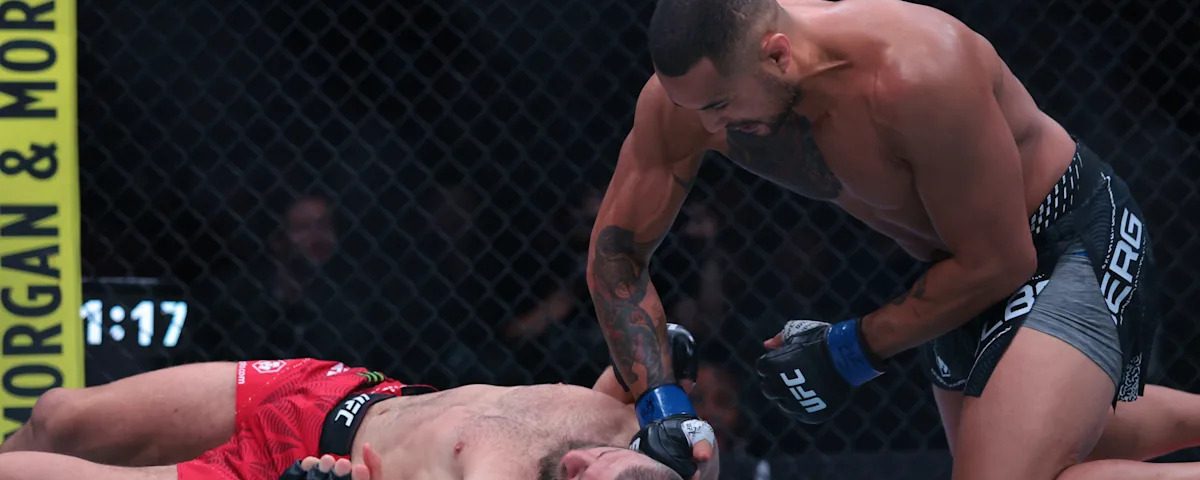
- Jiri Prochazka was devastated by his loss at UFC 327, calling for a rematch.
- This outcome reflects a pattern in MMA where fighters seek to avenge losses.
- Historical precedents show that rematches can lead to redemption or further defeat.
- The submission and knockout culture in MMA accentuates the emotional stakes of these fights.
- Prochazka's desire for redemption could reignite interest in his fighting career.
UFC 327 loss On April 12, 2026, at UFC 327, Jiri Prochazka faced a crushing defeat against Carlos Ulberg that left him yearning for a rematch to amend what he considered a fumbled opportunity. The event unfolded in Las Vegas, where Prochazka’s hopes of a victory were dashed, leading to a public declaration of his desire to “run it back.” This loss not only impacts Prochazka’s career trajectory but also ignites conversations about the psychological and competitive dimensions of rematches in the UFC.
UFC 327 loss: What You Need to Know
Prochazka’s situation is not unique in the realm of mixed martial arts. Fighters often find themselves in the position of seeking redemption after a loss, particularly in high-stakes scenarios like UFC events. The emotional weight of a defeat can be heavy, and as Prochazka indicated, the desire to correct a mistake can become a powerful motivator. His plea for a rematch with Ulberg underscores the fierce competitiveness that defines the sport, where fighters are not only battling their opponents but also their own disappointments.
To understand the significance of Prochazka’s situation, we can look back at similar instances in MMA history. One notable example is the rematch between Conor McGregor and Nate Diaz at UFC 202. After losing to Diaz in a stunning upset at UFC 196, McGregor sought to avenge his loss and did so in a closely contested bout that not only restored his reputation but also solidified his status as a top-tier fighter. This rematch, much like Prochazka’s anticipated one, was fueled by a mix of ego, redemption, and the competitive spirit intrinsic to MMA.
Another illuminating historical parallel is the second encounter between Amanda Nunes and Valentina Shevchenko, who faced off at UFC 215. After their first fight, which ended in a controversial decision favoring Nunes, Shevchenko sought to right what she felt was an injustice. Their rematch demonstrated both fighters’ evolution and determination, ultimately leading to Nunes retaining her title but with Shevchenko gaining invaluable experience and respect. This pattern reinforces the idea that losses can serve as catalysts for growth, leading to more compelling narratives in subsequent bouts.
Analysis & Key Takeaways
The outcomes of these rematches highlight an essential aspect of the UFC: the culture of knockouts and submissions. When fighters experience a loss, especially through a knockout, it can haunt them, pushing them to confront their vulnerabilities head-on. For Prochazka, the urgency to rectify the fight result at UFC 327 stems from this very culture—a landscape where redemption is always one fight away, but so too is the risk of further disappointment.
The psychological aspect of seeking a rematch cannot be overstated. For fighters like Prochazka, every loss is not just a blot on their record; it is a personal battle that requires resolution. The mental turmoil that accompanies a defeat is often as challenging to navigate as the physical toll of training and competing. Fighters must grapple with self-doubt and the fear of failing again, making the call for a rematch both a professional necessity and a personal quest.
Looking ahead, Prochazka’s pursuit of a rematch with Ulberg could yield significant implications for his career and the UFC landscape. A successful redemption could not only reinvigorate his standing in the light heavyweight division but also set the stage for future title contention. Conversely, another loss might cast a long shadow over his prospects, forcing him to reassess his fighting approach and strategies.
Ultimately, Prochazka’s situation serves as a reminder of the cyclical nature of triumph and defeat in MMA. Each fight is a chapter in a larger story, filled with lessons learned and battles fought. As he prepares for the next chapter, the echoes of history resonate, reminding us that every fighter has the opportunity for redemption, but the path is fraught with challenges.
In conclusion, Jiri Prochazka’s call for a rematch after his UFC 327 loss places him in a long line of fighters who have faced similar crossroads. By looking to the past, we see that redemption is not only possible but often leads to unforgettable moments in the sport. For Prochazka, this moment could define his legacy, should he seize the opportunity to turn disappointment into triumph.
As the SNP editorial desk, we believe that Prochazka's situation is a telling illustration of the psychological battles that fighters endure post-defeat. While history shows that rematches can provide a canvas for redemption, it is crucial to consider how the fighter evolves between matches. The stakes are high, making the outcome of a rematch pivotal not just for individual careers but for the dynamics of the entire division.<br />
Looking ahead, we see a trend where fighters are more strategically choosing their rematches based on learning experiences from their previous bouts. This could very well influence how future matchups are scheduled in the UFC, as fighters like Prochazka strive to reclaim their narratives in the octagon. The UFC landscape is ever-shifting, and as fighters rise and fall, the stories behind each fight take on a life of their own, captivating audiences and adding depth to the sport.
Source: Jiri Prochazka reacts to UFC 327 loss, calls for Carlos Ulberg rematch
Sports News Plus is a news aggregator. We do not own or claim rights to any images, videos, or source content featured on this site. All images and media are the property of their respective original owners and publishers. Article content is independently written based on publicly available news sources, which are credited and linked throughout. Full disclosure →