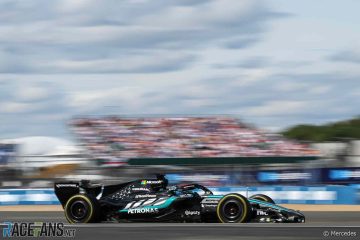
- Lewis Hamilton currently leads the 2026 Formula 1 championship by 49 points.
- His strong performance follows a challenging 2025 season without a podium finish.
- Martin Brundle attributes Hamilton's success to newfound trust with Ferrari.
- Historical parallels exist with other drivers who thrived after difficult transitions.
- Hamilton's resurgence could signal a new competitive era in Formula 1.
Formula 1 comeback In the world of Formula 1, few names resonate as powerfully as Lewis Hamilton, and his remarkable comeback in the 2026 season has left fans and critics alike in awe. After a tumultuous 2025 campaign that saw him struggling to find his footing with Ferrari, Hamilton has returned to form in a spectacular fashion. Currently, he sits 49 points clear in the championship standings, showcasing not just his driving prowess but also the importance of team dynamics in Formula 1.
The backdrop of Hamilton’s resurgence is particularly compelling, considering the high expectations placed on him when he joined Ferrari in 2024. The iconic team, known for its rich history and passionate fanbase, has often been a double-edged sword for newcomers. Hamilton’s early days at Ferrari were marked by growing pains, as he grappled with the intricacies of a new car and a new team culture. His 2025 season, devoid of podium finishes, sparked widespread speculation about his future and ability to adapt to Ferrari’s unique challenges.
Fast forward to the present, and it is evident that Hamilton has turned a corner. The synergy between driver and team is palpable, indicating that trust has been established—an essential factor for success in Formula 1. Former Formula 1 driver and Sky Sports analyst Martin Brundle has highlighted this renewed confidence as a key ingredient in Hamilton’s success. It is not merely about raw talent; it is about how that talent is harnessed within the context of a team.
Historical Context: A Look Back at Comebacks in Formula 1
To fully appreciate Hamilton’s current form, we must consider the historical context of similar situations in Formula 1. The sport is replete with stories of drivers who faced adversity and emerged stronger, often leading to championship victories. One notable example is Fernando Alonso’s tenure with Ferrari from 2010 to 2014. After falling short in the championship battle in 2010 and 2012, Alonso’s relationship with Ferrari deepened, ultimately resulting in a competitive edge that kept him in contention until his departure.
Another example is Michael Schumacher’s return to the sport with Mercedes in 2010 after a three-year hiatus. Initially, Schumacher struggled to replicate his previous success, but his gradual adaptation to the evolving dynamics of F1 eventually saw him secure multiple podium finishes before retirement. Such examples serve as a reminder that, while an initial struggle can signal the end for some, it can also mark the beginning of a new chapter for others.
With Hamilton now leading the championship standings, the question arises: what does history tell us about what comes next? In the past, a driver who finds confidence and performance mid-season often carries that momentum into the latter half of the championship. The psychological boost from consistent race results and an established rapport with the team can lead to even greater successes.
The Road Ahead: What This Means for the Championship
As we look ahead to the remainder of the 2026 Formula 1 season, Hamilton’s form will undoubtedly impact the championship landscape. With several races yet to run, the question of whether he can maintain this momentum becomes paramount. The trust he has built with Ferrari, combined with his extensive experience, positions him as a formidable contender.
Moreover, Hamilton’s resurgence may signal a shift in the competitive dynamics within the sport. If Ferrari can successfully support him and cultivate his talents, it could lead to a new era of dominance for the historic team. The potential implications for rival teams are significant; they will need to strategize and adapt to counter Hamilton’s newfound confidence and performance.
In conclusion, Lewis Hamilton’s journey in 2026 serves as a testament to resilience and the power of trust in Formula 1. His ability to bounce back from disappointment and redefine his role within Ferrari not only enhances his legacy but also sets the stage for an exciting championship battle ahead.
As we reflect on Hamilton's remarkable comeback, we can't help but feel that this season is shaping up to be one of the most captivating in recent Formula 1 history. The interplay between driver and team dynamics is often overlooked in discussions about racing prowess, yet it is clear that Hamilton's success is deeply rooted in the trust he has cultivated with Ferrari. This symbiotic relationship might not just define his season but could potentially shape the future trajectory of the team itself.<br />
Looking forward, we believe that the lessons learned from Hamilton's resurgence will resonate beyond the current season. If he continues to build on this foundation of trust and performance, we can expect a reshaping of competitive narratives within Formula 1, prompting teams to reevaluate their approaches. The next few races will be crucial, not only for Hamilton but for the entire sport, as it appears we are witnessing the dawn of a new and thrilling chapter in Formula 1.
Source: Martin Brundle explains why Lewis Hamilton is finally thriving at Ferrari
Sports News Plus is a news aggregator. We do not own or claim rights to any images, videos, or source content featured on this site. All images and media are the property of their respective original owners and publishers. Article content is independently written based on publicly available news sources, which are credited and linked throughout. Full disclosure →