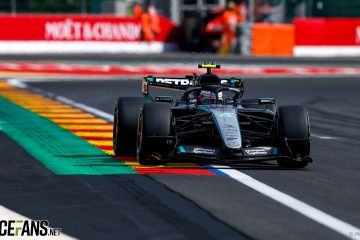
- Charles Leclerc's qualifying performance was severely impacted by an erroneous yellow flag during the Belgian Grand Prix.
- The miscommunication regarding the yellow flag has sparked significant debate among fans and analysts alike.
- Leclerc's lost position could be critical for his championship aspirations.
- Social media is abuzz with reactions, reflecting frustration and disappointment among Ferrari supporters.
- This incident underscores the need for improved communication in Formula 1 to uphold the integrity of race results.
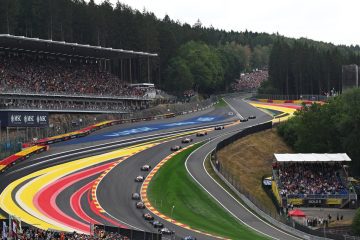
In a dramatic turn of events during the Belgian Grand Prix qualifying session held on July 18, 2026, Charles Leclerc, the Ferrari Formula 1 driver, found himself on the wrong end of an unfortunate yellow flag incident. As the clock ticked down on qualifying at the iconic Spa-Francorchamps circuit, Leclerc was in contention for a strong grid position, clocking a time that had him ahead by 0.070 seconds. However, just as he approached the critical Bus Stop chicane, a yellow flag was displayed, cutting his run short and ultimately costing him valuable grid placement for the race.
This yellow flag was the result of an error, showing up on the pitlane while the parc ferme was being set up, raising questions about the communication protocols within the sport. A yellow flag typically signifies caution and can drastically alter a driver’s approach, making the incident all the more frustrating for Leclerc, who was in the midst of a crucial qualifying session. With his championship goals on the line, the lost position could prove significant as the season progresses.
The implications of this incident reverberate deeper than just Leclerc’s immediate performance. The 2026 Formula 1 season has been a rollercoaster ride for Ferrari, and moments like this can define a team’s trajectory. As enthusiasts and analysts dissect the event, the overarching narrative remains: how such miscommunications can affect not just a single race, but potentially the entire championship outcome.
Fan Reaction: A Polarizing Incident
In the wake of Leclerc’s yellow flag debacle, social media has erupted with a variety of opinions, many of which reflect the palpable frustration of Ferrari supporters. Fans took to platforms like Twitter and Reddit, voicing their anger and disbelief over an incident that many deem avoidable. Some argue that this is indicative of larger systemic issues within Formula 1, particularly concerning race management and timely communication.
The sentiment among fans is notably divided. While many express sympathy for Leclerc, others are calling for accountability from race officials and the FIA. The debate has sparked discussions about whether the race director’s decisions should be scrutinized more closely, especially as they hold significant sway over race results. Furthermore, some fans are questioning Ferrari’s overall performance this season, wondering if these incidents signal deeper issues within the team’s strategy and execution.
The incident not only impacts Leclerc’s immediate championship aspirations but also fuels concerns about Ferrari’s competitiveness in the long run. As the battle for the title intensifies, such missteps could be detrimental, leaving fans to ponder whether the Scuderia can overcome these hurdles and reclaim their former glory.
Broader Implications for Formula 1
Leclerc’s misfortune is not an isolated case; it underscores a broader conversation about the integrity of qualifying sessions in Formula 1. With the popularity of the sport surging globally, fans expect the highest standards from race officials, and errors like this can undermine trust in the system. The incident raises critical questions about how information is relayed to drivers and teams, and whether there should be a more robust protocol in place to prevent such occurrences.
Additionally, the impact on Leclerc’s championship pursuit cannot be understated. As drivers compete fiercely for every point available, misplaced flags or miscommunications can change the entire dynamic of the season. The stakes are incredibly high, and with every race, the pressure mounts for teams like Ferrari to perform flawlessly. Moving forward, it is essential for Formula 1 to learn from this incident, ensuring that communication and race management protocols are refined to uphold the sport’s integrity.
Ultimately, the Belgian GP qualifying episode serves as a reminder that Formula 1 is as much about precision and timing as it is about speed. As the season unfolds, fans will undoubtedly be keeping a close eye on how both Leclerc and Ferrari respond to this setback, as well as the measures taken to prevent similar situations in the future.
In our view, this yellow flag incident illustrates a crucial moment for both Leclerc and Ferrari, but it also presents an opportunity for the FIA to reassess its communication strategies. As fans, we want to see a system that operates with clarity and fairness, ensuring that drivers compete on a level playing field. While mistakes happen in any sport, the frequency of communication errors in Formula 1 raises concerns about how these lapses can impact championship battles, especially during high-stakes qualifying sessions.<br />
Looking ahead, we believe that this incident could spark a movement towards more stringent oversight of race communications, potentially leading to reforms that enhance reliability in race management. This is an essential step, not just for maintaining the sport's integrity, but also for restoring fan trust. The 2026 season is shaping up to be a thrilling yet tumultuous ride, and how stakeholders respond to such controversies will be pivotal in determining the future landscape of Formula 1.
Source: Explained: The yellow flag error that caught Leclerc out in Belgian GP qualifying
Sports News Plus is a news aggregator. We do not own or claim rights to any images, videos, or source content featured on this site. All images and media are the property of their respective original owners and publishers. Article content is independently written based on publicly available news sources, which are credited and linked throughout. Full disclosure →